 End of School Year Elementary Math Review for Kids
#Elementary Math
9 ideas
End of School Year Elementary Math Review for Kids
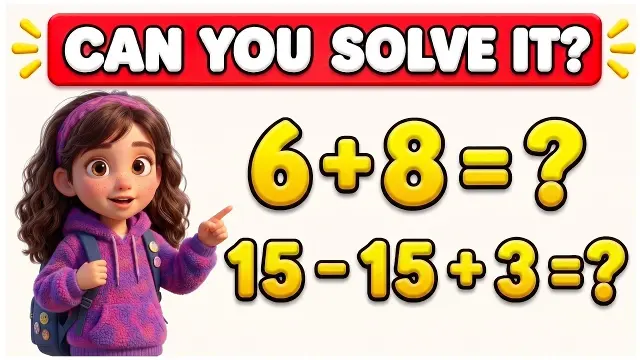 Easy to Hard Math Quiz with Addition and Subtraction
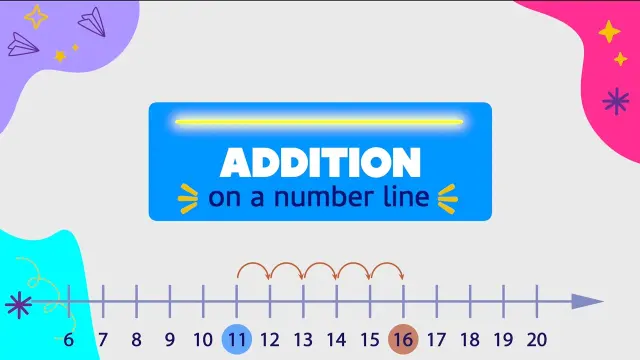 Learn Addition Using a Number Line for Kids
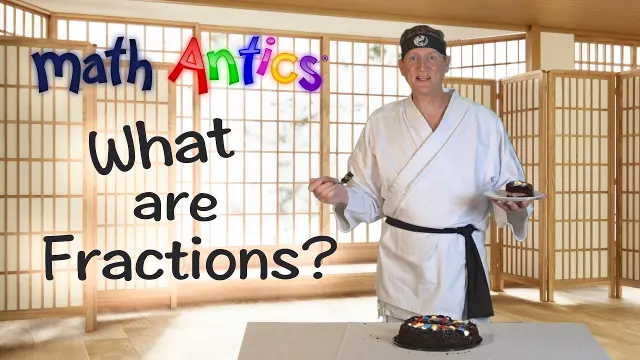 Introduction To Fractions And Key Concepts
 Fourth Grade Math Tutorial On Continuing Number Patterns
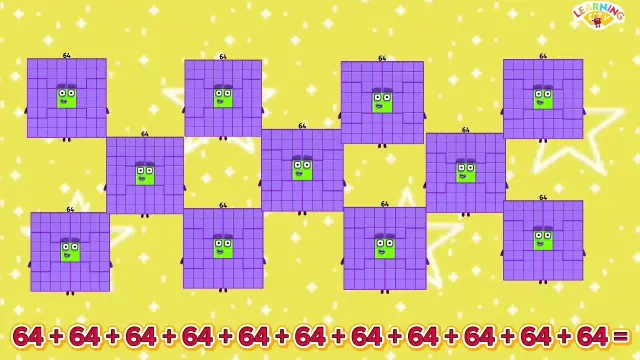 Numberblocks Adding Multiple Big Numbers and Totals
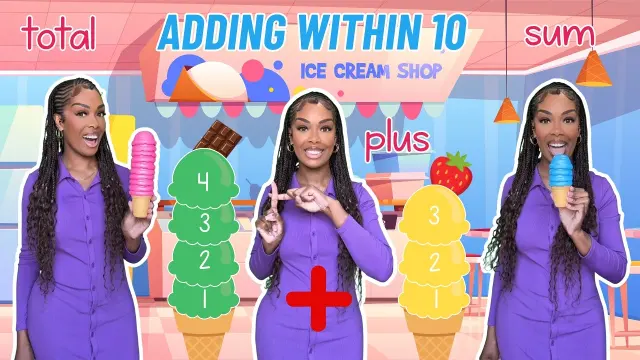 Adding Within Ten Math Lesson For Young Learners
 Comprehensive Elementary Math Review Marathon for Children
 Mixed Math Quiz for Kindergarten Elementary Practice
Get new #Elementary Math ideas by email
Every Thursday: the week's best ideas, with the newest from #Elementary Math.
Related tags
Elementary Math Basics and Practice
What elementary math is
Elementary math is the foundation of working with numbers. It usually covers the first ideas children learn in school, such as counting, comparing, adding, subtracting, multiplying, and dividing. It also includes simple shapes, patterns, measurement, time, money, and basic problem-solving.
The main goal of elementary math is not only to get the right answer, but also to help you understand how numbers work. When you build that understanding early, later topics become much easier to learn. Elementary math is used every day, from telling time and sharing snacks to measuring ingredients and counting change.
Main topics in elementary math
Read more
A child’s first contact with math often begins with number sense. This means understanding how numbers relate to each other: which is bigger, which is smaller, what comes next, and how many objects are in a group.
Common areas include:
- Counting and number recognition
- Addition and subtraction
- Multiplication and division
- Place value
- Fractions in simple forms
- Shapes and geometry
- Measurement
- Patterns and sequences
- Word problems
These topics may appear in different orders depending on age and school level, but they all help build confidence with math.
How children usually learn it
Elementary math often starts with concrete objects. Counting blocks, buttons, fingers, or drawings helps make numbers easier to understand. After that, children move toward pictures and symbols, and finally toward solving problems in their heads.
This step-by-step approach is useful because math can feel abstract at first. Using real objects and simple examples makes ideas easier to see and remember. Repeated practice also helps, but it works best when it feels manageable and clear rather than rushed.
Helpful techniques and practice tips
If you are helping a child with elementary math, short and regular practice often works better than long sessions. Keep the work simple at first, then slowly make it more challenging.
A few useful habits:
- Use everyday examples, such as counting fruit or sharing toys
- Ask the child to explain how they found an answer
- Mix writing numbers with speaking them out loud
- Review older skills often so they stay strong
- Turn mistakes into learning moments rather than something to fear
For younger learners, visual tools can be very helpful. Number lines, small objects, drawings, and simple games can make practice more engaging. As skills grow, children can move toward mental math and written exercises.
What beginners should remember
It is normal for elementary math to take time. Some children learn one idea quickly and need more practice with another. That does not mean they are “bad at math.” It usually means they need a different kind of explanation or more repetition.
The most important thing is to stay patient and build one skill at a time. Strong basics matter more than speed. When children feel safe trying, making mistakes, and trying again, they are more likely to become comfortable with math and use it confidently in everyday life.
Videos come from YouTube and posts from Instagram; titles and summaries are our own. All rights belong to their creators.