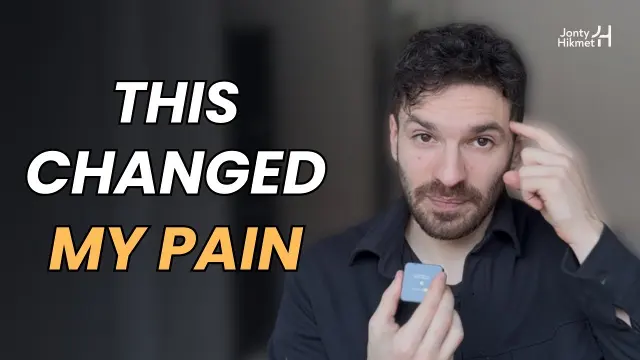
 How IFS Therapy Heals Chronic Pain and Emotions
#Emotional Healing
1 ideas
How IFS Therapy Heals Chronic Pain and Emotions
Get new #Emotional Healing ideas by email
Every Thursday: the week's best ideas, with the newest from #Emotional Healing.
Related tags
Emotional Healing: A Gentle Guide to Feeling Whole Again
Emotional healing describes the slow, uneven process of recovering from something that hurt you — a loss, a disappointment, a difficult relationship, a period of stress or a change you did not choose. It is not the same as forgetting, and it is rarely a straight line. Most people describe it as learning to carry something differently rather than putting it down entirely.
The idea sits at the meeting point of several older traditions. Grief rituals, confession, journaling, prayer, long conversations with friends and the simple passage of time have always been part of how people mend. What is newer is the language: talking about healing as an ongoing practice, something you can tend to deliberately rather than waiting out.
What healing actually looks like
There is no single method, and the approaches that help tend to fall into a few broad kinds. Some are reflective — writing, talking with someone you trust, noticing patterns in how you react. Some are bodily — sleep, movement, breathing slowly, spending time outdoors. Some are practical — restoring routine, tidying a space, finishing small things. Some are relational — letting people close again after a period of withdrawing.
Read more
Therapy, in its many forms, offers a structured version of the reflective kind, with someone trained to help you look at what is hard to look at alone. It is one option among several, not a requirement.
What beginners should know
Healing is not linear, and the days that feel like setbacks are usually part of it rather than proof of failure. Old feelings often resurface around anniversaries, familiar places or quiet moments, and that is normal.
Be wary of anyone promising a fixed timeline. Nobody can tell you how long your own process should take, and comparisons with other people are rarely useful. It also helps to be sceptical of tidy slogans — you do not have to feel grateful for something painful, and you are allowed to be unimpressed by the pressure to grow from it.
Practical things that tend to help
- Name what you feel, even roughly. Vague heaviness becomes more manageable once it has a word.
- Keep a few routines that do not depend on your mood: a walk, a meal, a bedtime.
- Tell at least one person something true about how you are, rather than only the edited version.
- Let yourself do things that are purely pleasant, without justifying them as self-care.
- Notice when you are pushing yourself to be finished with a feeling, and ease off.
A word of care
Emotional pain is not always something to work through alone. If sadness, anxiety or numbness persists, if sleep and appetite stay disrupted, or if you have thoughts of harming yourself, speak to a doctor or a qualified professional. Reaching for help is part of healing, not a departure from it.
#Emotional Healing: frequently asked questions
How do I start emotionally healing when I don't know where to begin?
Start smaller than you think you need to: name what you're feeling, even in a rough word, and keep a couple of routines that don't depend on your mood, like a walk or a regular bedtime. Telling one person something true about how you are is often the next step. You don't need a full plan before you begin.
What kinds of emotional healing approaches are there, and how do I choose one?
Approaches tend to fall into a few broad kinds: reflective (writing, talking with someone you trust, noticing your patterns), bodily (sleep, movement, breathing slowly, time outdoors), practical (restoring routine, finishing small things) and relational (letting people close again). Most people do better with a mix than with one method, so pick whatever you can actually sustain right now. A structured reflective option with a trained professional is one choice among several, not a requirement.
How long does emotional healing take?
Nobody can give you a fixed timeline, and anyone who promises one is worth being sceptical of. Healing is rarely a straight line, and days that feel like setbacks are usually part of the process rather than proof it isn't working. Old feelings resurfacing around anniversaries, familiar places or quiet moments is normal.
What are common mistakes people make while healing?
Comparing your progress with someone else's, and pushing yourself to be finished with a feeling before you are, are two of the most common. Another is judging yourself for the hard days instead of treating them as part of it. It also helps to be wary of tidy slogans: you don't have to feel grateful for something painful or perform growth from it.
How do I take care of myself day to day while I'm healing?
Keep a few small routines going that don't rely on motivation, and let yourself do things that are purely pleasant without justifying them as self-care. Naming feelings, even vaguely, tends to make them easier to carry. And try to show at least one person the unedited version of how you're doing, rather than only the polished one.
When should I look for outside help with emotional healing?
Emotional pain isn't always something to work through alone, and reaching for support is part of healing rather than a departure from it. If sadness, anxiety or numbness keeps persisting, or daily basics like sleep and appetite stay disrupted, it's worth speaking with a doctor or another qualified professional. That kind of help sits alongside everyday practices like rest, movement and honest conversation.
Videos come from YouTube and posts from Instagram; titles and summaries are our own. All rights belong to their creators.