 Recognizing Critical Sepsis Symptoms in Emergency Care
#EMT
13 ideas
Recognizing Critical Sepsis Symptoms in Emergency Care
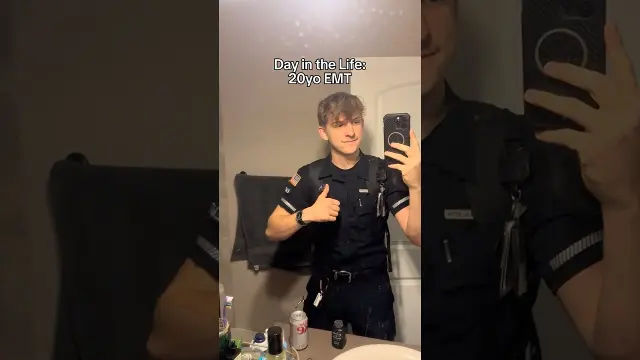 A Day in the Life of an Emergency Medical Technician
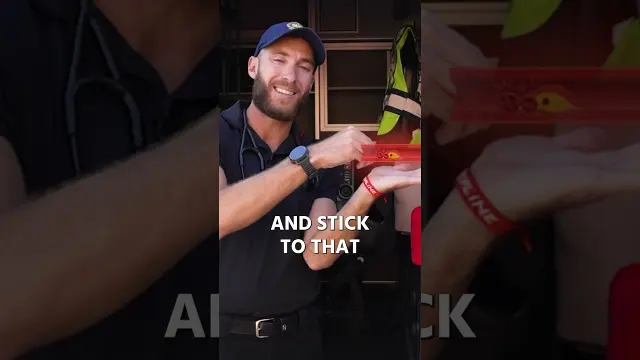 Understanding Aspirin Dosage and Administration for EMTs
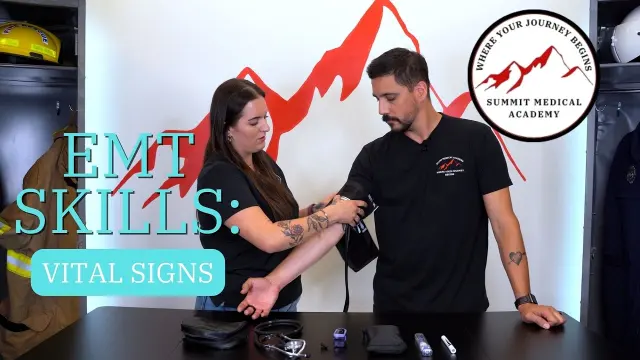 EMT Skills Demonstration: Taking Vital Signs
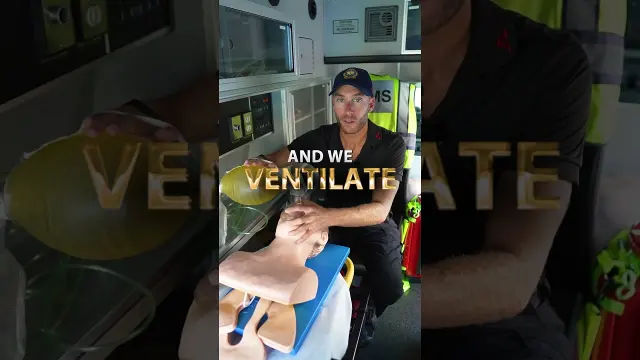 Four Essential Airway Steps Every EMT Needs to Know
 EMT Trauma Assessment Demonstration for Falls
 Obstructive Shock Review and Management for EMS
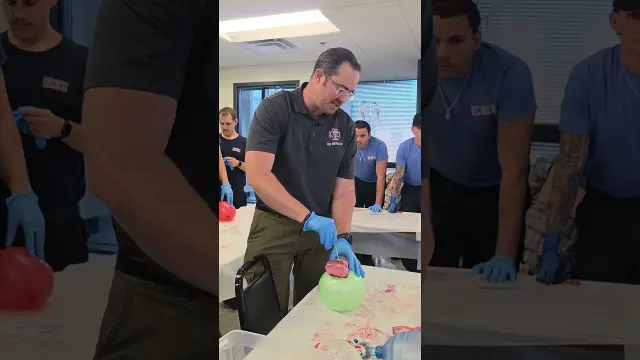 Needle Decompression Technique for Paramedic Students
 Airway Management Lecture for EMT Students
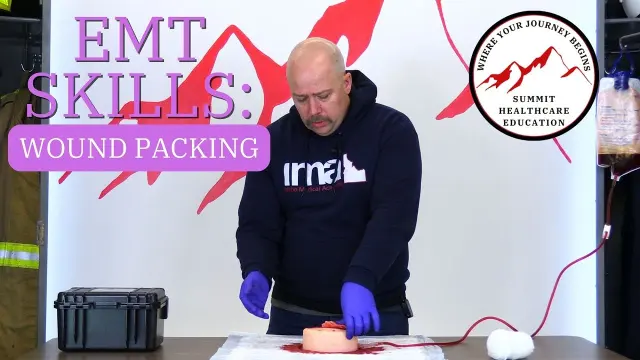 EMT Skills Practice: Proper Wound Packing Techniques
 NREMT Exam Patient Assessment Study Guide and Review
 Lung Sounds Review and Auscultation for EMTs
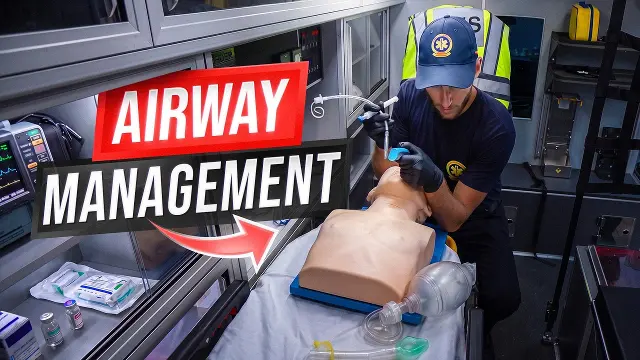 Comprehensive Airway Management from EMT to Paramedic
Get new #EMT ideas by email
Every Thursday: the week's best ideas, with the newest from #EMT.
Related tags
EMT Basics and Emergency Medical Care
What EMT means
An EMT, or emergency medical technician, is a trained first responder who gives emergency care before a patient reaches a hospital. EMTs are often the first medical professionals to assess someone in an urgent situation, provide basic life support, and help keep the patient stable during transport.
The work of an EMT is practical, fast-moving, and highly structured. It combines patient assessment, safe handling, teamwork, and clear communication. EMTs may respond to accidents, sudden illness, breathing problems, falls, or other emergencies where quick basic care matters.
What EMTs do
Read more
EMTs are trained to look at the scene, decide what is safe, and check the patient’s condition in a calm, organized way. They may help with breathing support, bleeding control, positioning, splinting, and monitoring vital signs. They also gather information from the patient, family, or bystanders, then pass that information on to hospital staff.
A big part of the job is knowing what not to do as well. EMT care is focused on simple, effective steps that support the patient until more advanced treatment is available. That means staying within training, following protocol, and asking for help when a situation is beyond the level of basic emergency care.
Main areas of EMT practice
EMT work usually includes a few core areas:
- Scene safety and risk assessment
- Patient assessment from first contact to handoff
- Airway, breathing, and circulation support
- Bleeding control and injury care
- Patient movement and transport
- Communication with other responders and hospitals
Different systems and training programs may use slightly different procedures, but the overall goal is the same: provide safe, prompt, basic emergency care.
What beginners should know
If you are learning EMT skills, start with the basics and build confidence step by step. Patient assessment is one of the most important foundations. It helps you notice what is urgent, what is stable, and what needs immediate attention.
You should also get comfortable with:
- Staying calm under pressure
- Using a clear, repeated assessment process
- Listening carefully to the patient
- Working as part of a team
- Keeping equipment organized and ready
- Practicing good body mechanics and safe lifting
It is normal to feel overwhelmed at first. EMT training asks you to think clearly, act quickly, and remember a lot of information. Regular practice helps the skills become more natural.
Practical tips for learning EMT skills
When you study EMT topics, focus on understanding the reasons behind each step rather than memorizing phrases alone. Ask yourself why a check is done, what it tells you, and what the next action should be.
Helpful habits include:
- Practicing assessment in the same order each time
- Reviewing anatomy and common emergency terms
- Talking through scenarios out loud
- Learning to observe small changes in a patient’s condition
- Reading local protocols carefully, since procedures can vary
Most of all, remember that EMT care is about steady, basic support. Good EMTs stay alert, communicate clearly, and treat every patient with respect and attention.
Videos come from YouTube and posts from Instagram; titles and summaries are our own. All rights belong to their creators.