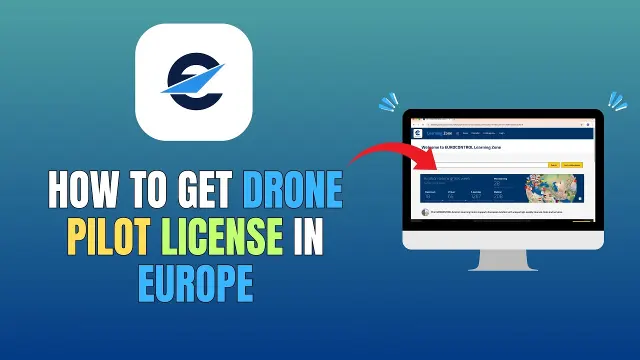
 How to Get a Drone Pilot License in Europe Under EASA
#Europe
3 ideas
How to Get a Drone Pilot License in Europe Under EASA
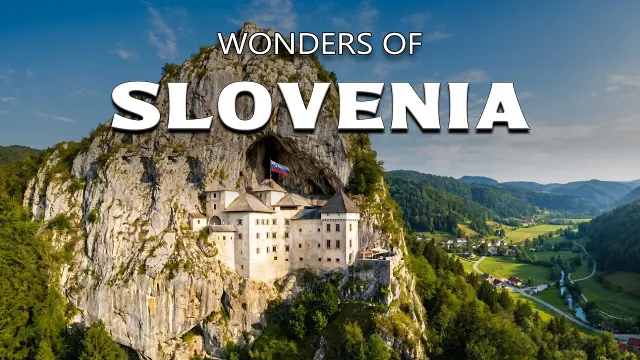 Discovering the Caves and Landscapes of Slovenia
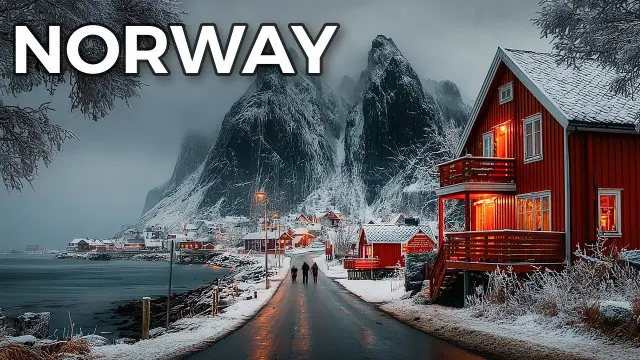 Norway Travel Documentary on Wealth and Minimalist Lifestyle
Get new #Europe ideas by email
Every Thursday: the week's best ideas, with the newest from #Europe.
Related tags
Europe: A Guide to the Continent
What Europe is
Europe is one of the world’s seven continents, made up of many countries, languages, and landscapes packed into a relatively small area. It stretches from the Atlantic Ocean in the west to the Ural region in the east, and from the Arctic north to the Mediterranean south. Because of that, Europe contains a wide mix of climates, histories, and ways of life.
The continent has long been a crossroads of trade, migration, ideas, and art. Ancient civilisations, empires, kingdoms, religious traditions, and modern nation-states have all shaped it. That is why Europe often feels both familiar and varied: cities may be close together, but their architecture, food, customs, and pace of life can be very different.
What makes Europe distinctive
Read more
Europe is known for its dense network of historic cities, public transport, museums, cathedrals, castles, countryside villages, and coastlines. You can move from alpine mountains to sandy beaches, from fjords to farmland, and from bustling capitals to quiet rural areas in a short distance.
The continent is also linguistically rich. Many languages are spoken across Europe, and even within single countries you may find strong regional identities. Local traditions, festivals, and food cultures often matter deeply, so it helps to stay open-minded and respectful when you travel or learn about the region.
Main kinds of European experiences
- Historic cities: places with old town centres, squares, churches, and layered architecture
- Coastal regions: beaches, islands, ports, and fishing communities
- Mountain areas: hiking, winter sports, scenic roads, and small alpine towns
- Countryside regions: farms, vineyards, forests, and traditional villages
- Northern landscapes: lakes, islands, forests, and cooler climates
- Southern regions: warmer weather, outdoor dining, and Mediterranean culture
Each part of Europe has its own rhythm. Some areas are strongly urban and fast-moving, while others are quieter and shaped by agriculture, family life, or the sea.
Things to know as a beginner
If you’re new to Europe, don’t think of it as one single culture. It is better understood as many cultures living close together. A polite greeting, local customs around meals, and basic language effort can go a long way.
Practical travel tips are simple but useful:
- Check each country’s currency and entry rules before you go
- Allow time for trains, buses, or local transport
- Learn a few everyday words in the local language
- Dress appropriately for churches, rural areas, or formal settings
- Keep in mind that opening hours and meal times can vary by place
A good way to appreciate Europe
The best way to understand Europe is slowly. Notice how daily life changes from one region to another: the food, the buildings, the pace of conversation, the way public space is used. Whether you’re planning a trip, studying its culture, or simply curious, Europe rewards careful looking. It is a continent of contrasts, but also of connections, where long histories and everyday life sit side by side.
Videos come from YouTube and posts from Instagram; titles and summaries are our own. All rights belong to their creators.