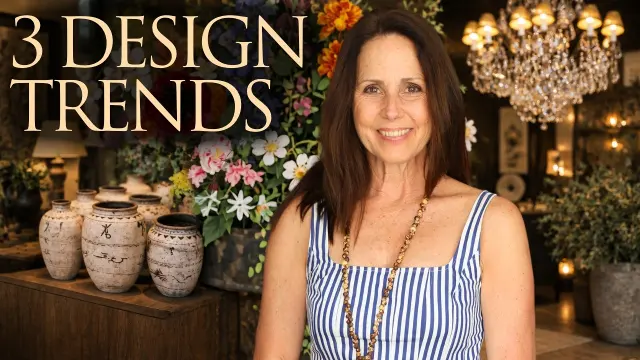
 Top Interior Design Trends From the Maison and Objet Paris Show
#European Design
1 ideas
Top Interior Design Trends From the Maison and Objet Paris Show
Get new #European Design ideas by email
Every Thursday: the week's best ideas, with the newest from #European Design.
Related tags
European Design: Heritage, Style, and Craft
What European design means
European design is a broad term for the many design traditions that have developed across Europe over time. It includes interiors, furniture, objects, textiles, graphics, architecture, and everyday items. What ties it together is not one single look, but a long relationship with craftsmanship, proportion, beauty, and function.
Because Europe is made up of many countries with different histories and climates, its design language is varied. Some traditions are formal and refined, while others are simple and practical. You may see ornate decoration, clean modern lines, rustic materials, or a mix of old and new. That variety is part of its appeal.
Where it comes from
Read more
European design has deep roots in classical antiquity, traditional craft, and later periods such as the Renaissance, Baroque, Rococo, and Neoclassical eras. Over time, design also changed with industry and modern life, leading to movements that valued simplicity, honest materials, and useful forms.
In many European traditions, design has always been closely linked to architecture and the home. Furniture, ceramics, textiles, and decorative objects were often made to fit a room as a whole, not just to stand alone. That sense of harmony is still an important part of the style.
Common styles and qualities
European design can look very different from one region to another, but some qualities come up often:
- A strong sense of proportion and balance
- Attention to materials and workmanship
- A mix of decorative and practical elements
- Layers of texture, shape, and detail
- Respect for history, with room for reinterpretation
You might find:
- Classical elegance with symmetry and fine detail
- Rustic charm with natural wood, stone, and handmade finishes
- Minimal modernism with clean lines and functional forms
- Eclectic interiors that combine antique and contemporary pieces
Materials and techniques
Traditional European design often uses materials that age well and feel natural: wood, stone, metal, ceramic, linen, wool, and glass. Finishes may be polished or weathered, depending on the style. Handmade techniques such as carving, weaving, embroidery, glazing, and joinery have long played an important role.
For beginners, it helps to notice how European design often uses contrast: old with new, smooth with textured, simple with ornate. That balance gives many interiors and objects their character.
How to approach it at home
If you want to bring a European design feel into your own space, start with a few thoughtful choices rather than trying to copy a complete look.
- Choose well-made pieces with clear shapes
- Mix natural materials for warmth and depth
- Use a restrained colour palette, then add texture
- Include one or two older or vintage-inspired items
- Leave some space so the room feels calm and considered
You do not need expensive pieces or a perfect match. European design often feels most successful when it looks collected over time. The goal is not decoration for its own sake, but a space or object that feels useful, elegant, and lived in.
Videos come from YouTube and posts from Instagram; titles and summaries are our own. All rights belong to their creators.