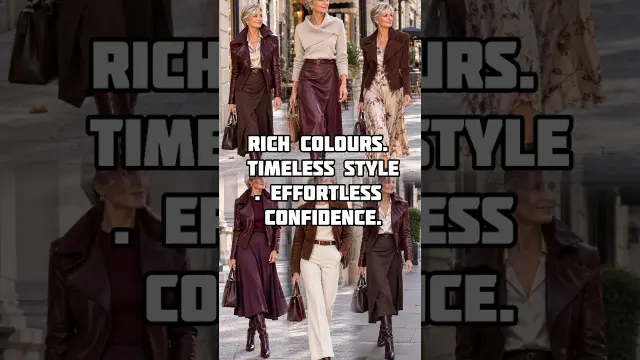
 Fall Fashion for Chic Over 50: European Street Style and Timeless Outfit Tips
#European Style
1 ideas
Fall Fashion for Chic Over 50: European Street Style and Timeless Outfit Tips
Get new #European Style ideas by email
Every Thursday: the week's best ideas, with the newest from #European Style.
Related tags
European Style: Timeless Fashion Inspiration
European style usually means clothing that feels polished, understated, and easy to wear. It is less about one fixed uniform and more about a general approach to dressing: clean lines, good proportions, and pieces that look thoughtful without appearing overdone. Across many European cities, style has long been shaped by local climate, history, craftsmanship, and everyday practicality, which is why it often feels both elegant and lived in.
What European style is
At its heart, European style often values simplicity, fit, and quality materials. Instead of relying on highly coordinated outfits or heavy decoration, it tends to focus on balance. A plain coat, well-cut trousers, a crisp shirt, a neat knit, or a simple dress can be enough when the shape and finish are right.
Because Europe is diverse, there is no single look that defines it. Still, some common qualities appear again and again: a preference for classic pieces, neutral or muted colors, thoughtful layering, and accessories that complete an outfit without overwhelming it.
Read more
Common influences and looks
European style draws from many regional traditions and everyday habits. In some places, tailoring and structured outerwear are especially important. In others, relaxed layering, flats, scarves, or soft knitwear are more common. You may notice a mix of practical clothing and refined details, which gives the style its effortless character.
Some broad style directions often associated with European dressing include:
- Tailored and classic: blazers, straight trousers, simple shirts, structured coats
- Minimal and modern: neutral colors, clean silhouettes, few visible details
- Romantic and soft: flowing dresses, delicate prints, light fabrics
- Relaxed and practical: layered basics, comfortable shoes, weather-ready outerwear
Key principles to know
If you want to borrow from European style, start with fit. Clothes do not need to be tight to look refined, but they should sit well on your body. Hemlines, sleeve length, shoulder shape, and trouser length all make a big difference.
Color is often kept restrained. Black, navy, cream, gray, camel, white, and earth tones are common because they are easy to mix and match. That said, a small amount of color can be very effective when the rest of the outfit is simple.
Fabric also matters. Natural-feeling textures, weight, and drape often help an outfit look more considered. A garment that holds its shape well or falls neatly can instantly feel more polished.
Practical tips for beginners
- Build around basics first: a good coat, simple tops, trousers, knitwear, and comfortable shoes.
- Choose pieces you can wear in more than one way.
- Keep accessories purposeful. A scarf, belt, bag, or earrings can finish a look without clutter.
- Pay attention to footwear. Shoes often set the tone of the whole outfit.
- Aim for ease, not perfection. European style often looks best when it feels natural.
A style that lasts
European style remains appealing because it is adaptable. You can make it more classic, more relaxed, or more feminine depending on what suits you. The main idea is not to copy a strict formula, but to dress with restraint, confidence, and care. When you focus on quality, fit, and simplicity, even everyday clothes can feel timeless.
Videos come from YouTube and posts from Instagram; titles and summaries are our own. All rights belong to their creators.