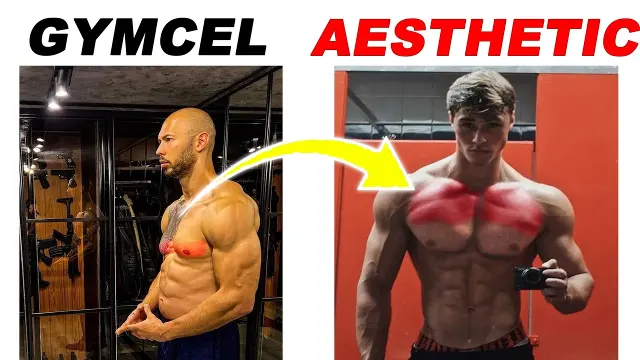
 Training the Upper Chest for a More Aesthetic Look
#Exercise Selection
1 ideas
Training the Upper Chest for a More Aesthetic Look
Get new #Exercise Selection ideas by email
Every Thursday: the week's best ideas, with the newest from #Exercise Selection.
Related tags
Exercise Selection: Building a Balanced Training Plan
Exercise selection is the part of planning a workout that comes before sets, reps and weights: deciding which movements belong in your program and why. Two people can train the same number of days and the same number of hours and get very different results, largely because of the exercises they picked. Choosing well is less about finding the "best" movement and more about assembling a set of movements that cover the body, respect the joints and fit the time and equipment you actually have.
What exercise selection is
Every program is a collection of movements, and each movement trains particular muscles through a particular range of motion, using a particular piece of equipment. Selection is the deliberate matching of those movements to a goal: general strength, muscle size, endurance, mobility, sport performance or simply feeling capable in daily life. Good selection starts from the goal and works backwards, not from whatever is popular to do.
Compound and isolation
Read more
The most familiar distinction is between compound movements, which work several joints and muscle groups at once, and isolation movements, which work mainly one area. Squats, deadlift variations, presses, rows and pull-downs are compound; curls, raises and many machine exercises are isolation. A common and durable approach is to build the session around compounds, because they cover a lot of ground efficiently, then add isolation work for areas that need extra attention or that compounds don't reach well.
Movement patterns rather than single muscles
Thinking in patterns keeps a program balanced. Most resistance training can be organised around a handful: a squat pattern, a hinge, a push, a pull, a carry or brace, and some form of single-leg work. Covering these across a week means nothing major is neglected, which matters more over months than the exact exercise chosen.
Questions worth asking about any exercise
- Does it train what I am trying to train?
- Can I perform it with control through a full, comfortable range of motion?
- Does it fit my equipment, space and the time I have?
- Can I progress it — more reps, more weight, better control — over weeks?
- Does it overlap so much with another exercise that one of them is redundant?
- Does it leave me recovered enough for the rest of the week?
Free weights, machines and bodyweight
Free weights ask more of balance and coordination and let you move along natural paths. Machines offer stability, which makes them useful for learning a movement or pushing a muscle close to its limit safely. Bodyweight exercises need little equipment and scale well through leverage and position. None of these is inherently superior; the useful one is the one you can do consistently and progress.
Practical tips for beginners
Start with a small number of exercises done well rather than a long list done vaguely. Learn a few patterns first, then add variety. Change one variable at a time so you can tell what helped. Keep movements you enjoy, because consistency matters more than optimisation. If something causes pain rather than effort, swap it for a variation that doesn't, and seek qualified guidance when unsure.
#Exercise Selection: frequently asked questions
How do I start choosing exercises if I've never built a program before?
Begin with your goal rather than with whatever looks popular, then pick a few movements you can perform with control through a comfortable range of motion. Learn a small set of patterns first — a squat, a hinge, a push, a pull, and something for single-leg or core work — and treat variety as something you add later. Doing a handful of exercises well beats a long list done vaguely.
What do I actually need in order to start selecting exercises?
Mostly you need a clear idea of your goal, the equipment and space you can realistically access, and enough time to train consistently. Free weights, machines, and bodyweight options all work, so the right choice is whichever you can do regularly and progress over weeks. If you train at home with little gear, bodyweight variations scaled by leverage and position cover more ground than people expect.
Should I choose compound or isolation exercises?
A durable approach is to build the session around compound movements, since they work several joints and muscle groups at once and cover a lot of ground efficiently. Then add isolation work for areas that need extra attention or that the bigger movements don't reach well. Neither type is superior on its own — they answer different needs.
How do I know whether an exercise belongs in my program?
Ask whether it trains what you're actually trying to train, whether you can control it through a full and comfortable range, and whether it fits your equipment and time. It should also be progressable, meaning you can add reps, load, or better control as the weeks pass. Finally, check for redundancy with other exercises and whether it leaves you recovered enough for the rest of your week.
What are the most common mistakes people make when picking exercises?
The usual ones are chasing whatever is currently popular instead of starting from the goal, and cramming in many exercises without any of them being performed well. Another is changing several things at once, which makes it impossible to tell what actually helped. If a movement causes pain rather than effort, swap it for a variation that doesn't and get qualified guidance when you're unsure.
How do I keep my exercise choices balanced across a week?
Organise your training around movement patterns rather than single muscles — a squat, a hinge, a push, a pull, a carry or brace, and some single-leg work. Covering those across the week means nothing major gets neglected, which matters far more over months than the exact exercise you picked. Keep the movements you enjoy, since consistency beats optimisation.
Videos come from YouTube and posts from Instagram; titles and summaries are our own. All rights belong to their creators.