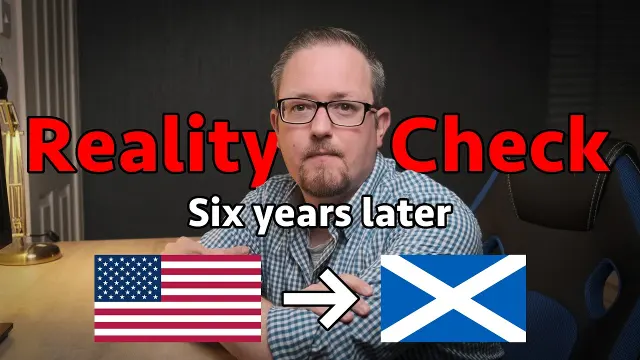
 An American's Honest Look at Moving to Scotland
#Expat Life
4 ideas
An American's Honest Look at Moving to Scotland
 Siem Reap apartment tour with rentals from $170 to $550
 First impressions of living in Siem Reap, Cambodia
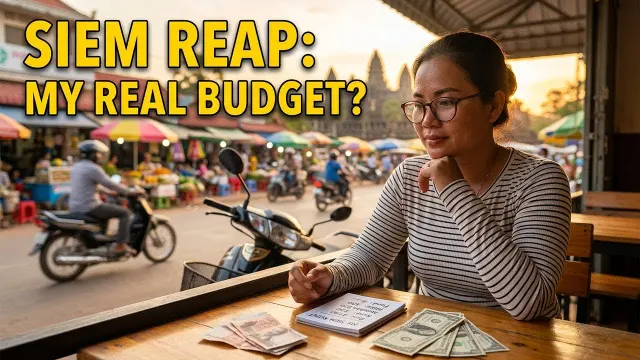 Real monthly cost of living in Siem Reap for expats
Get new #Expat Life ideas by email
Every Thursday: the week's best ideas, with the newest from #Expat Life.
Related tags
Expat Life: A Guide to Living Abroad
Expat life is the experience of living outside your country of birth, usually for an open-ended period rather than a short stay. The word "expatriate" simply means someone residing away from their native country, and it covers a wide range of people: professionals on overseas contracts, retirees stretching a pension further, students who stayed on after graduating, couples who followed a partner, and families seeking a different pace. What they share is the daily work of building an ordinary life in a place where the ordinary is unfamiliar.
Why people move
Motivations vary enormously and rarely come down to a single reason. Cost of living draws many people to smaller cities abroad. Others move for work, for study, for marriage, or for climate and health. Some are chasing a slower daily rhythm or a creative community; others simply want to see whether they can do it. It helps to be honest with yourself about which of these is primary, because the answer shapes everything from the visa you need to the neighbourhood you choose.
The practical groundwork
Read more
The unglamorous part of moving abroad is paperwork, and it is usually what people underestimate. Residency permits, work authorisation, tax obligations, health cover, driving licences and banking all have their own rules, and they differ from country to country and often change. Research the correct visa category before you commit, and never assume you can sort it out after arriving. Keep digital and paper copies of every document. Learn the local rules on renting, since deposit customs and contract norms are rarely what you expect.
Money and cost of living
Budgets that look generous on paper tend to tighten in practice. Beyond rent, factor in deposits, utilities, internet, transport, visa renewals, trips home and the cost of setting up a household from scratch. Currency movement can affect anyone living on income earned elsewhere. A common piece of advice is to live for a few months on what you think your budget will be before moving, to see how realistic it is.
Language and belonging
You can survive in many places without the local language, but you cannot really belong. Even modest effort — greetings, numbers, ordering food, apologising for mistakes — changes how people respond to you. Beyond language, belonging comes from routine: the same café, a class, a volunteer group, a sport. Friendships with other newcomers form quickly and are valuable, but they often turn over as people move on, so it is worth also investing in relationships with people who are staying.
Culture shock and the middle years
Most people pass through an early honeymoon phase, a stretch of friction where small differences become exhausting, and then a gradual settling. Naming that pattern in advance helps, because the difficult phase feels permanent while you are in it. Long-term expats often speak of a later stage where you no longer fully fit at home either — a normal outcome of living across two places.
Practical habits that help
- Learn local bureaucracy patiently; it usually rewards calm persistence over urgency.
- Register with a doctor and understand your health coverage early.
- Keep an emergency fund and an exit plan, even if you never use them.
- Ask long-term residents for specifics rather than trusting marketing about a place.
- Expect the first year to be tiring. Give yourself permission for it to be.
Expat life is less an escape than a long exercise in adaptation, and the people who do it well tend to be curious, patient and willing to be a beginner again.
#Expat Life: frequently asked questions
What should I sort out first before moving abroad as an expat?
Start with the practical basics: the right residency or visa category, work authorization if needed, and the rules around taxes, banking, and health coverage. It also helps to understand local rental customs early, because deposits and lease terms can be very different from what you are used to.
How do I choose the right country or city for expat life?
The best choice usually depends on your main reason for moving, whether that is work, study, family, lifestyle, or a lower cost of living. Think about what matters most day to day, because that will shape everything from the neighborhood you pick to the budget you need.
What is the biggest mistake people make when starting expat life?
A common mistake is assuming paperwork can be handled later after arrival. Another is underestimating the real cost of settling in, since deposits, utilities, transport, and setting up a home can add up quickly.
How can I make it easier to settle in and feel at home?
Small daily habits make a big difference, like learning basic phrases, shopping locally, and having a regular café or class. It also helps to build relationships with both other newcomers and people who are staying long term, so your support network is more stable.
What should I know about the culture shock of living overseas?
Many people go through an early excited phase, then a period when small differences feel frustrating, and later a calmer adjustment. Knowing that this pattern is normal can make the difficult stretch feel less permanent and easier to manage.
How do I prepare my finances for expat life?
Plan for more than just rent, because everyday costs like utilities, internet, transport, and trips home can change your budget fast. It is also wise to test your expected spending before you move, so you can see whether the lifestyle is realistic for you.
Videos come from YouTube and posts from Instagram; titles and summaries are our own. All rights belong to their creators.