 Romantic couples getaway exploring new destinations
#Exploration
3 ideas
Romantic couples getaway exploring new destinations
 Inside the Billion-Gallon Underground Lake Beneath Bonne Terre, Missouri
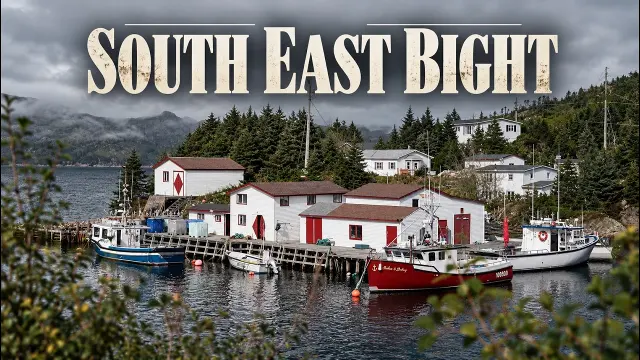 Boat Journey to a Forgotten Newfoundland Coastal Town
Get new #Exploration ideas by email
Every Thursday: the week's best ideas, with the newest from #Exploration.
Related tags
Exploration: Curiosity, Discovery, and Adventure
What exploration means
Exploration is the act of seeking out what is unknown, unfamiliar, or only partly understood. It can mean crossing oceans, walking into wild landscapes, studying the sky, or simply discovering a new place close to home. At its heart, exploration is about curiosity: the wish to learn what lies beyond what you already know.
Throughout history, exploration has shaped maps, trade routes, science, and the way people understand the world. It has taken many forms, from travel by sea and land to exploration through research, observation, and storytelling. Today, the idea still includes adventure and discovery, but it also applies to personal experiences, creative work, and learning.
Main kinds of exploration
Read more
There are many ways to explore, and each asks for a different kind of attention.
- Geographic exploration involves visiting new places, from cities and villages to mountains, deserts, forests, and coasts.
- Scientific exploration is the careful study of nature, space, the body, or the environment.
- Cultural exploration means learning about different customs, languages, foods, art, and ways of life.
- Personal exploration is about discovering your own interests, limits, and preferences through experience.
- Creative exploration takes place in art, writing, photography, design, and other forms of expression.
What makes exploration rewarding
Exploration often begins with uncertainty. You may not know what you will find, and that is part of its appeal. A place can feel more vivid when you notice details closely: the shape of a shoreline, the sound of a market, the texture of old stone, or the changing light in a landscape. Exploration is not only about going far away. It is also about paying attention.
It can be active and adventurous, or quiet and reflective. Some people explore by hiking remote paths or sailing unfamiliar waters. Others do it by reading, observing wildlife, trying a new craft, or learning the history of a neighborhood. All of these are ways of stepping beyond routine.
Practical advice for beginners
If you are new to exploration, start small and stay thoughtful.
- Choose places or subjects that genuinely interest you.
- Learn a little beforehand, especially about safety, weather, and local customs.
- Travel with a flexible plan, since discovery often depends on time and patience.
- Carry what you need, but leave room for observation and surprise.
- Move at a pace that lets you notice your surroundings.
- Respect the people, animals, and environments you encounter.
Good exploration is not about rushing to see everything. It is about being open, prepared, and observant. Even a short outing can feel meaningful if you approach it with curiosity.
The spirit of exploration
At its best, exploration combines wonder with respect. It asks you to look closely, think carefully, and accept that not everything can be known at once. Whether you are traveling to a distant place or learning something new in familiar surroundings, exploration can broaden your view and deepen your understanding of the world.
Videos come from YouTube and posts from Instagram; titles and summaries are our own. All rights belong to their creators.