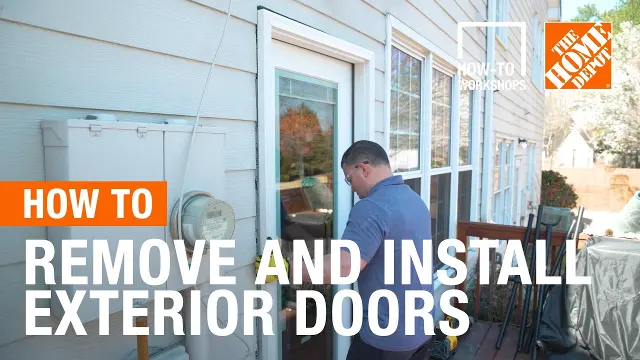
 How to Remove and Install an Exterior Door Yourself
#Exterior Doors
2 ideas
How to Remove and Install an Exterior Door Yourself
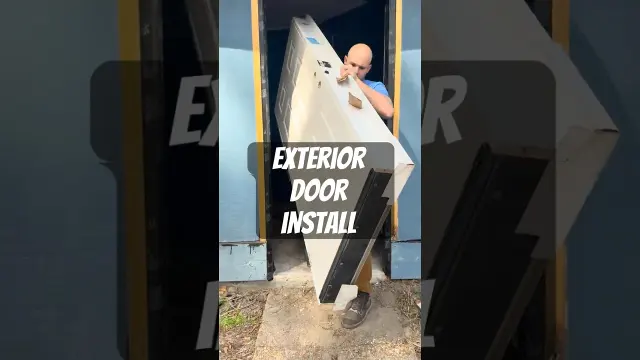 Step-by-Step Exterior Door Installation
Get new #Exterior Doors ideas by email
Every Thursday: the week's best ideas, with the newest from #Exterior Doors.
Related tags
Exterior Doors: A Guide to Choosing and Fitting
An exterior door is the one that stands between your home and the outside world. It lets people in, keeps wind and rain out, holds warmth where you want it, and quietly does the work of security every night. Because it has to do all of that at once, it is a more demanding piece of joinery than an interior door — and worth thinking about before you buy one.
What an exterior door has to do
Every external door balances a few jobs that pull in different directions. It should be strong enough to resist force, tight enough to stop draughts and water, insulated enough not to feel cold to the touch, and attractive enough to make the entrance feel cared for. When one of those is neglected — usually the weather seal, because it is invisible — the others suffer too.
The main materials
Read more
- Solid timber. Warm, repairable and easy to repaint, but it moves slightly with the seasons and needs regular finishing to stay sound.
- Engineered and composite doors. A stable core with a moulded or timber-effect skin. They keep their shape well and need little upkeep.
- uPVC, or vinyl. Low maintenance frames, usually with a reinforcing core and sealed glazing units.
- Aluminium. Slim frames and large areas of glass; look for a thermally broken frame if you want decent insulation.
- Steel. Heavy and secure, often used where strength matters most.
Types by position and use
The front door is usually the most decorative, while a back or kitchen door tends to be plainer and more practical. French doors open in pairs and bring in light; sliding and folding doors open a whole wall to a garden. A side or utility door handles everyday traffic, and a stable door — split horizontally — is useful where children or pets go in and out.
Slab or prehung
You can buy a door leaf on its own, which suits replacing a leaf in a sound frame, or a prehung door already fixed in its frame with hinges and threshold fitted. The second is far easier to get square and weathertight, and it is the usual choice for a first installation.
What beginners should check
Measure the opening in several places rather than once, since old walls are rarely true. Note which way the door hangs and whether it opens inwards or outwards, because these details are not interchangeable. If you live in an older or protected building, check what permissions apply before you change the door's appearance, and ask about fire and safety requirements where a door leads to a garage or a shared passage.
Look closely at the threshold and the ground outside it: water should drain away from the door, not towards it. A small canopy or a drip above the door does a great deal of quiet work. Choose good locks — a sturdy deadbolt or a multipoint locking system — and make sure the frame is as solid as the door itself.
Looking after it
Repaint or re-oil timber before the finish wears thin, and treat cut edges. Keep hinges and locks lightly lubricated, adjust the hinges if the door starts to catch, and renew the weather seal when it hardens. A well-fitted door, cared for occasionally, will stay quiet, dry and secure for many years.
#Exterior Doors: frequently asked questions
How do I start when replacing an exterior door?
Begin by measuring the opening in more than one spot, since older walls are seldom perfectly square or level. Note which side the hinges sit on and whether the door swings in or out, because those details decide what you can buy. If the house is old or protected, find out what permissions apply before you change how the entrance looks.
Which material should I choose for an exterior door?
Pick by how much upkeep you are willing to do and what the entrance needs to look like. Timber is warm and repairable but wants regular finishing, while engineered, composite and vinyl doors hold their shape with far less attention. Aluminium suits slim frames and wide glass, and steel is the choice where strength matters most.
Should I buy a door leaf or a prehung door?
A bare leaf makes sense when the existing frame is sound and you only want to swap the door itself. A prehung door arrives already set in its frame with hinges and threshold fitted, which makes it much easier to get square and weathertight. For a first installation, the prehung option saves a lot of frustration.
What are the most common mistakes with exterior doors?
The usual one is ignoring the weather seal, because it is invisible until draughts and damp show up. Another is fitting a solid door into a weak frame, which undoes the security the door was meant to provide. Poor drainage outside the threshold is also easy to overlook and causes trouble later.
How do I look after an exterior door?
Repaint or re-oil timber before the finish wears thin, and treat any cut edges so moisture cannot get in. Keep hinges and locks lightly lubricated, adjust the hinges if the door begins to catch, and replace the weather seal once it hardens. A little attention now and then keeps the door quiet, dry and secure.
How can I make a front entrance look more inviting?
Treat the front door as the decorative one and the back or utility door as the practical one, so the entrance gets the attention. A small canopy or drip above the door protects it and adds character at the same time. Finish the door properly and keep the hardware clean and working, and the whole entrance reads as cared for.
Videos come from YouTube and posts from Instagram; titles and summaries are our own. All rights belong to their creators.