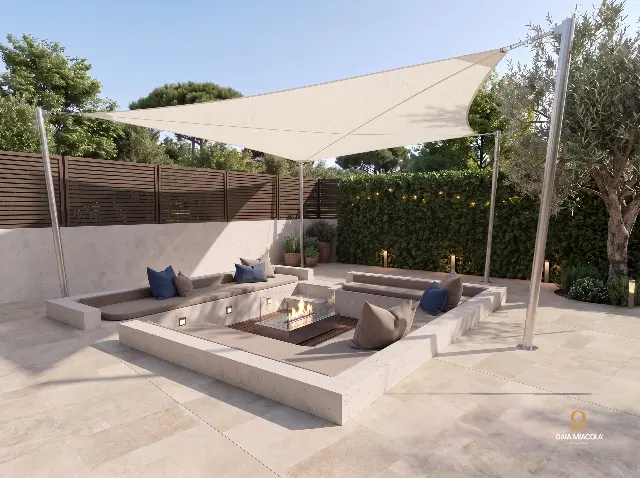
 Outdoor living scene shared as home and exterior design inspiration
#Exterior Inspiration
1 ideas
Outdoor living scene shared as home and exterior design inspiration
Get new #Exterior Inspiration ideas by email
Every Thursday: the week's best ideas, with the newest from #Exterior Inspiration.
Related tags
Exterior Inspiration: A Guide to Designing Your Home's Outside
The outside of a house is the part everyone sees first, and the part that quietly shapes how a home feels from within. Exterior design covers everything beyond the front door: the shape of the building, the materials it is clad in, the colour of the trim, the path that leads in, the planting, the lighting and the places where people sit. "Exterior inspiration" is simply the practice of gathering ideas for all of that, so that the finished result looks deliberate rather than accidental.
Where the ideas come from
Exterior design has always borrowed from climate and local craft. In places with heavy rain, roofs grew steep and eaves deep; in hot, dry regions, deep shade and thick walls appeared; in cold climates, small windows kept warmth in. Much of what reads as regional style is really a practical answer to weather, refined over generations. When you look for inspiration, it helps to notice this, because a detail that looks lovely somewhere else may be doing a job you do not need — or missing one you do.
The main elements
Read more
Start with proportion and roofline. The massing of a building — how tall, how wide, how the roof sits — is the hardest thing to change later and the biggest influence on how everything else looks.
Cladding and colour come next. Wood, brick, stone, render, metal and board each age in their own way and each carries a different texture. A common approach is to limit yourself to two or three materials and let the contrast between them do the work, rather than adding more.
Then the openings: windows and doors. Their size, rhythm and framing give a facade its character, and a consistent alignment usually looks calmer than a scattered one.
Finally, the ground and the edges: paths, steps, walls, fences, gates and planting. These connect the building to the street and to the garden, and they are where most of the achievable change lies.
Outdoor living
A garden or terrace can be treated as another room. Think about where the sun falls through the day, where wind is worst, and how you will actually use the space — a table for meals, a bench for reading, a sheltered corner for cooler evenings. Grouping furniture rather than scattering it makes even a small area feel intentional. Planting that provides shade, scent or screening earns its place more than decoration alone.
Lighting
Exterior lighting is often overlooked and rarely regretted. Low, warm light along a path, a glow near a step, a soft wash on a wall or tree: these extend the evening and make the house feel welcoming. Keep it restrained and pointed downward where possible, both for comfort and for neighbours.
Practical advice for beginners
Work with what you have before changing it. Repainting a front door, tidying edges, pruning and clearing clutter can transform an exterior for very little. Keep a collection of images and note what specifically appeals in each — the colour, the material, the proportion — rather than saving whole scenes. Check practical matters early: drainage, planning rules, and how a material weathers over time. And remember that a house looks best when the front, the garden and the way you live outside feel like one continuous idea rather than three separate projects.
#Exterior Inspiration: frequently asked questions
How do I start gathering exterior inspiration for my home?
Begin by collecting images and, more importantly, noting what specifically draws you to each one — a colour, a material, the shape of a roofline or the way a path curves. Whole scenes are hard to copy, but the single detail you liked usually can be adapted. Then look at your own house and garden first, since working with what is already there is the cheapest and most natural starting point.
What should I focus on first when planning an exterior?
Proportion and roofline come first, because the massing of a building is the hardest thing to alter later and it sets how everything else reads. From there, move to cladding and colour, then the rhythm of windows and doors, and finally the ground level — paths, steps, walls and planting. The last group is where most achievable change lies, so it is often the best place to begin making improvements.
How do I choose materials and colours that will look good together?
A reliable approach is to keep the palette small and let the contrast between a few materials do the work rather than adding more of them. Each material — wood, brick, stone, render, metal — ages and textures differently, so it helps to look at older examples of it in your climate before committing. Check early how a finish weathers, because a surface that looks crisp when new may change character considerably over the seasons.
How can I make my outdoor space feel like an extra room?
Watch where the sun falls through the day, where the wind is worst, and how you will genuinely use the area — a table for meals, a bench for reading, a sheltered corner for cooler evenings. Grouping furniture into a defined zone rather than spreading it out makes even a small terrace feel deliberate. Planting earns its place when it provides shade, scent or screening, not just decoration.
What exterior lighting should I add, and what mistakes should I avoid?
Low, warm light along a path, a glow near a step, or a soft wash on a wall or tree extends the evening and makes a house feel welcoming with very little equipment. Keep it restrained and aimed downward where possible, for your own comfort and out of consideration for neighbours. The common mistake is over-lighting, which flattens the effect and can spill where it is not wanted.
What are the most common beginner mistakes in exterior design?
Saving whole scenes instead of noting the one detail you actually liked makes inspiration hard to use, and skipping practical checks such as drainage, local planning rules and how materials weather causes problems later. Another frequent slip is treating the front of the house, the garden and the way you live outside as three separate projects rather than one continuous idea. A little repainting, tidying and pruning often achieves more than a large new addition.
Videos come from YouTube and posts from Instagram; titles and summaries are our own. All rights belong to their creators.