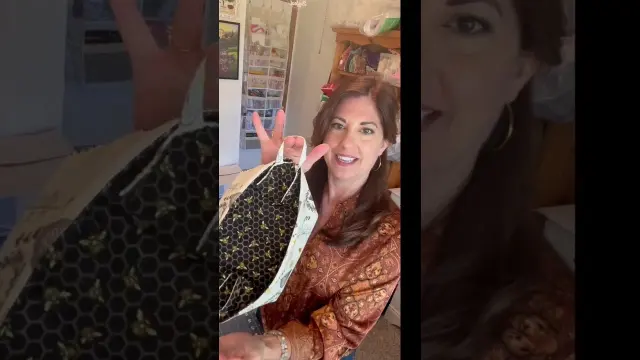
 Sewing a Flat-Folding Bowl Cozy From Start to Finish
#Fabric Crafts
1 ideas
Sewing a Flat-Folding Bowl Cozy From Start to Finish
Get new #Fabric Crafts ideas by email
Every Thursday: the week's best ideas, with the newest from #Fabric Crafts.
Related tags
Fabric Crafts: A Beginner's Guide to Making Things With Cloth
Fabric crafts are any handmade project built from cloth — cutting it, joining it, folding it, stuffing it, dyeing it or embellishing it. They sit somewhere between practical household skill and art, and most of them have been passed down for generations in one form or another. The appeal is simple: cloth is forgiving, widely available, and even a rough first attempt usually produces something usable.
Where the tradition comes from
Almost every culture has its own textile handwork, and many techniques are centuries older than the sewing machine. Quilting, patchwork, embroidery, appliqué, lace-making, felting, basketry with rag strips and rag rug weaving all grew out of a practical instinct to use every scrap rather than waste it. That frugal logic still runs through fabric crafts today: a shirt too worn to wear becomes a pouch, a quilt square, or stuffing for a cushion.
The main kinds of fabric craft
Read more
- **Sewing and simple construction** — hand or machine stitching to make bags, cushions, aprons, pouches and simple garments.
- **Patchwork and quilting** — piecing small shapes into a larger surface, then layering and stitching it for warmth and texture.
- **Appliqué and embroidery** — attaching shapes onto cloth, or decorating it with stitches; embroidery ranges from basic running stitch to dense figurative work.
- **Felting** — matting wool fibres together with needles or soapy water to make flat fabric or solid shapes.
- **Dyeing and printing** — tie-dye, natural dyes, block printing and stencilling to change the surface of plain cloth.
- **Textile upcycling** — braiding, weaving or knotting strips of old fabric into rugs, baskets, plant hangers and mats.
What beginners should know
Start with a project that finishes in one sitting, so you learn the whole process from cut to last stitch. A flat-folding bowl cozy, a lined tote or a simple cushion cover teaches more than a large quilt you abandon halfway.
Choose cotton for your first projects. It presses flat, does not slip under the needle, and is easy to unpick. Pre-wash fabric before cutting if the finished item will be washed, so any shrinkage happens before you sew, not after.
Learn three things properly and the rest gets easier: how to thread and tension your machine, how to sew an even seam allowance, and how to press seams as you go rather than at the end. Pressing is the single most underrated step in fabric work — it makes the difference between homemade and handmade.
Practical tips
Cut on a flat, large surface, and keep your scissors sharp and reserved for cloth only. Measure twice and cut once, and mark your seam lines lightly. Keep a seam ripper within reach; nobody sews perfectly and unpicking is a normal part of the process, not a failure. Save your scraps in a box — small pieces are the raw material of patchwork, stuffing and appliqué.
Finally, expect your first result to be imperfect. Fabric crafts reward repetition, and the pleasure of the thing is in the making as much as the finished object.
#Fabric Crafts: frequently asked questions
How do I get started with fabric crafts if I have never made anything before?
Pick a small project you can finish in one sitting, so you experience the whole arc from cutting to the final stitch and learn where your hands need practice. A lined tote, a simple cushion cover or a flat-folding bowl cozy teaches more than an ambitious quilt that stalls halfway. Expect the first result to look homemade rather than perfect — the skill comes from repeating the same simple shapes.
What do I need to have on hand before I begin sewing or crafting with cloth?
At minimum: sharp scissors kept for cloth only, pins, a marking tool, a seam ripper, an iron and a flat surface big enough to lay the fabric out without shifting. If you are using a machine, learn to thread it and set the tension before you start a real project. Cotton is the kindest first fabric because it presses flat, does not slide under the needle and unpicks cleanly if you go wrong.
Which kind of fabric craft should I choose?
Choose based on whether you want a finished object quickly or a slow, meditative process: simple construction and appliqué give fast results, while quilting, embroidery and felting reward patience. If you already have a drawer of worn clothes, upcycling into rugs, baskets or pouches turns waste into something useful and needs very little equipment. Dyeing and printing suit people who enjoy experimenting with colour more than precision stitching.
How should I look after handmade fabric items so they last?
Wash them gently and sparingly, and pre-wash your fabric before cutting if the finished piece will ever go in the machine, so any shrinkage happens before you sew rather than after. Press seams as you construct rather than at the end, and press finished work with care — that single step is what separates something that looks handmade from something that looks homemade. Store folded pieces away from damp and direct sun, and mend small tears or loose stitches early before they grow.
What mistakes do beginners make most often with fabric projects?
Cutting too fast and too little — measuring once and slicing confidently usually means recutting, so measure again before the scissors move. Skipping the iron is the other common one, along with buying slippery or stretchy fabric for a first attempt. Treat unpicking as a normal part of the process rather than a failure, and keep a box for scraps, since offcuts become patchwork squares, stuffing and appliqué shapes.
What kinds of fabric crafts work well as handmade gifts or for a special occasion?
Small, personal things tend to land best: a pouch, an embroidered or appliquéd piece, a dyed or block-printed cloth, or a bowl cozy for someone who cooks. For a wedding or a new baby, a quilted or patchwork item carries extra meaning because it takes time and can be made in colours that suit the recipient. Keep the scale modest — a well-finished small gift reads as more thoughtful than an unfinished grand one.
Videos come from YouTube and posts from Instagram; titles and summaries are our own. All rights belong to their creators.