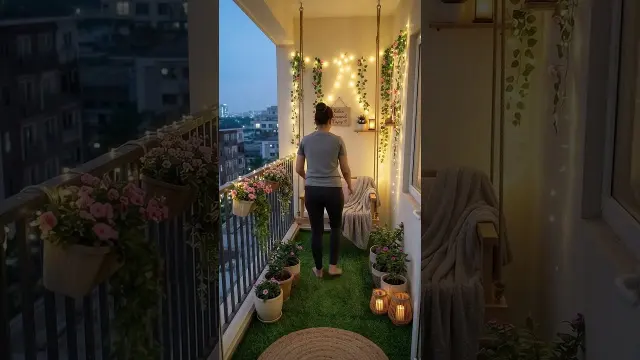
 Balcony Makeover Into a Magical Fairy Light Paradise
#Fairy Lights
11 ideas
Balcony Makeover Into a Magical Fairy Light Paradise
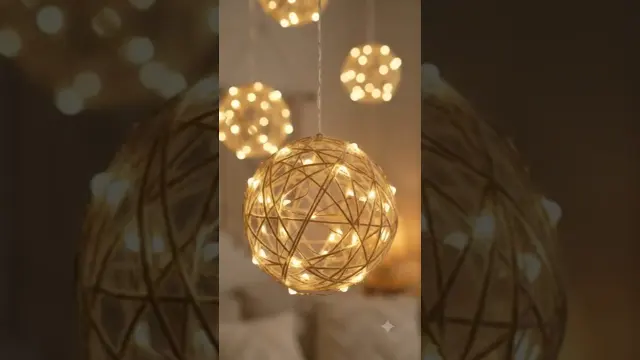 Glowing Hanging Light Globes Made From Twine and Fairy Lights
 DIY Christmas Ornament Hoop Wreath with Fairy Lights
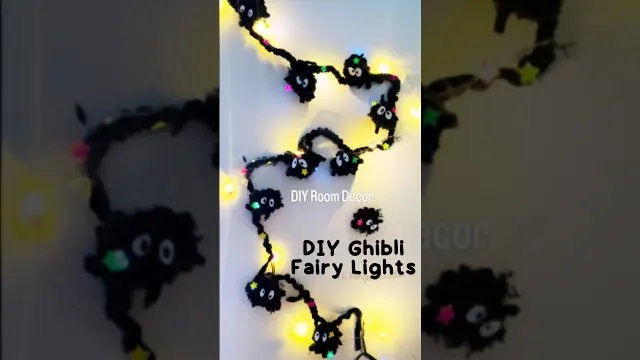 Ghibli Inspired Fairy Lights Room Decor Tutorial
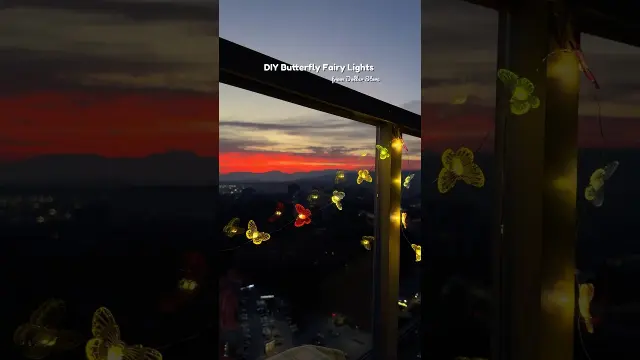 Budget Butterfly Fairy Lights Using Dollar Store Materials
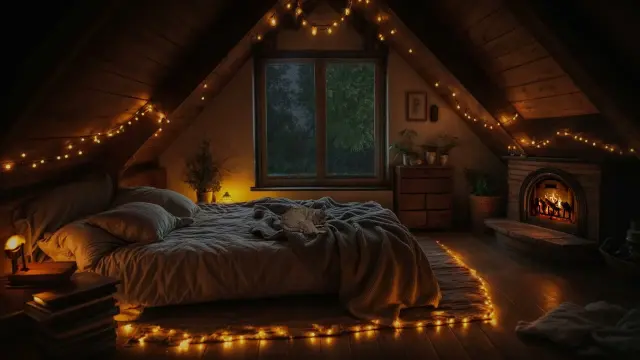 Cozy Attic Night Ambience with Warm Fairy Lights and Rain
 Easy DIY Christmas Bottle Lights with Greenery
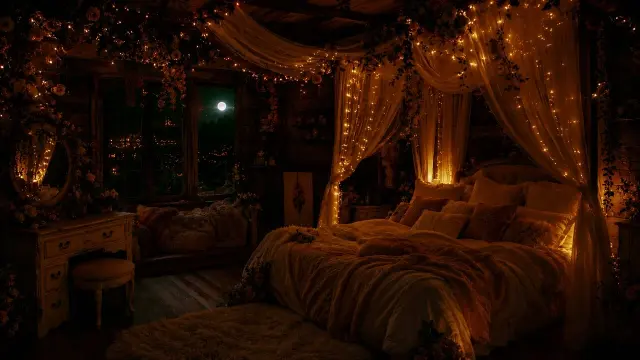 Enchanted Bedroom Ambience with Celestial Fairy Lights
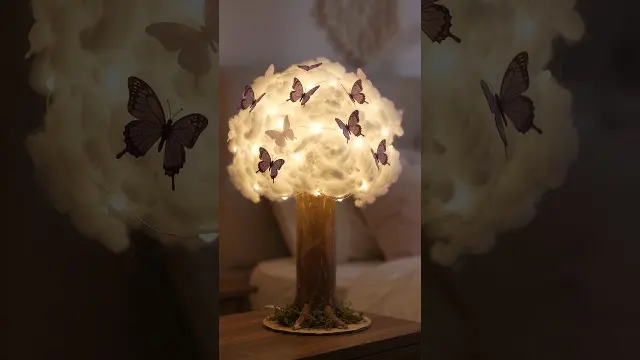 Cardboard Butterfly Fairy Tree Lamp Craft Project
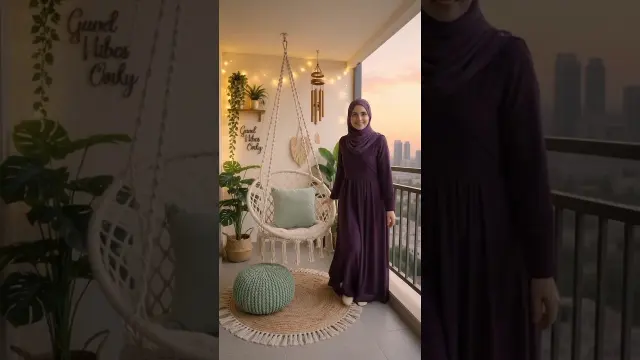 Luxury small balcony makeover with plants and lights
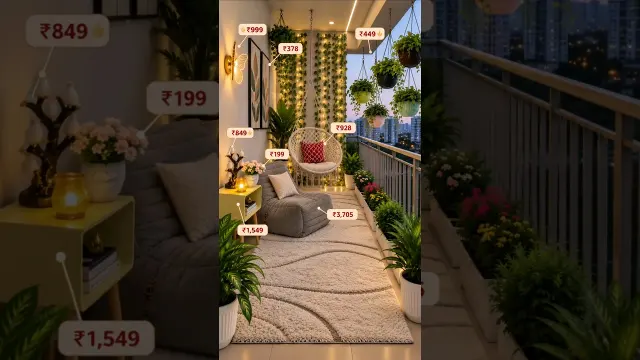 Colorful balcony makeover with lanterns and fairy lights
Get new #Fairy Lights ideas by email
Every Thursday: the week's best ideas, with the newest from #Fairy Lights.
Related tags
Fairy Lights: Gentle Light for Every Space
Fairy lights are small decorative lights strung along a flexible wire, often used to add a soft glow to rooms, gardens, celebrations, and seasonal displays. Their appeal comes from their delicate scale and the way they can make a space feel warm, calm, and a little magical. You can use them for everyday decorating or for special occasions, and they work just as well in a bedroom as they do on a balcony, shelf, table, or tree.
What fairy lights are
Traditionally, fairy lights began as small electric string lights used for festive decoration. Over time, they became a popular decorative element in homes, events, and outdoor spaces. Today, the term usually refers to any small string lights designed to be draped, wrapped, or arranged in decorative patterns. They may be simple white lights, coloured lights, or shaped lights, but the basic idea is the same: a fine line of light that adds atmosphere without overwhelming a space.
Common uses
Read more
Fairy lights are often chosen to soften hard edges and create a welcoming mood. You might use them to highlight a headboard, frame a mirror, brighten a shelf, dress a balcony railing, or add interest to a table setting. They are also widely used for weddings, parties, holidays, and children’s rooms because they create a gentle, inviting look.
In outdoor spaces, fairy lights can help turn a plain corner into a cosy retreat. Indoors, they can make a room feel more personal and relaxed. They are especially useful where full lighting feels too bright but complete darkness feels too plain.
Styles and types
There are many kinds of fairy lights, and the best choice depends on the look you want:
- Warm white lights for a soft, classic feel
- Cool white lights for a cleaner, brighter look
- Coloured lights for a playful or festive effect
- Micro lights with very fine wires for a delicate appearance
- Larger bulb string lights for a fuller, more noticeable glow
- Battery-powered lights for places without a nearby socket
- Plug-in lights for longer, continuous use
- Outdoor-safe lights for balconies, patios, and gardens
Some fairy lights are designed to be twisted around objects, while others are meant to hang in loose lines or curtains. A few come with simple shapes or decorative covers, but even the most basic string can be very effective.
How to use them well
For a balanced look, start with one clear focal point rather than placing lights everywhere. A row along a shelf, a cluster around a plant, or a single drape across a wall often looks more graceful than too many competing lines. Let the lights follow the shape of the space instead of forcing them into a pattern.
If you are decorating with fairy lights for the first time, keep these tips in mind:
- Choose a length that suits the area so the lights do not look crowded
- Use clips, hooks, or ties that won’t damage surfaces
- Make sure indoor and outdoor lights are used in the right setting
- Avoid covering lights with materials that can trap heat
- Keep the arrangement simple if you want a calm, elegant result
Fairy lights work best when they feel intentional, not cluttered. Whether you want a cosy room, a romantic setting, or a playful touch, they are an easy way to add gentle charm with very little effort.
Videos come from YouTube and posts from Instagram; titles and summaries are our own. All rights belong to their creators.