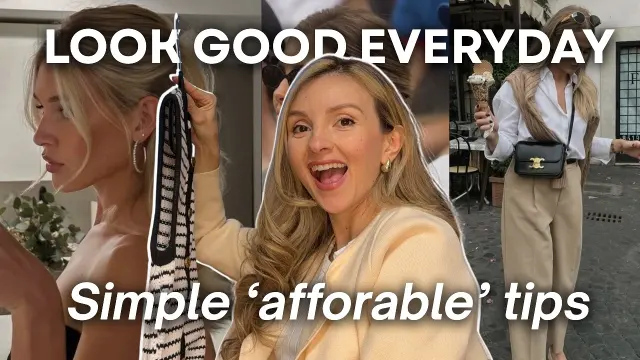
 The Psychology of Effortless Style and Personal Uniforms
#Fashion Psychology
3 ideas
The Psychology of Effortless Style and Personal Uniforms
 The Psychology Behind the Effortless Aesthetic
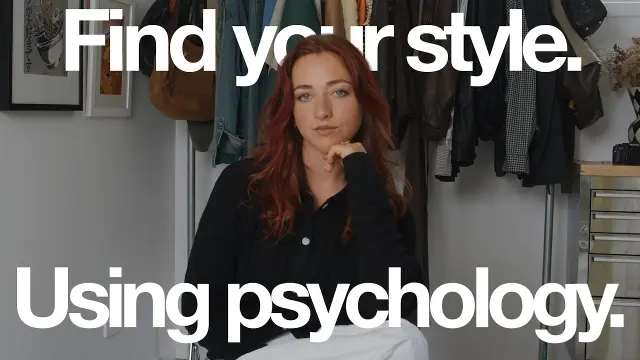 Using fashion psychology to find your personal style
Get new #Fashion Psychology ideas by email
Every Thursday: the week's best ideas, with the newest from #Fashion Psychology.
Related tags
Fashion Psychology and Personal Style
What fashion psychology means
Fashion psychology looks at the relationship between clothing and the mind. It explores how what you wear can influence how you feel, how you present yourself, and how others respond to you. It also considers the reverse: your mood, identity, values, and environment all shape the choices you make about dress.
Clothing has always carried meaning. Across cultures and time periods, people have used dress to show status, belonging, occupation, belief, or individuality. Today, fashion psychology helps explain why certain outfits feel powerful, comforting, playful, or out of place. It is less about rules and more about the subtle connection between appearance and self-perception.
Why clothing affects how you feel
Read more
When you get dressed, you are not only choosing fabric and color. You are choosing cues that can affect posture, confidence, and mindset. Some clothes may help you feel calm and grounded, while others make you feel polished, creative, or protected. This is partly because you associate garments with memories, roles, and expectations.
That is why a simple outfit can feel right one day and wrong the next. Your clothes do not create your personality, but they can support how you want to show up. Many people notice that when they dress with intention, they feel more focused and less distracted.
Identity, image, and self-expression
Fashion is one of the most visible ways people express identity. It can signal tastes, values, cultural background, and the version of yourself you want to communicate. Some people enjoy constant change, while others prefer a stable look or even a kind of personal uniform. Both approaches can be thoughtful.
A “signature style” does not have to be dramatic. It can be as simple as a preferred shape, color range, texture, or level of ease. The goal is not to dress for approval, but to build a wardrobe that feels coherent and authentic to you.
What shapes your style choices
Your style is influenced by many things, including:
- Comfort and practicality
- Cultural background and family habits
- Work, climate, and daily routine
- Body awareness and movement needs
- Memory, mood, and personal taste
- The message you want to send
Understanding these influences can make dressing less frustrating. If you know that you dislike fussy details, for example, you can choose simpler pieces that fit your lifestyle. If you feel strongest in structured clothes, you may naturally reach for tailored silhouettes.
How to use fashion psychology in everyday life
Begin by noticing how different outfits affect your mood. Which pieces help you feel relaxed? Which ones make you feel alert, elegant, or confident? Try to observe your reactions without judgment.
A few useful habits:
- Pay attention to what you wear when you feel most like yourself
- Notice which clothes you avoid and why
- Keep a small set of reliable pieces that suit your routine
- Choose colors, shapes, and fabrics that match your comfort level
- Dress with the day’s purpose in mind, not just habit
Over time, these observations can help you refine your wardrobe into something more personal and less random. Fashion psychology is not about dressing perfectly. It is about understanding yourself a little better through the clothes you choose.
#Fashion Psychology: frequently asked questions
How can I start using fashion psychology to find my personal style?
Start by paying attention to how different outfits make you feel during the day. Notice which clothes help you feel confident, calm, creative, or comfortable, and which ones you keep avoiding. Over time, those patterns can show you the colors, shapes, and fabrics that feel most like you.
What do I need to practice fashion psychology in everyday dressing?
You do not need a completely new wardrobe or a strict set of rules. What helps most is self-observation, a sense of your daily routine, and a willingness to notice how clothing affects your mood and confidence. A few reliable pieces that fit your lifestyle can be enough to begin.
Should I choose a signature style or keep changing my look?
Either approach can work well if it feels authentic. Some people feel best with a consistent personal uniform, while others enjoy variety and self-expression through frequent changes. The best choice is the one that supports your identity and makes dressing feel easier, not more stressful.
How do I choose clothes that fit the way I want to feel?
Think about the message you want to send and the mood you want to support. Structured pieces may help you feel more polished or composed, while softer or simpler clothing may feel more relaxed and easygoing. Choose items that match both your comfort level and the needs of your day.
What are common mistakes people make when applying fashion psychology?
A common mistake is dressing only by habit or for approval, instead of noticing what actually feels good. Another is ignoring comfort, movement, or daily routine, which can make even a stylish outfit feel wrong. It also helps not to judge yourself too quickly, since your style can change with mood and life circumstances.
Videos come from YouTube and posts from Instagram; titles and summaries are our own. All rights belong to their creators.