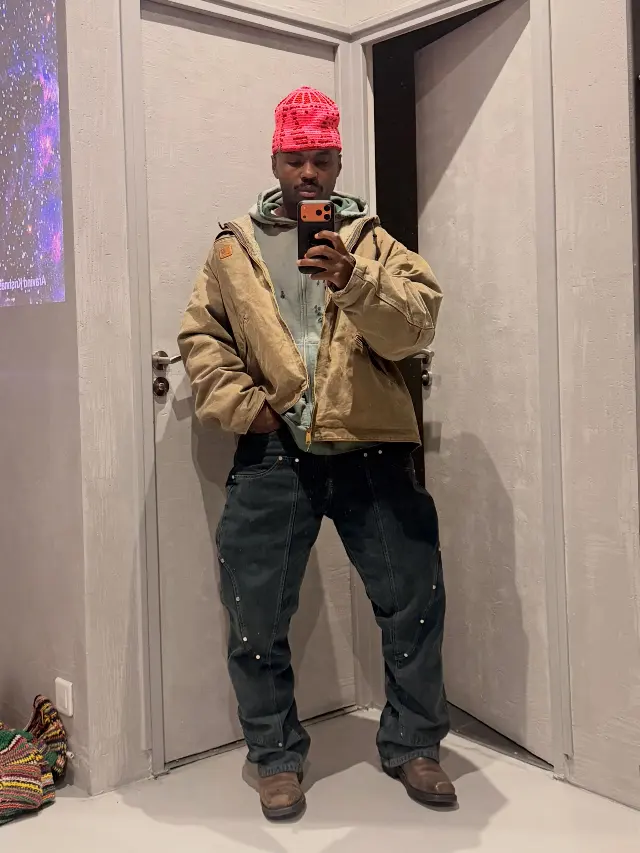
 Crochet Outfit Styling From a Fashion Designer
#Fashion Style
3 ideas
Crochet Outfit Styling From a Fashion Designer
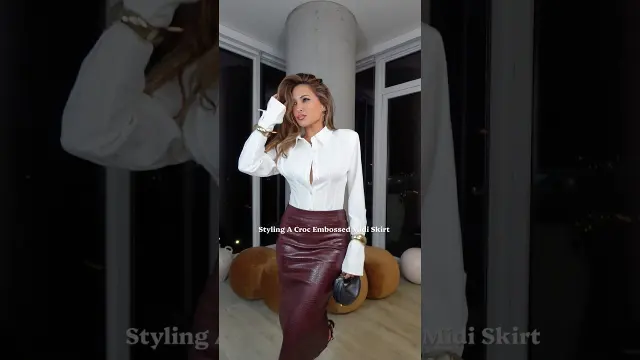 Styling a Croc Embossed Midi Skirt for an OOTD Look
Get new #Fashion Style ideas by email
Every Thursday: the week's best ideas, with the newest from #Fashion Style.
Related tags
Fashion Style: A Guide to Finding Your Own Look
Fashion style is the deliberate way a person puts clothes together: the shapes, colours, fabrics and accessories that repeat across an outfit and across a wardrobe. It sits somewhere between clothing, which is practical, and fashion, which is the wider conversation about what people wear. Style is the individual answer to that conversation — the part that belongs to you rather than to a season.
The idea that style is personal has a long history. For most of it, dress was governed by rank, profession, region and custom rather than choice. As ready-made clothing became common and people increasingly dressed for their own lives rather than their station, the notion of a personal look took hold, and with it the modern habit of reading someone's clothes as a statement about taste.
The main families of style
Most labels you will hear describe a handful of broad directions.
Read more
- Classic: tailored, restrained, built on neutral colours and pieces that do not date quickly.
- Minimal: few items, clean lines, little pattern, emphasis on cut and fabric.
- Casual and sportswear-influenced: comfortable separates, jersey, denim, sneakers.
- Bohemian: loose layers, prints, natural textures and handcrafted accessories.
- Romantic: soft fabrics, florals, gathers and delicate detail.
- Edgy or street-influenced: leather, hardware, oversized proportions, contrast.
- Retro and vintage-inspired: shapes borrowed from earlier decades, worn with modern pieces.
These are useful shorthand, not rules. Most people move between several of them, and a look is usually more convincing when it mixes two directions than when it copies one perfectly.
Proportion, colour and fit
Three things do most of the work in any outfit. Proportion is the relationship between volumes: a loose top with a narrower bottom, or the reverse. Colour is easiest to manage by choosing a small palette you return to, then adding one accent. Fit matters more than size on the label — a garment that sits correctly at the shoulder, waist or hem reads as intentional even when it is relaxed.
Getting started
Begin with what you already own. Lay out the pieces you wear most and look for the pattern: the colours, shapes and fabrics that keep reappearing are the beginnings of your style. Build from there rather than replacing everything at once.
Keep a few practical habits. Try clothes on together rather than one at a time, since an outfit succeeds or fails as a whole. Note what you actually reach for on ordinary days, not only on occasions. When shopping, ask whether a new piece works with at least three things you already have.
Finally, treat comfort as part of style, not a compromise. Clothes you can move and sit and walk in change how you carry yourself, and that is a large part of what people notice. Trends are optional material; style is the part you keep.
#Fashion Style: frequently asked questions
How do I start building my own fashion style if I feel like I have none?
Start with the clothes you already wear most often and look for patterns in color, shape, fabric, and fit. Those repeated choices are usually the beginning of a personal style, and you can build from them instead of starting over.
What do I need to create a stylish outfit that looks intentional?
The main things are proportion, color, and fit. A clear balance of shapes, a small color palette, and pieces that sit well on your body will usually make an outfit look pulled together.
How do I choose between a fitted look and an oversized look?
Choose the one that matches how you want the outfit to feel, then balance it with the rest of the pieces. A loose item often works best with something more fitted, while an all-over oversized outfit usually needs careful shaping so it does not look shapeless.
What fashion style is best for everyday wear?
The best style is the one that fits your real life and feels comfortable to wear repeatedly. Casual, minimal, classic, and sportswear-influenced looks are popular for daily outfits because they are easy to mix and wear often.
How can I dress for a special occasion without losing my personal style?
Use the occasion as a guide, not a full costume. You can keep your usual style through your preferred colors, silhouettes, or accessories while choosing fabrics and details that feel a little more polished.
What are common mistakes people make when trying to define their style?
A common mistake is copying one look too literally instead of adapting it to your own wardrobe and body. Another is focusing only on trends or buying pieces that do not work with what you already own.
Videos come from YouTube and posts from Instagram; titles and summaries are our own. All rights belong to their creators.