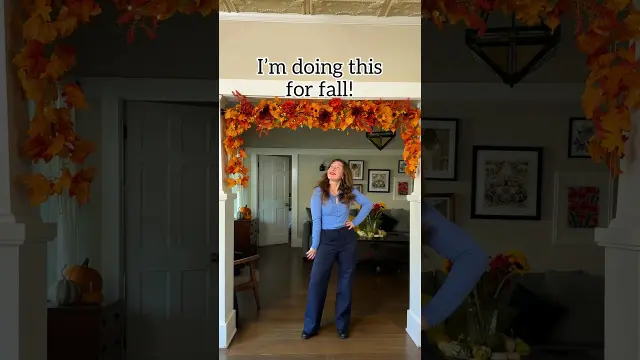
 Easy fall garland decor made with simple supplies
#Faux Flowers
1 ideas
Easy fall garland decor made with simple supplies
Get new #Faux Flowers ideas by email
Every Thursday: the week's best ideas, with the newest from #Faux Flowers.
Related tags
Faux Flowers: A Guide to Artificial Blooms
Faux flowers are artificial blooms made to look like the real thing, or to serve as decoration in their own right. They have a long history: people have shaped flowers from silk, wax, paper and clay for centuries, often to keep colour in a room through the months when nothing was flowering. What has changed over time is the craft — modern stems are usually built around a wire core with fabric, foam or moulded plastic petals wrapped and dyed to imitate the veins, shading and slight imperfection of a living plant.
What they are made of
The main families are fabric flowers, most often polyester or a polyester-silk blend; moulded flowers in polyurethane or latex, which give a soft, slightly weighted petal; paper flowers, popular for parties and craft projects; and carved or turned flowers in wood, clay or sola. Dried and preserved flowers sit in a neighbouring category — real plants that have been dried or treated to keep their shape, with a texture that is genuinely organic but fragile.
Within each material you will find a range of quality. Cheaper stems tend to be printed flat and uniformly coloured; better ones have layered petals, a realistic centre, a stem that bends and holds, and leaves with a slightly different finish on each side.
Read more
Choosing stems that convince
- Look at the back of the flower as well as the front. Realism usually breaks down there first.
- Touch it. Fabric should feel soft and slightly stiff, not slick; foam petals should have a little weight.
- Check the colour. Living flowers are rarely one flat shade — good faux ones shift from a deeper centre to a paler edge.
- Bend the stem. A wire core means you can shape the whole arrangement rather than fighting it.
- Buy in odd numbers and vary the height. Repetition is what makes an arrangement look artificial.
Using them well
Faux flowers earn their place wherever real ones struggle: dark corners, hot windowsills, hallways without natural light, holiday tables set days in advance, and rooms where pollen is a problem. They also allow you to keep a particular colour or species in view all year.
The most reliable trick is to mix them with something alive. A few stems among real greenery, or alongside a living houseplant, read as part of the room rather than as a display. Keep arrangements low and loose, let stems cross naturally, and resist filling every gap.
Care and keeping
Dust is the main enemy. A soft brush or a cool hairdryer on its lowest setting lifts it without disturbing the shape. Keep faux flowers out of direct sun, which fades dye, and away from radiators, which can make foam brittle. Most fabric stems can be gently steamed to revive crushed petals; paper and dried flowers cannot take moisture at all. Store them loosely wrapped in tissue, heads up, and they will last for years.
#Faux Flowers: frequently asked questions
How do I keep faux flowers from looking obviously fake in a room?
The most reliable approach is to mix them with something living — a few artificial stems tucked among real greenery or set beside a houseplant read as part of the room rather than as a display. Keep the arrangement low and loose, let stems cross naturally, and resist the urge to fill every gap. Realism comes from slight irregularity, so vary the heights and avoid repeating identical stems in a row.
What should I check before buying artificial flowers?
Turn the bloom over and look at the back, since that is usually where the illusion breaks down first, and touch the petals to see whether fabric feels soft but slightly stiff and foam has a little weight. Bend the stem — a wire core lets you shape the whole arrangement instead of fighting it. Also check the colour, because living flowers are rarely a single flat shade, and good faux ones shift from a deeper centre to a paler edge.
Are there different kinds of faux flowers, and which should I choose?
The main families are fabric stems, moulded foam or latex blooms, paper flowers, and carved or turned ones in wood, clay or sola, with dried and preserved real flowers sitting in a neighbouring category. Fabric and moulded flowers suit long-term display because they hold their shape, while paper and dried flowers are better for parties and short-lived decorations but cannot take moisture. Within any material, layered petals, a believable centre and leaves finished differently on each side mark out the better pieces.
How do I clean and store faux flowers so they last?
Dust is the main enemy, so lift it with a soft brush or a hairdryer on its coolest setting rather than washing the stems. Fabric flowers can usually be gently steamed to revive crushed petals, but paper and dried ones should never get wet. Keep them out of direct sun and away from radiators, and store them loosely wrapped in tissue with the heads up.
Where do faux flowers work better than real ones?
They earn their place anywhere real flowers struggle: dark corners, hot windowsills, hallways without natural light, tables set well in advance, and rooms where pollen is a problem. They also let you keep a particular colour or species in view right through the year, which is useful for seasonal decorating. The trade-off is texture and scent, so the best results usually come from using them alongside something genuinely alive.
What mistakes make an artificial arrangement look cheap?
Buying matching stems in bulk and standing them at the same height is the quickest way to make an arrangement look manufactured, so vary heights and let the stems cross. Choosing flat, uniformly printed blooms instead of layered petals with shaded centres is another common slip, as is skipping the back of the flower entirely. Finally, over-filling the vase and ignoring dust both undo the effect a convincing stem would otherwise give.
Videos come from YouTube and posts from Instagram; titles and summaries are our own. All rights belong to their creators.