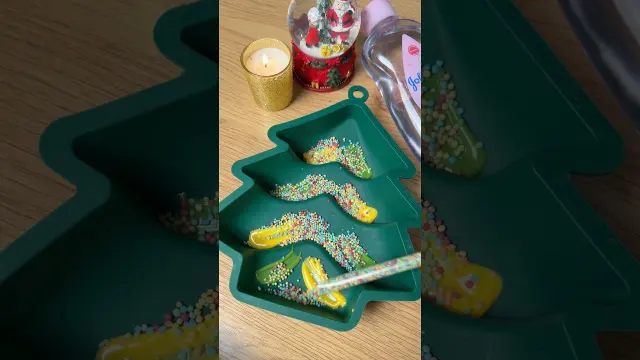
 Making a Dubai Chocolate Treat for the Christmas Season
#Festive Food
1 ideas
Making a Dubai Chocolate Treat for the Christmas Season
Get new #Festive Food ideas by email
Every Thursday: the week's best ideas, with the newest from #Festive Food.
Related tags
Festive Food: A Guide to Cooking and Sharing at Celebrations
Festive food is the cooking we do for occasions rather than for ordinary hunger: the meals, sweets and shared plates that belong to a particular day in the calendar. It exists in every culture, and its shapes differ enormously, but its purpose is remarkably consistent. Festive dishes are a way of marking time, of saying that this day matters more than the rest, and of gathering people around a table with a reason to stay there.
Where it comes from
Celebratory cooking grew out of scarcity as much as joy. Many traditional festival dishes were built around ingredients that were expensive, rare or simply available only once a year, which is why they often feature butter, sugar, nuts, dried fruit, or a cut of meat reserved for the occasion. Religion, harvest cycles and seasonal light all left their mark, so a dish that seems purely decorative today may once have carried a symbolic meaning: round shapes for the turning year, sweet things for a good wish, bread broken and shared.
The main kinds of festive table
Read more
- Feasting dishes: the centrepiece, usually slow-cooked, roasted or steamed, designed to feed a crowd and often served from a single large platter.
- Sweets and small bakes: biscuits, fried pastries, marzipan, fruit cakes and confectionery, frequently made in batches to be given away.
- Shared starters and nibbles: the food that appears before the meal proper, meant to be eaten standing up while people arrive.
- Drinks: mulled, spiced or sparkling, often the only thing that changes between an ordinary evening and a celebration.
- Gift food: preserves, sweets or baked goods made specifically to be wrapped and handed to neighbours, colleagues and hosts.
What beginners should know
Start with one dish that carries meaning for you or your family, rather than building an ambitious menu from scratch. Festive cooking is usually a poor moment to try an unfamiliar technique for the first time, because the day itself leaves little room for recovery. Choose recipes that tolerate being made ahead: many improve overnight, and anything that can be frozen or kept in a tin removes pressure from the final hours.
Read the whole recipe before shopping, and check your oven space honestly. Most home ovens cannot handle five dishes at once, and timing collapses when everything needs the top shelf.
Practical tips
- Write a timeline backwards from the hour you want to sit down, and put the tasks that can be done days earlier at the front of it.
- Cook in quantities that suit your fridge, not your optimism; leftovers are a pleasure only up to a point.
- Ask guests what they are bringing and assign the categories, so you do not end up with four desserts and no vegetables.
- Keep one simple, unfussy dish in reserve for the person who does not eat what everyone else is having.
- Remember that the table is the point. A modest meal shared without hurry will be remembered longer than a complicated one served in a state of exhaustion.
#Festive Food: frequently asked questions
How do I start cooking festive food if I've never done it before?
Begin with a single dish that carries meaning for you or your family, and build the occasion around it instead of assembling an entire menu from nothing. Try it once beforehand so the technique is familiar by the time the day arrives. You can add another dish next time round.
What do I need to prepare before I begin?
Read every recipe in full before you shop and note the equipment it assumes, since celebratory dishes often want a large roasting tin, a wide heavy pot or tins you may not own yet. Be honest about your oven and hob space, and decide early which parts can be done ahead. Anything that freezes or keeps in a tin takes pressure off the final hours.
Which kind of festive food should I choose for my gathering?
It depends on how people will actually be eating: a sit-down meal needs a slow-cooked centrepiece to anchor it, while a drop-in occasion suits shared nibbles, drinks and sweets made in batches. Gift food is the better choice when you would rather give something away than host. Match the category to the shape of the event, not to how impressive it looks.
How should I look after dishes I've made in advance?
Many celebratory dishes are better for being made ahead and benefit from resting before they are served, so cool them properly and store them somewhere consistently cold. Keep anything delicate away from heat and moisture, and reheat gently rather than quickly. Label what you've put away so nothing gets forgotten at the back of the fridge.
What are the most common mistakes people make with festive cooking?
The usual ones are attempting an unfamiliar technique on the day itself and planning more dishes than the oven can hold at once. Cooking for an imagined appetite rather than your actual guests and your actual fridge is another. A simpler menu with a realistic timeline almost always beats an ambitious one served in a state of exhaustion.
Can a festive treat be based on a trend rather than a tradition?
Yes, and it often works well, since celebratory cooking has always absorbed ideas from elsewhere and folded them into an occasion. Take a base you can already make reliably and add the new element to that, rather than building the whole thing from an untested recipe. It makes a good gift or a talking point at the table.
Videos come from YouTube and posts from Instagram; titles and summaries are our own. All rights belong to their creators.