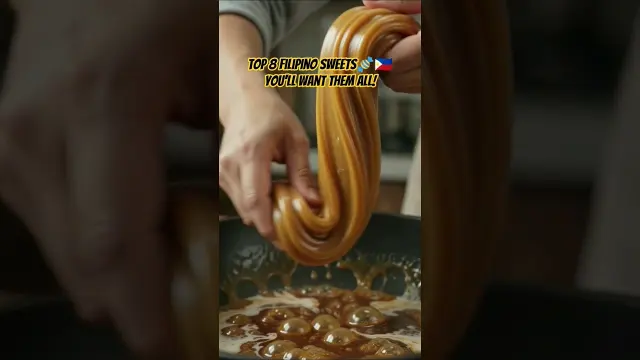
 Top eight traditional sweet treats from the Philippines
#Filipino Sweets
1 ideas
Top eight traditional sweet treats from the Philippines
Get new #Filipino Sweets ideas by email
Every Thursday: the week's best ideas, with the newest from #Filipino Sweets.
Related tags
Filipino Sweets: Traditional Treats and Flavors
What Filipino sweets are
Filipino sweets are a broad family of desserts and snacks made across the Philippines, often with rice, coconut, tropical fruit, sugar, milk, and root crops. Many of them are tied to family gatherings, fiestas, holidays, and everyday merienda, the light snack people enjoy between meals. Some are soft and sticky, some are creamy, and others are fried or baked, but most share a comforting balance of sweetness, texture, and aroma.
These treats reflect a mix of local ingredients and long culinary influences from Indigenous, Spanish, Chinese, and American traditions. Over time, Filipino cooks adapted outside ideas to what was available locally, creating desserts that feel distinctly their own.
Common kinds and ingredients
Read more
A lot of Filipino sweets fall into a few familiar groups:
- Rice-based desserts, often called kakanin, made with glutinous rice, rice flour, or rice cakes
- Coconut-based sweets, which use coconut milk, grated coconut, or coconut cream
- Syrup-soaked or caramelized desserts, where sugar adds shine and richness
- Creamy chilled desserts, often made with milk, fruit, or gelatin
- Fried or baked pastries, filled or topped with sweet mixtures
You’ll often see ingredients like sticky rice, cassava, ube, banana, jackfruit, young coconut, pandan, and sugar cooked into simple but flavorful combinations. Many desserts rely on texture as much as taste: chewy, soft, silky, or crunchy.
Well-known traditional examples
Filipino sweets include many regional and family variations, but some classic styles are widely loved:
- Rice cakes wrapped in leaves or shaped into small portions
- Sticky rice desserts cooked with coconut milk and sugar
- Layered desserts with custard, gelatin, or fruit
- Sweet rolls or buns filled with jam, coconut, or bean paste
- Fried treats coated with sugar or syrup
- Refreshing desserts served with ice, milk, or shaved ice
These sweets are often served at celebrations, after meals, or as an afternoon snack with coffee or tea. Some are meant to be eaten warm, while others are best chilled.
Tips if you want to make or enjoy them
If you are new to Filipino sweets, start with simple recipes that use a few ingredients and familiar techniques. Many of them depend on careful cooking of rice, coconut milk, or syrup, so patience matters. Stir gently when a dessert is thickening, and watch the heat so nothing scorches.
A few practical tips can help:
- Use ripe fruit for a fuller, naturally sweeter flavor
- Taste as you go, since sweetness can vary from one recipe to another
- Keep an eye on texture; many desserts should be soft but not mushy
- Let chilled desserts set fully before serving
- Serve sticky rice cakes or coconut-based sweets in small portions, since they can be rich
Why they are so loved
Filipino sweets are loved for their comfort, variety, and sense of occasion. They can be simple or elaborate, rustic or festive, but they usually feel generous and homey. If you enjoy desserts with deep texture, coconut aroma, and gentle sweetness, Filipino sweets offer a rich tradition to explore.
#Filipino Sweets: frequently asked questions
How should a beginner start with Filipino sweets?
Begin with the simpler side of the tradition: a single rice cake, a coconut-milk pudding, or a fried sugar-coated treat that calls for only a handful of ingredients and one pan. Pick something you can taste as it cooks, so you learn how the sweetness and texture are supposed to feel before you take on a layered or multi-step dessert. Once one comes out well, the rest of the family of sweets becomes much easier to read.
What ingredients and equipment do I need on hand?
The core pantry is short: glutinous rice or rice flour, coconut milk or grated coconut, sugar, and something aromatic like pandan, plus fruit such as banana, jackfruit, or ube when a recipe calls for it. A heavy-bottomed pot is the one piece of equipment worth having, because these desserts thicken and caramelize quickly and a thin pan scorches them. A whisk or wooden spoon for gentle stirring and a shallow dish for setting chilled desserts cover most of what you'll make.
Which kind of Filipino sweet should I choose?
Choose by the texture you enjoy rather than by name. If you like chewy and substantial, go for the rice-based cakes; if you prefer silky and cold, look at the creamy chilled desserts and layered ones; if you want something crisp and shareable, the fried and syrup-coated treats are the easiest place to start. Occasion matters too, since some are best eaten warm the same day while others are meant to be made ahead and served cold.
How do I store and serve them so they stay good?
Treat warm sweets and chilled sweets differently: rice cakes and coconut desserts are at their best soon after cooking, while custard, gelatin, and fruit-based desserts need time to set fully in the refrigerator before serving. Cover anything coconut-based tightly, since it picks up other smells easily, and keep portions small because these desserts are rich. Reheating gently, with a splash of coconut milk or water to loosen it, brings back the soft texture of a sticky rice cake.
What are good ideas for serving these at a gathering?
Build a spread around contrast instead of volume: one chewy rice cake, one creamy chilled dessert, and one fried or caramelized treat gives guests variety without any single dish dominating. Serve them in small portions on one table after the meal or as an afternoon snack alongside coffee or tea, which is how they are usually enjoyed at home. Making one or two things well feels more generous than making many things in a rush.
What mistakes do people commonly make?
The usual trouble is heat: coconut milk and sugar syrups catch and scorch fast, so a low flame and constant gentle stirring do more for the result than any special ingredient. Underripe fruit is the second one, since the natural sweetness of banana, jackfruit, or ube carries much of the flavor and sugar can't fully make up for it. And rushing the chilling step leaves layered and creamy desserts soft and slumped instead of cleanly set.
Videos come from YouTube and posts from Instagram; titles and summaries are our own. All rights belong to their creators.