 Understanding Whole Life Insurance Dividends Versus Interest
#Finance
11 ideas
Understanding Whole Life Insurance Dividends Versus Interest
 How to Properly Fill Out IRS Form 1040 for Federal Taxes
 Ten Steps to Financial Freedom and Managing Money Better
 Enrolled Agent Tax Training Individual Exam Preparation Course
 Using AI Design Skills to Build Interactive Finance Tools
 Series 6 Exam Practice Questions and Review
 A Complete Guide to Understanding Different Finance Jobs
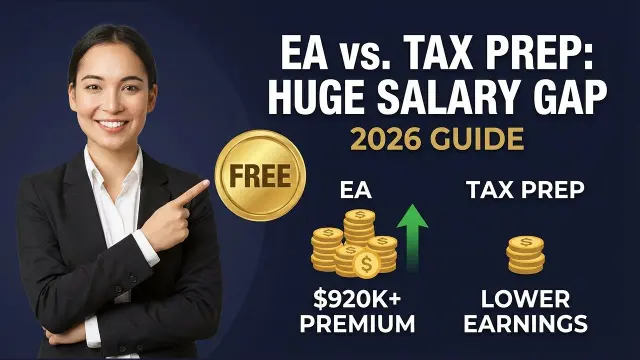 Enrolled Agent vs Tax Preparer Career Earnings and Requirements
 Property and Casualty Insurance Exam Comprehensive Study Guide
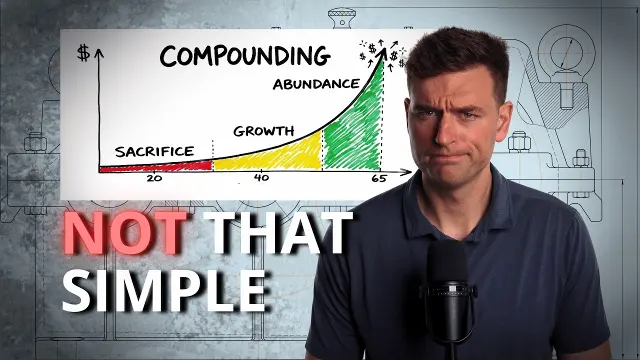 Debunking the Biggest Myths in Personal Finance
 Six Practical Steps Toward Achieving Financial Freedom
Get new #Finance ideas by email
Every Thursday: the week's best ideas, with the newest from #Finance.
Related tags
Finance Basics for Everyday Money Management
What finance means
Finance is the management of money: how it is earned, spent, saved, borrowed, invested, and protected. In everyday life, finance affects your household budget, your ability to handle unexpected costs, and your long-term plans. It also includes public finance, business finance, and personal finance, but for most people it starts with simple choices about income and expenses.
At its core, finance is about making informed decisions with limited resources. Good financial habits do not require a high income. They usually start with awareness, consistency, and a clear plan.
Main areas of finance
Read more
Personal finance covers the money decisions you make for yourself and your family. This includes budgeting, saving, debt management, insurance, retirement planning, and investing.
Business finance focuses on how companies raise money, use it, and measure performance. This can involve cash flow, credit, capital, and planning for growth.
Public finance is about how governments collect and spend money through taxes, budgets, and public services.
For most readers, the most useful starting point is personal finance, because it supports everyday stability and future goals.
The basics to understand first
A budget helps you see where your money goes. It does not have to be complicated. Start by listing your income, fixed expenses, flexible spending, and savings goals. A simple budget can reveal habits that are easy to miss.
Saving gives you a cushion for irregular or unexpected costs. Even small amounts set aside regularly can help you avoid relying on credit for every emergency.
Debt can be useful when it is manageable and used carefully, but high-interest debt can become expensive quickly. If you borrow money, it helps to understand the repayment terms, interest rate, and total cost.
Investing is the practice of putting money into assets with the goal of growth over time. It carries risk, so it is best approached with a long-term mindset and a basic understanding of what you own.
Common finance tools and ideas
- Cash flow: the money coming in and going out over a period of time
- Assets: things you own that have value
- Liabilities: money you owe
- Interest: the cost of borrowing or the return earned on savings or investments
- Risk: the chance that an outcome will differ from what you expected
- Diversification: spreading money across different assets or categories to reduce dependence on one outcome
Practical tips for beginners
Start by tracking your spending for a month. You do not need perfect records, only a clear picture.
Build an emergency fund before taking on larger financial goals if you can.
Pay attention to recurring bills and subscriptions, because small amounts add up over time.
If you are considering investing, make sure you first understand your basic budget and debt situation.
Be cautious with financial advice that promises easy results. Healthy finance is usually steady, realistic, and patient.
A lasting approach
Finance becomes easier when you treat it as a habit rather than a one-time project. Review your money regularly, keep your goals simple, and adjust when your life changes. Whether you are saving for a short-term need or planning for the future, the same principles apply: spend intentionally, borrow carefully, and make room for savings whenever you can.
Videos come from YouTube and posts from Instagram; titles and summaries are our own. All rights belong to their creators.