 Micro Habits for Better Financial Literacy
#Financial Literacy
4 ideas
Micro Habits for Better Financial Literacy
 Tiny Habits to Improve Financial Literacy
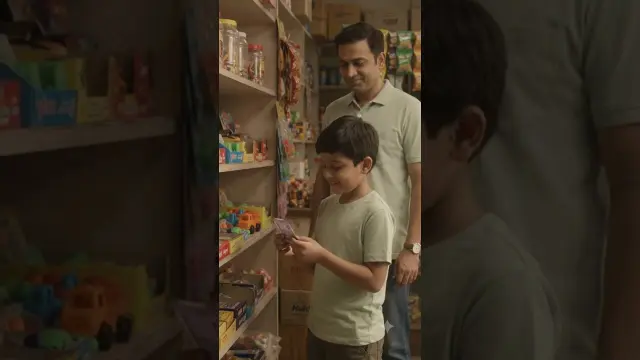 Tracking Daily Family and Child Expenses Easily
 Family Finance Made Easy with Money, Taxes, and Credit
Get new #Financial Literacy ideas by email
Every Thursday: the week's best ideas, with the newest from #Financial Literacy.
Related tags
Financial Literacy: A Beginner's Guide to Money Skills
Financial literacy is the set of everyday skills that let you understand, manage and plan the money in your life. It is less about becoming an expert investor and more about knowing what your money is doing, why it is doing it, and what choices you have. Someone who is financially literate can read a payslip, compare two offers fairly, build a budget they can actually keep, and recognise when a decision needs more thought or advice.
The idea grew out of consumer education and household economics: for generations, families learned money management at home, and schools and community programmes gradually turned that practical knowledge into something teachable. Today it is treated as a basic life skill, alongside cooking and first aid, because modern money is abstract. Income arrives as numbers on a screen, spending happens with a tap, and credit is offered before you have asked for it. When money is invisible, habits replace judgement unless you make them deliberate.
The core skills
Most financial literacy teaching comes back to a handful of connected ideas.
Read more
- Budgeting: knowing what comes in, what goes out, and what is left. A budget is a plan, not a punishment.
- Saving: setting money aside before it is spent, and giving each savings pot a purpose, from emergencies to celebrations.
- Borrowing and credit: understanding that borrowing costs money, that interest compounds, and that repayment history follows you.
- Interest and growth: grasping the difference between money working for you and money working against you.
- Risk and protection: knowing what insurance is for and what it is not for.
- Taxes and paperwork: keeping records, reading what you sign, and asking questions early.
Different households need these in different proportions. Someone freelancing needs invoices and tax records; a young family may care most about emergency funds and childcare costs; a student may need only a spending plan and a clear picture of any debt.
Where beginners should start
Begin with tracking rather than changing. For a month, note what actually leaves your account, without judgement. Most people find the picture surprising and useful in equal measure. Then set one small target you can meet, such as moving a modest amount to savings on payday, before the money has a chance to disappear into daily life.
Choose a system you will keep. Some people prefer a weekly envelope method with cash or separate accounts; others prefer a simple list and a monthly review. The method matters far less than the repetition.
Keep a buffer for the ordinary surprises — a repair, a replacement, a trip you forgot was coming — so that a small shock does not become debt.
Learn the vocabulary. Words like interest rate, minimum payment, premium, deductible and net income appear in almost every financial decision, and understanding them removes much of the fear.
Finally, talk about money. Financial literacy grows fastest in households where budgets, priorities and mistakes are discussed openly, including with children, in terms they can follow.
#Financial Literacy: frequently asked questions
How do I start learning financial literacy if I feel overwhelmed?
Start by simply tracking where your money goes for a while, without trying to fix everything at once. Once you can see the patterns, pick one small habit to change, like setting aside a little money before it gets spent.
What basic money skills are included in financial literacy?
Financial literacy usually covers budgeting, saving, borrowing, understanding interest, and keeping track of records and paperwork. It also includes knowing when a money decision needs more thought, especially if credit, taxes, or risk are involved.
Which money system is easiest to choose for beginners?
The best system is the one you can repeat consistently, whether that is separate accounts, a simple written list, or a cash-based method. A plan works best when it fits your routine and feels easy enough to keep using.
How can I build better financial habits without making money feel stressful?
Focus on small, repeatable actions instead of big sudden changes. Regular check-ins, simple goals, and open conversations about money can make it feel more manageable and less intimidating.
What are common mistakes people make when trying to manage money better?
A common mistake is relying on memory instead of tracking what actually happens, which can hide small spending leaks. Another is ignoring terms like interest, minimum payments, or fees, which can make a choice cost more than expected.
Videos come from YouTube and posts from Instagram; titles and summaries are our own. All rights belong to their creators.