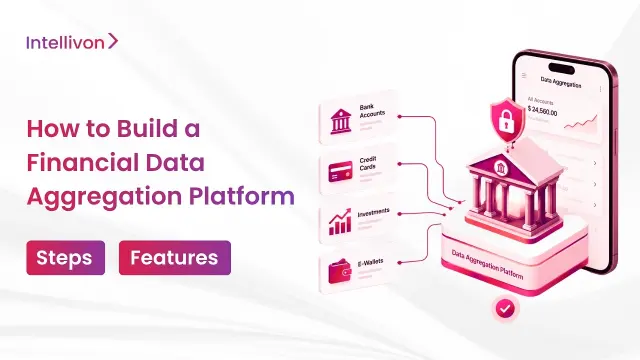
 Architecture Guide for Building Financial Data Platforms
#Financial Technology
1 ideas
Architecture Guide for Building Financial Data Platforms
Get new #Financial Technology ideas by email
Every Thursday: the week's best ideas, with the newest from #Financial Technology.
Related tags
Financial Technology: A Practical Guide
Financial technology, often called fintech, is the use of digital tools to improve how people and businesses manage money. It brings together finance and technology to make payments, banking, lending, investing, insurance, and accounting easier to access, faster to use, and more efficient to run. At its core, fintech is not a single product but a broad field of services built around software, data, and automation.
What financial technology includes
Fintech covers a wide range of services. Some tools help you send money or pay for purchases. Others help you budget, save, apply for credit, invest, or keep business records. Many are designed to replace slow manual processes with simpler digital ones. You may also see fintech used behind the scenes in banks, shops, and companies that need to move or manage money securely.
Common areas include:
- Digital payments and money transfers
- Online banking and mobile banking
- Personal finance and budgeting tools
- Lending and credit platforms
- Investment and trading platforms
- Insurance services and claims systems
- Business finance, bookkeeping, and payroll tools
Read more
Where it comes from
Financial technology grew as computers, the internet, and smartphones became part of everyday life. Financial services always relied on records, trust, and secure transactions, and technology made it possible to do these things more quickly and at a larger scale. As digital networks improved, many finance tasks moved from paper forms and branch visits to apps, websites, and automated systems. Today, fintech is part of both consumer finance and large-scale business infrastructure.
Main types and approaches
Fintech comes in several forms. Some services are built for individuals, such as apps that track spending or help you save. Others serve businesses, such as invoicing systems or payment processors. Some focus on moving money across borders, while others help users compare products or manage investments.
You can think of fintech in a few broad categories:
- Front-end tools: the apps and interfaces people use directly
- Back-end systems: the software that processes transactions and stores data
- Platforms: services that connect users, merchants, banks, and partners
- Infrastructure: tools that support identity checks, fraud prevention, and reporting
What beginners should know
If you are new to fintech, start by understanding the basics of security, convenience, and trust. Digital finance depends on accurate information and careful account protection. Use strong passwords, enable extra sign-in protection where available, and check that a service is reputable before sharing personal or financial details. It is also wise to understand how fees, transfers, account access, and customer support work before you commit to any tool.
Practical tips:
- Keep your login details private and unique
- Review statements and notifications regularly
- Learn how the service handles fees and refunds
- Make sure you understand what data is collected and why
- Use tools that fit your needs, not just the most complex ones
Why it matters
Financial technology has changed the way many people interact with money. It can save time, reduce paperwork, and make financial services more accessible. For businesses, it can improve speed, record-keeping, and decision-making. For individuals, it can make everyday money management feel clearer and more convenient. At the same time, good fintech always depends on careful design, clear communication, and responsible use of data.
#Financial Technology: frequently asked questions
What exactly is financial technology, and is it only for businesses?
Financial technology, or fintech, is the use of digital tools to handle money — paying, banking, budgeting, borrowing, investing, and keeping records. It serves individuals and businesses alike: some tools are consumer apps that track spending or send money, while others are back-office systems for invoicing, payroll, and payments. Think of it as a broad field rather than one product.
How do I get started with fintech if I'm completely new?
Start small and pick one task you already do regularly, such as paying bills or tracking spending, and try a tool built for that. Before signing up, read how the service handles fees, transfers, account access, and support so nothing surprises you later. Understanding those basics first makes the rest much easier to judge.
What should I check before trusting a new finance app or service?
Look for a clear explanation of who runs the service, what data it collects, and how it protects accounts. Use a unique password, turn on any extra sign-in verification offered, and be cautious about sharing personal details until you are satisfied the service is reputable. A legitimate provider should be able to explain its terms in plain language.
Which type of fintech tool is right for me?
Match the tool to the job you actually need done rather than choosing the most feature-heavy option. A simple budgeting app may serve you better than a full platform, and a small business may only need invoicing and bookkeeping rather than a complete payments stack. Choose what fits your routine and that you can comfortably learn to use.
What are common mistakes people make when they first use fintech?
The usual pitfalls are reusing passwords, ignoring notifications and statements, and skipping the fine print about fees, refunds, and data collection. Another is adopting a complicated tool before mastering a simple one, which leads to abandoned accounts and messy records. Reviewing activity regularly and keeping logins private prevents most of these problems.
How is fintech different from traditional banking?
Traditional banks are institutions that hold and move money under their own umbrella, while fintech describes the digital tools and systems used to do finance work — some built by banks, some by independent providers. Many fintech services sit on top of or alongside banks rather than replacing them, connecting users, merchants, and institutions. The distinction is about method and software, not a separate kind of money.
Videos come from YouTube and posts from Instagram; titles and summaries are our own. All rights belong to their creators.