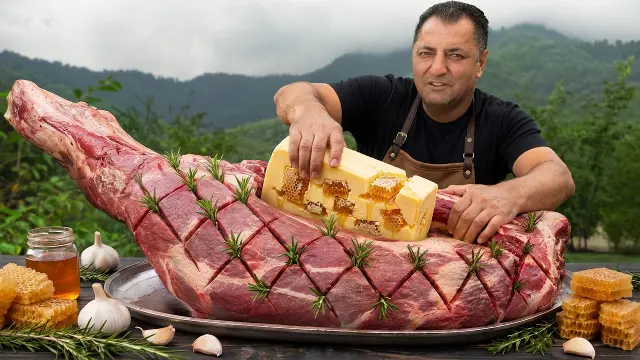
 Roasting a Massive Beef Leg Stuffed with Honey Butter
#Fire Cooking
1 ideas
Roasting a Massive Beef Leg Stuffed with Honey Butter
Get new #Fire Cooking ideas by email
Every Thursday: the week's best ideas, with the newest from #Fire Cooking.
Related tags
Fire Cooking Basics and Outdoor Flame Cooking
Fire cooking is one of the oldest ways to prepare food. It began long before modern kitchens, when people cooked over open flames, hot coals, and glowing embers. Today, it is still valued for the special flavor it gives food and for the simple, hands-on experience of cooking outdoors. Whether you are roasting, grilling, toasting, or baking in the ashes, fire cooking connects you to a slower, more elemental way of preparing a meal.
What fire cooking is
Fire cooking means using heat from wood fire, charcoal, embers, or flames to cook food directly or with simple equipment. The method can be rustic or refined. You might skewer vegetables over a campfire, roast meat on a spit, cook fish in foil near the coals, or use cast iron over glowing embers. The key is learning how to work with heat that changes as the fire burns.
Common styles and methods
Read more
There are several classic ways to cook with fire:
- Direct grilling: Food is placed over the fire or hot coals for quick cooking and browning.
- Indirect cooking: Food sits beside, not above, the heat, so it cooks more slowly and evenly.
- Roasting on a spit or rotisserie: The food turns as it cooks, helping it brown on all sides.
- Ash cooking: Vegetables or wrapped foods are placed in hot ashes or near embers for a gentle, earthy result.
- Dutch oven or pot cooking: A heavy pot is set in or near coals for stews, breads, and slow-cooked dishes.
What beginners should know
The most important skill is reading the heat. A strong flame is not always the best cooking heat. Often, glowing embers give steadier, more even warmth than tall flames. Let the fire settle if you want better control. You should also think about the size of the wood, the distance between food and heat, and how often you turn the food.
Start with simple ingredients that are forgiving, such as vegetables, sausages, flatbreads, corn, mushrooms, or thicker cuts of meat. These are easier to manage than delicate foods. Use sturdy tools, long tongs, heatproof gloves, and a stable cooking surface whenever possible.
Practical tips for better results
- Build a fire with both hot and cooler zones so you can move food as needed.
- Keep a spray bottle or a small container of water nearby for small flare-ups, if appropriate for your setup.
- Brush food lightly with oil if you want better browning and less sticking.
- Season simply at first; fire adds its own flavor.
- Let meat rest after cooking so the juices settle.
- Watch food closely, because open-fire cooking can change very quickly.
Safety and care
Fire cooking requires attention. Cook in a safe, open area and follow local fire rules. Keep children and pets at a distance. Never leave a fire unattended, and make sure it is fully extinguished when you are finished. Use clean tools and food-safe handling, especially when moving between raw and cooked foods.
Fire cooking is rewarding because it is both practical and deeply sensory. You listen to the crackle of the wood, watch the color of the coals, and learn to trust your eyes and nose as much as a timer. With a little practice, you can turn a simple fire into a flexible and memorable way of cooking.
Videos come from YouTube and posts from Instagram; titles and summaries are our own. All rights belong to their creators.