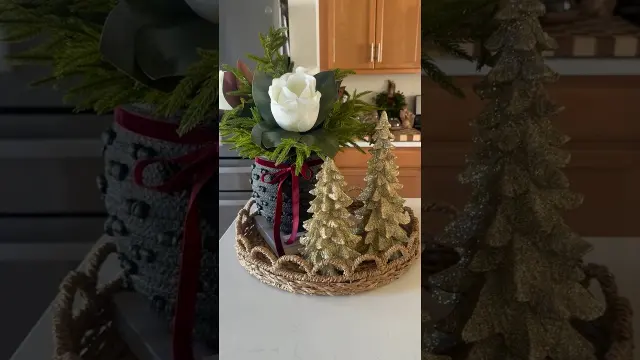
 Styling Natural Greenery and Magnolia Blooms for Holidays
#Floral Styling
2 ideas
Styling Natural Greenery and Magnolia Blooms for Holidays
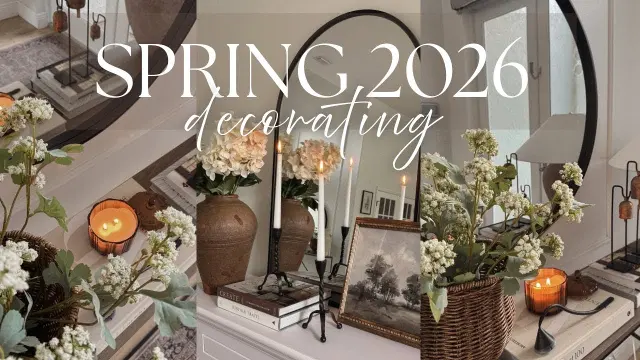 Cozy Spring Home Decorating and Floral Styling
Get new #Floral Styling ideas by email
Every Thursday: the week's best ideas, with the newest from #Floral Styling.
Related tags
Floral Styling Guide for Home and Events
What floral styling means
Floral styling is the art of arranging flowers and foliage so they look harmonious in a space, a photograph, or a special setting. It is used in homes, weddings, gatherings, shops, and editorial displays, but the idea is always the same: to shape flowers into something that feels balanced, natural, and expressive.
Unlike a simple bouquet, floral styling often considers the whole environment. The shape of the arrangement, the color palette, the vase or vessel, the table or room around it, and even the mood you want to create all matter. A good arrangement does not only show off the flowers; it supports the space they are in.
Common styles and approaches
Read more
Floral styling can be formal or loose, minimal or abundant. Some arrangements are structured and symmetrical, with careful spacing and clear outlines. Others are more organic, with flowers placed to suggest movement, softness, and a freshly gathered look.
You may also see styles that lean toward:
- Traditional arrangements, which often feel full, rounded, and polished
- Naturalistic arrangements, which use varied heights and a less perfect shape
- Minimal styling, where a few stems are chosen for strong impact
- Romantic styling, with soft colors and delicate textures
- Modern styling, which may use striking lines, unexpected vessels, or simpler compositions
The best style depends on the setting. A dining table may call for low arrangements that encourage conversation, while a mantel or entryway can handle something taller and more dramatic.
Working with shape, color, and texture
A successful arrangement usually relies on three things: shape, color, and texture. Shape gives the arrangement structure. Color sets the tone. Texture adds depth and keeps the design from feeling flat.
When choosing flowers, it helps to think about contrast. Round blooms can be paired with airy stems, while large flowers can be softened with smaller ones. Greenery is often useful because it connects the flowers and gives the arrangement a more finished look.
Color can be calm or bold, but it works best when you repeat it thoughtfully. Using too many unrelated colors can make an arrangement feel busy. A limited palette often looks more elegant, especially for beginners.
Practical tips for beginners
If you are new to floral styling, start simple. Choose fresh stems with different heights and shapes, then build slowly. It is usually easier to begin with a few main flowers and add supporting blooms and foliage around them.
A few useful habits:
- Trim stems before arranging them
- Remove leaves that would sit below the waterline
- Turn the arrangement as you work so it looks good from all sides if needed
- Step back often and check the overall balance
- Keep some negative space so the design can breathe
It also helps to choose a vessel that suits the flowers. A tall, narrow container supports long stems, while a wide bowl may need more structure. The container is part of the style, not just a holder.
A timeless way to use flowers
Floral styling is most successful when it feels connected to its surroundings. In a home, that may mean echoing the room’s colors or textures. For a celebration, it may mean shaping the flowers to suit the table, arch, or entrance. In every setting, the goal is the same: to make the flowers look intentional, graceful, and alive.
If you trust your eye, keep the arrangement simple, and let the natural character of the stems guide you, floral styling becomes less about perfection and more about creating a beautiful atmosphere.
#Floral Styling: frequently asked questions
How do I start with floral styling if I've never arranged flowers before?
Begin with a small number of stems rather than a large mixed bunch, choosing flowers that differ in height and shape so the arrangement already has some variety to work with. Build gradually, placing your main blooms first and then tucking supporting flowers and foliage around them. Stopping early is usually better than overfilling, since a simple design is easier to judge and adjust.
What do I actually need to get started, apart from flowers?
A clean, watertight vessel, a sharp pair of snips, and some greenery are really all you need to begin styling. The container counts as part of the design rather than a mere holder, so pick one whose shape suits the stems you have: tall and narrow for long stems, wider and heavier for fuller compositions. Fresh water and a tidy work surface complete the basic kit.
Which floral styling style should I choose for a room or an occasion?
Let the setting decide. Low, compact arrangements work well on a dining table because they keep sightlines open, while a mantel, entryway, or tall corner can carry something more dramatic and vertical. If you want a polished look, go structured and symmetrical; if you want something softer and more relaxed, lean toward loose, naturalistic shapes with varied heights.
How can I make an arrangement look balanced without overthinking it?
Rely on the trio of shape, color, and texture: shape gives the structure, color sets the mood, and texture keeps the design from looking flat. Repeat your colors deliberately instead of mixing many unrelated shades, and pair contrasting forms, such as round blooms with airy stems or large flowers with smaller ones. Stepping back regularly to check the whole composition helps you catch imbalances before they become a problem.
How do I keep a floral arrangement looking good after it's finished?
Trim the stems before arranging and remove any leaves that would sit below the waterline, since submerged foliage spoils the water and shortens the life of the flowers. Check the water regularly and top it up, refreshing it when it turns cloudy, and re-trim stems if the ends start to soften. Keeping the arrangement out of harsh heat and direct sun helps it hold its shape longer.
What are the most common mistakes beginners make with floral styling?
The usual culprits are cramming in too many stems, using far too many colors at once, and leaving no negative space for the design to breathe. Another frequent slip is choosing a vessel that fights the flowers rather than supporting them, or forgetting to turn the arrangement as you work so it looks good from more than one angle. Keeping things simple and building slowly avoids most of these.
Videos come from YouTube and posts from Instagram; titles and summaries are our own. All rights belong to their creators.