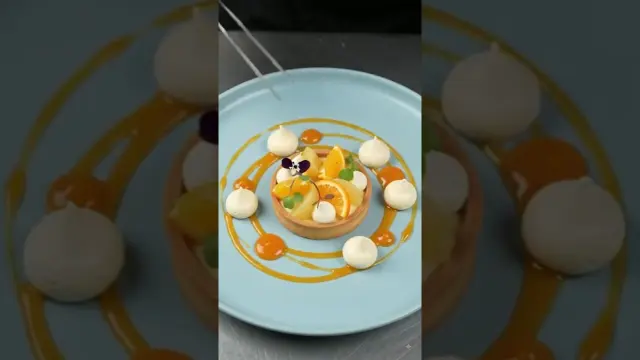
 Michelin Star Level Pastry Plating Ideas
#Food Presentation
1 ideas
Michelin Star Level Pastry Plating Ideas
Get new #Food Presentation ideas by email
Every Thursday: the week's best ideas, with the newest from #Food Presentation.
Related tags
Food Presentation Ideas and Principles
Food presentation is the art of arranging food so it looks inviting before the first bite. It is used in everyday cooking, home entertaining, restaurant dining, and special occasions. Good presentation does not mean making food look complicated. It means arranging the plate in a way that feels balanced, clear, and appetizing.
At its heart, food presentation combines color, shape, texture, and space. A well-presented dish usually has a clear focal point, enough contrast to be interesting, and a layout that makes sense for the type of food. The best presentation supports the meal rather than hiding it.
Common styles of food presentation
Different dishes call for different approaches. A simple family meal may look best when ingredients are neatly grouped rather than scattered. A composed plate often features one main item with sides arranged around it. Shared platters and bowls work well for casual meals, buffets, and gatherings because they feel generous and easy to serve.
Read more
You may also see more structured plating, where each element is placed carefully for a refined look. This style often uses clean edges, negative space, and deliberate garnish. Rustic presentation, by contrast, can feel warm and informal, with a more natural arrangement and visible textures.
What makes food look appealing
Color is one of the easiest tools to use. A plate with varied colors usually looks fresher and more lively. Texture matters too: smooth purées, crisp vegetables, tender proteins, and crunchy toppings can make a dish feel more interesting.
Shape and height also help. A flat plate can look more dynamic when food is stacked lightly or arranged with some variation in level. Still, balance is important. Too much height can make a dish unstable, while too much crowding can make it look messy.
Negative space is another useful idea. Leaving some empty space on the plate helps the food stand out and makes the arrangement feel cleaner. The plate itself matters as well; the shape and size should suit the portion and the style of the meal.
Simple techniques beginners can use
- Choose a plate that gives the food room to breathe.
- Keep the plate clean and wipe away drips before serving.
- Place the main ingredient first, then add sides and garnish around it.
- Use odd numbers of small items when it feels natural, as they can look more balanced.
- Add garnish only if it makes sense with the flavors in the dish.
- Repeat colors or shapes across the plate to create harmony.
- Serve food at the right temperature, since presentation is affected by freshness and texture.
Practical tips for everyday meals
Start with neat cutting and even portions. Uniform pieces tend to look more polished and cook more evenly. Think about contrast: a pale dish may benefit from herbs, a bright side, or a darker serving surface. Sauces can be drizzled, pooled, or served separately, depending on the look you want.
Most importantly, aim for clarity. A guest should be able to tell what the dish is at a glance. Presentation is strongest when it feels natural, practical, and true to the food itself.
Videos come from YouTube and posts from Instagram; titles and summaries are our own. All rights belong to their creators.