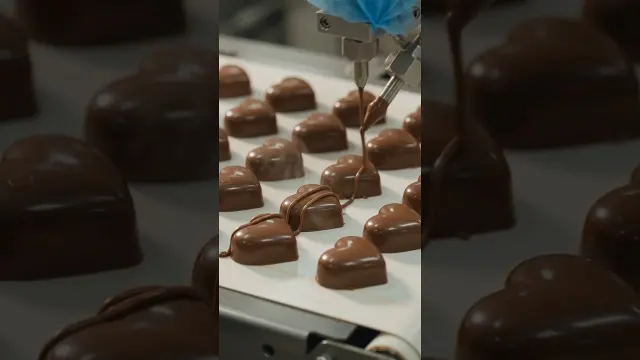
 Industrial Factory Production Of Heart-Shaped Chocolate
#Food Production
2 ideas
Industrial Factory Production Of Heart-Shaped Chocolate
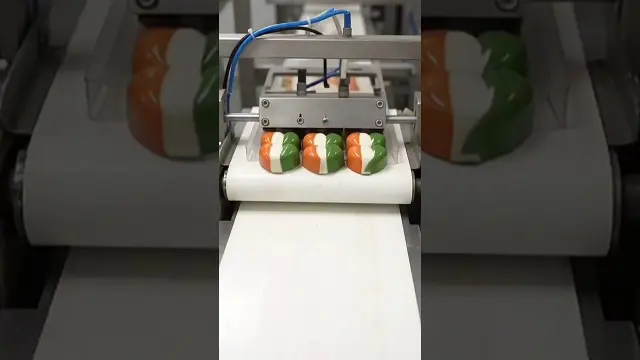 Factory Process Of Making Tricolor Heart Chocolates
Get new #Food Production ideas by email
Every Thursday: the week's best ideas, with the newest from #Food Production.
Related tags
Food Production Explained
Food production is the process of turning raw ingredients into food that people can buy, store, cook, or eat. It includes everything from cleaning and preparing ingredients to mixing, cooking, shaping, preserving, packaging, and distributing the final product. Food production can happen in a home kitchen, a small workshop, or a large industrial facility, but the basic goal is always the same: make food that is safe, consistent, and suitable for use.
What food production includes
Food production covers many kinds of work. Some foods are made with simple preparation, such as baking bread or cooking jam. Others go through several steps, such as grinding, blending, heating, cooling, molding, drying, or freezing. The process also includes checking quality, labeling, storing, and moving products so they stay in good condition.
Main kinds of food production
Read more
There are many forms of food production, depending on the ingredients and the final result.
- Bakery production for bread, cakes, biscuits, and pastries
- Confectionery production for chocolate, sweets, and candy
- Dairy production for milk-based foods such as cheese and yogurt
- Meat, fish, and plant-based processing for prepared proteins
- Beverage production for drinks, juices, syrups, and other liquids
- Canning, freezing, drying, and fermenting for longer shelf life
Some products are made to be ready to eat, while others are meant to be finished at home by the consumer.
Common methods and techniques
Many food products are shaped by familiar techniques. Mixing combines ingredients evenly. Heating changes texture and helps with cooking or preservation. Cooling and freezing slow spoilage. Drying removes moisture, which can help food last longer. Fermentation uses natural processes to develop flavor and texture in foods such as bread, yogurt, and pickled items. Molding and shaping are used for products like chocolates, sweets, and baked goods, where appearance matters as much as taste.
What beginners should know
If you are learning about food production, start with cleanliness and consistency. Good hygiene, careful measuring, and proper storage are essential. Ingredients should be handled safely, and surfaces, tools, and containers should stay clean. It also helps to understand how moisture, temperature, and time affect a recipe or process.
Begin with simple products before moving on to more complex ones. A short ingredient list and a clear method make it easier to notice what works. Keep notes on preparation steps, batch size, texture, and shelf life. This helps you repeat a successful result later.
Practical tips
- Use fresh, good-quality ingredients whenever possible
- Measure carefully to keep results consistent
- Keep raw and finished foods separate
- Store products at the right temperature for their type
- Pack foods in clean, suitable containers
- Check texture, smell, and appearance before use or sale
Food production is both practical and creative. Whether you are making a family recipe or a larger batch for distribution, success usually depends on careful preparation, reliable methods, and respect for food safety.
Videos come from YouTube and posts from Instagram; titles and summaries are our own. All rights belong to their creators.