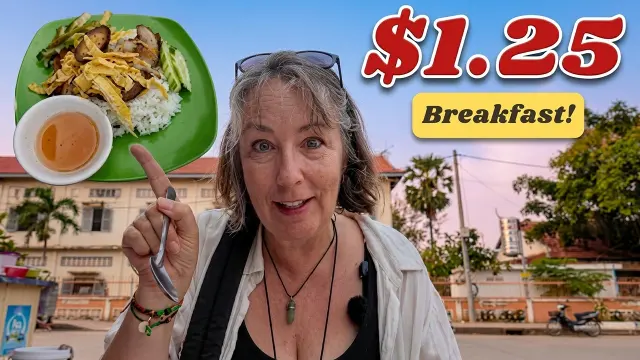
 Morning breakfast walk through Siem Reap streets
#Food Walk
2 ideas
Morning breakfast walk through Siem Reap streets
 Evening food walk along the riverside in Siem Reap
Get new #Food Walk ideas by email
Every Thursday: the week's best ideas, with the newest from #Food Walk.
Related tags
Food Walks: A Guide to Walking and Eating
What a food walk is
A food walk is a simple way to explore a place through its food. Instead of sitting down for one long meal, you move from one stop to another on foot, tasting small dishes, snacks, or drinks along the way. A food walk can happen in a city, a neighbourhood, a market area, or near a waterfront, and it often gives you a stronger sense of everyday local life than a single restaurant visit.
Food walks have long been part of street-food cultures around the world. In many places, people naturally buy breakfast from one stall, a savoury snack from another, and something sweet or refreshing somewhere else. The idea is not new; it grows out of ordinary daily eating and local walking routes.
What you might eat
Read more
The exact foods depend on the place, but food walks often include small portions that are easy to carry and eat while moving slowly. You might try:
- savoury snacks
- baked or fried street foods
- soups or noodle dishes in simple bowls
- sweet treats
- fresh fruit
- tea, coffee, or juice
A good food walk usually focuses on variety. You may choose a few very different dishes rather than a large amount of one thing. This lets you taste more of the local kitchen without feeling too full too quickly.
How to enjoy a food walk
A food walk is easiest when you pace yourself. Start with a light appetite, share portions if that makes sense, and leave room for later stops. Walking between bites also helps you notice the surroundings: shopfronts, smells, sounds, and the rhythm of the street.
If you are planning your own food walk, it helps to:
- choose a route that is comfortable to walk
- wear shoes that are good for standing and moving
- carry water
- bring small cash if needed
- keep napkins or tissues handy
- wash or sanitise your hands when you can
It is also wise to pay attention to freshness and cleanliness, especially with foods that are meant to be eaten immediately. If something looks or smells off, it is better to skip it and choose another stop.
Different kinds of food walks
A food walk can take many forms. Some people prefer a self-guided stroll, stopping wherever something looks appealing. Others like a more planned route with specific dishes in mind. You might build a food walk around:
- breakfast foods
- market snacks
- sweet treats
- regional specialities
- evening street food
- a mix of savoury and sweet bites
Each style offers something different. A morning food walk may feel calm and local, while an evening route can be livelier and more crowded.
A few beginner tips
If you are new to food walks, begin with a simple route and a few stops rather than trying to taste everything. Ask what dishes are typical, and be open to unfamiliar flavours. You do not need to know everything in advance; part of the pleasure is discovering what people eat in daily life.
Most of all, keep the experience unhurried. A food walk works best when you move slowly, taste thoughtfully, and let the place reveal itself one bite at a time.
#Food Walk: frequently asked questions
How do I start planning a food walk?
Start by picking a compact area you can cover comfortably on foot, such as a market district, an old quarter, or a riverside stretch. Walk the route once without eating to note which stalls look busy and clean, then plan a handful of stops rather than a full day of eating. Keep the plan loose enough that you can follow whatever smells good along the way.
What should I bring on a food walk?
Comfortable shoes matter most, since you will be standing and moving between stops for a while. Carry water, napkins or tissues, and a little cash in case small vendors do not take cards. Hand sanitiser is also useful because much of what you eat is meant to be picked up and eaten right away.
Should I choose a guided food walk or go on my own?
A guided walk is helpful if you want someone to explain what dishes are typical and to handle ordering in an unfamiliar language. Doing it yourself gives you more freedom to linger, change direction, or return to a stop you liked. Many people try a self-guided stroll first and book a guide later for a deeper introduction.
How do I avoid getting too full too early?
Eat small portions and share dishes with whoever you are walking with, so each stop is a taste rather than a meal. Favour variety over volume, mixing savoury bites with fruit, drinks, or something sweet. The walking between stops naturally helps you digest and rebuild an appetite.
What are common mistakes on a food walk?
The usual one is over-planning and treating it like a checklist, which leaves you rushing and uncomfortably full. Another is choosing a stop purely because it looks busy without checking that the food is fresh and handled cleanly. Skipping something that looks or smells questionable is always safer than finishing it out of politeness.
What kind of food walk suits a morning versus an evening?
A morning walk tends to be calmer and more local, built around breakfast foods, baked goods, and drinks at stalls that serve people on their way to work. An evening route is livelier and more crowded, better suited to grilled and fried street food and shared plates in busier areas. Pick the time that matches whether you want a quiet wander or a social, energetic atmosphere.
Videos come from YouTube and posts from Instagram; titles and summaries are our own. All rights belong to their creators.