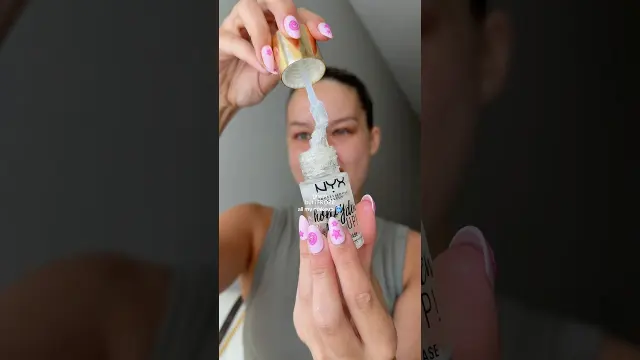
 Frozen-Themed Makeup Challenge With Icy Detail
#Frozen Makeup
1 ideas
Frozen-Themed Makeup Challenge With Icy Detail
Get new #Frozen Makeup ideas by email
Every Thursday: the week's best ideas, with the newest from #Frozen Makeup.
Related tags
Frozen Makeup: An Icy, Frosted Beauty Look Guide
Frozen makeup is the name given to a style of cosmetic look that borrows its visual language from winter: ice, frost, snow and the cold blue light of a clear January morning. Rather than a single product or technique, it is a mood translated into colour and texture, built on cool tones, high shine and skin that looks almost glassy. It appears most often at fancy-dress parties, winter weddings, photo shoots and costume events, and it is popular because it can be as subtle or as theatrical as the wearer wants.
Where the look comes from
The idea of a frosted face is older than any single trend. Theatre and ballet have long used pale, shimmering makeup to suggest snow, spirits and winter landscapes, and the same imagery runs through fairy tales, illustrations and winter folklore. What gave the look its modern name and its broad popularity was the costume tradition around winter-themed stories, where characters are dressed in pale blues, whites and silver. From there it moved into everyday beauty as a seasonal style: an icy eye, a cold-toned highlight, a pale lip.
The main variations
Read more
There is no fixed recipe, but most versions fall into a few recognisable directions.
- Subtle frost: cool taupe and champagne shades, a silvery highlight on the high points of the face, and a soft nude-pink lip. Suitable for daylight and for people who want a hint of the theme rather than a costume.
- Snow queen: a stronger look with silver, white or pale blue shimmer on the lids, a defined cool-toned crease, and a deeper berry or icy red lip for contrast.
- Glazed ice: emphasis on skin rather than eyes, using a dewy base, a glossy or wet-look finish on the lids and cheekbones, and very little powder.
- Theatrical ice: white or pale blue pigment used as a graphic element, crystals or fine glitter placed along the brow bone, cheekbone or lash line, and cooled-down contouring.
What beginners should know
Cool tones look very different on different complexions, so test shades on your own skin in daylight before committing to a full look. A pale blue that reads as frost on one person can read as bruising on another; silvery taupe and icy champagne are usually the safest starting points.
Keep the shimmer concentrated. Frost works through contrast, so one or two glossy, bright areas against a matte or satin base read more convincingly than an all-over sparkle.
Blend the edges of cool eyeshadows carefully, since pale shades show patchiness easily. A small brush and light layers work better than one heavy application.
Glitter near the eyes needs care: use cosmetic-grade glitter only, keep it away from the waterline, and remove it gently at the end of the night rather than rubbing.
Finally, remember that the look is a costume choice as much as a beauty one. If you are wearing it to an event, photograph it in the lighting you will actually be in, and keep the rest of your styling simple so the icy detail stays the focus.
#Frozen Makeup: frequently asked questions
What is frozen makeup, exactly?
It is a winter-inspired beauty look rather than a specific product — cool tones, high shine and skin that looks glassy, drawn from ice, snow and cold winter light. It works as a seasonal style for everyday wear or as full costume makeup, depending on how far you want to take it.
How do I start with a frozen makeup look?
Begin with a subtle version: cool taupe or champagne shades on the eyes, a silvery highlight on the high points of the face and a soft nude-pink lip. Test the cool shades on your own skin in daylight first, because a pale blue that looks frosty on one complexion can look bruising on another. Silvery taupe and icy champagne are the safest places to begin before adding stronger colour.
Which version of the look should I choose?
Pick according to the occasion and how theatrical you want to be: a subtle frost suits daylight and a hint of the theme, a snow-queen look with stronger shimmer and a deeper lip suits evening events, and a glazed-ice version puts the emphasis on dewy skin rather than eyes. Theatrical ice, with pale pigment used as a graphic element and crystals along the brow or cheekbone, is best kept for parties, shoots and costume events.
What do I need to have on hand, and what should I avoid?
You mainly need cool-toned eyeshadows, a cold-toned highlighter, a glossy or dewy base product and a lip in nude-pink, berry or icy red. For decoration, use cosmetic-grade glitter only, keep it away from the waterline, and remove it gently rather than rubbing. A small brush and light layers matter more than a big kit, since pale shades show patchiness easily.
What are the common mistakes with frozen makeup?
The usual ones are spreading shimmer everywhere instead of concentrating it — the frost reads through contrast, so a few bright glossy areas against a matte or satin base look far more convincing — and skipping the blending, which leaves cool shadows looking patchy at the edges. Another is testing the look only in bathroom light: photograph it in the lighting you will actually be seen in, and keep the rest of your styling simple so the icy detail stays the focus.
How do I care for the look through an event, and take it off afterwards?
Keep the shimmer where you placed it rather than adding more as the evening goes on, and avoid heavy powder over the glossy areas if you want to preserve the wet-look finish. At the end of the night, lift glitter off gently instead of rubbing, since the skin around the eyes is delicate. If the look is for a special occasion, wear it as a costume choice and plan the removal before you go out.
Videos come from YouTube and posts from Instagram; titles and summaries are our own. All rights belong to their creators.