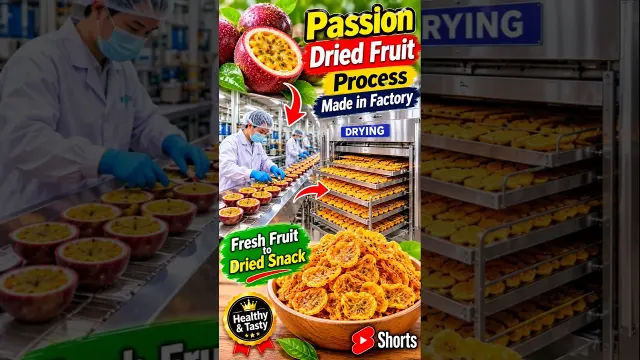
 Passion Fruit Drying: From Fresh Fruit to Packaged Snack
#Fruit Processing
4 ideas
Passion Fruit Drying: From Fresh Fruit to Packaged Snack
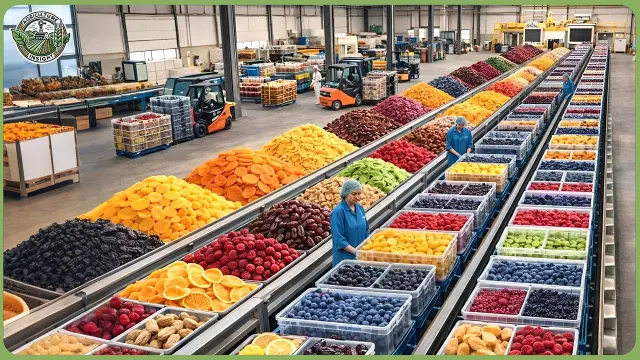 Inside Modern Dried and Frozen Fruit Factories at Industrial Scale
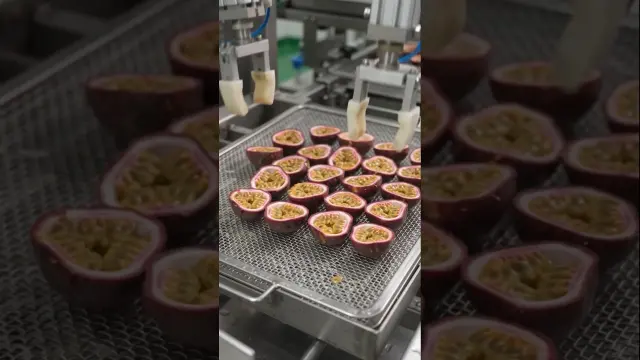 Inside a Factory: How Fresh Passion Fruit Becomes Dried Fruit
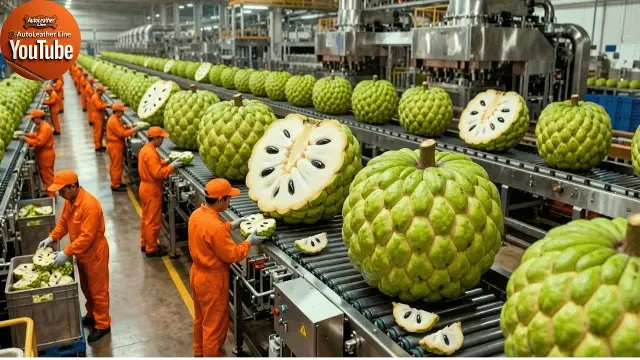 Inside the Commercial Custard Apple Factory Process
Get new #Fruit Processing ideas by email
Every Thursday: the week's best ideas, with the newest from #Fruit Processing.
Related tags
Fruit Processing: A Beginner's Guide to Preserving Fruit
Fruit processing is the set of methods used to turn fresh fruit into something that keeps — dried, frozen, bottled, spreadable or fermented — while holding on to as much flavour, colour and texture as possible. It is as old as agriculture: people have sun-dried figs and grapes, salted fruit and cooked it down with honey for thousands of years, long before refrigeration or factories existed. The goal has always been the same, to slow down the spoilage that happens when fruit meets air, warmth, light and time.
Fresh fruit is mostly water, which is exactly why it spoils so quickly. Nearly every processing method works by taking something away from that environment: water, air, or the micro-organisms that need both. Understanding this one idea makes the whole subject much easier to approach.
The main methods
- Drying and dehydration. Water is removed by sun, air or gentle heat until the fruit is leathery or crisp. Slices dry more evenly than whole fruit, and fruit with a little natural acidity keeps its colour better than very sweet, soft fruit.
- Freezing. Cold slows the work of enzymes and microbes, and it does so without cooking the fruit, but it does not switch them off entirely — which is why frozen fruit still has a limited shelf life and should be kept properly cold. Freezing fruit in a single layer first, then bagging it, keeps pieces separate instead of one solid block.
- Canning and bottling. Fruit is packed into jars, covered in syrup, juice or water, and heat-processed to seal it. This is the method where care matters most, because the seal and the acidity level are what keep the contents safe.
- Juicing and puréeing. Fruit is broken down into liquid or smooth pulp, then usually pasteurised or frozen to keep it stable.
- Jams, jellies and preserves. Sugar, acid and heat work together to set the fruit into a gel. Jelly is made from strained juice, jam from crushed fruit, and preserves keep whole or chunky pieces.
- Fruit leathers and snacks. Purée is spread thin and dried until pliable — a simple way to use up a glut.
- Fermentation and pickling. Fruit is preserved in brine, vinegar or its own sugars, developing tang and depth along the way.
Read more
What beginners should know
Start small, and start with ripe but not overripe fruit — soft, bruised fruit is already on its way out. Work clean: wash your hands, jars, knives and boards, and sterilise containers properly. Follow a tested recipe rather than improvising, especially for canning and jam setting, where proportions of sugar and acid genuinely matter.
Label everything with the contents and the date. Dry fruit in thin, even pieces and turn it now and then. Freeze in portions you will actually use. And taste as you go — processing is not a factory operation in a home kitchen, it is a conversation between you and the fruit in front of you.
#Fruit Processing: frequently asked questions
How do I get started with fruit processing at home?
Begin with ripe fruit that is still firm enough to handle, and choose a simple method like drying, freezing, or making a purée. Keep your work area clean, sterilise containers, and use a tested recipe when you are making anything that relies on a proper set or seal.
What kind of fruit is best for drying, freezing, or making preserves?
Fruit that is ripe but not overly soft usually gives the best results because it still has good flavour and shape. Sweeter, softer fruit is often better for jams, purées, or fruit leather, while firmer slices tend to dry more evenly.
What do I need for safe fruit canning and bottling?
You need clean jars, lids, a way to heat-process the filled jars, and fruit with the right level of acidity for the recipe you are following. The seal is especially important, so it is best to use a trusted method rather than guessing at the ingredients or timing.
How should I store processed fruit so it lasts longer?
Keep dried fruit in airtight containers away from heat and moisture, and freeze fruit in portions so it stays easy to use. Label each batch with what it is and when it was made so you can rotate older items first.
What are some common mistakes to avoid when processing fruit?
A common mistake is using fruit that is already too bruised or overripe, which can make the final result less stable and less appealing. Another is skipping cleanliness or improvising with recipes, especially for jams and canned fruit where the balance of sugar, acid, and heat really matters.
Videos come from YouTube and posts from Instagram; titles and summaries are our own. All rights belong to their creators.