 How Artificial Intelligence Works Explained
#Future
5 ideas
How Artificial Intelligence Works Explained
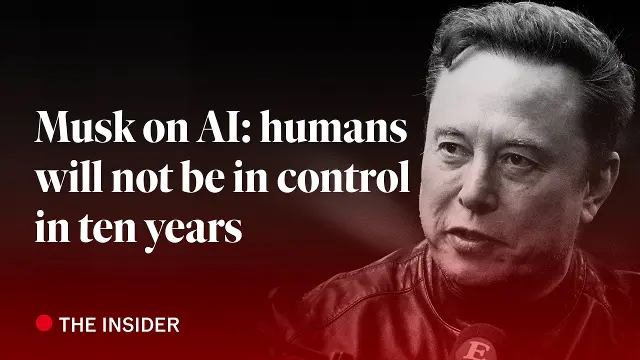 Elon Musk on Artificial Intelligence and the Future
 AI Safety Expert Explains Future Risks
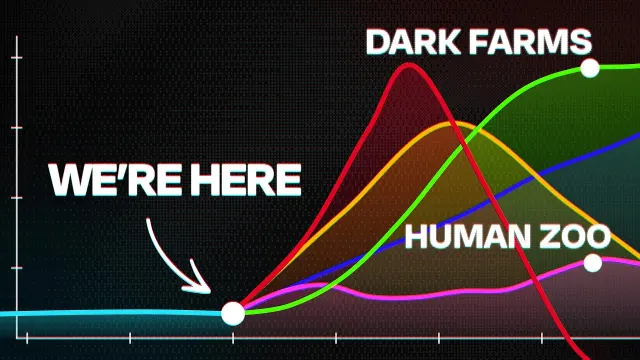 MIT Explains the Possible Endings for AI
 The Next 10 Years of Artificial Intelligence
Get new #Future ideas by email
Every Thursday: the week's best ideas, with the newest from #Future.
Related tags
Understanding the Future
The future is the time that has not yet happened. It is one of the simplest ideas to describe and one of the hardest to understand, because no one can see it directly. We imagine the future through memory, experience, patterns, and hope. It is shaped by nature, technology, society, and the choices people make every day.
People have always tried to make sense of the future. In many cultures, this has included stories, symbols, calendars, and forms of prediction. Today, the future is often discussed through planning, forecasting, and scenario thinking. We use it when we think about family life, work, climate, health, design, fashion, food, or the way communities might change over time.
What the future means
The future is not one fixed outcome. It is better understood as a range of possibilities. Some things change slowly, while others can shift quickly. A new idea, a social movement, a scientific discovery, or a personal decision can all influence what comes next. That is why the future is often described as uncertain, but not random.
Read more
This is also why people speak about different kinds of futures: likely futures, preferred futures, and unexpected futures. A likely future is what seems most probable based on current knowledge. A preferred future is the one you would like to create. An unexpected future is the one that surprises you.
How people think about it
Thinking about the future usually involves a mix of imagination and realism. It helps to ask practical questions: What is changing now? What tends to stay the same? What skills, habits, or values will still matter later? These questions are useful whether you are planning a career, a home, a celebration, or a long-term project.
A helpful way to think about the future is to avoid treating it as a single prediction. Instead, consider possibilities. This makes it easier to prepare without becoming fixed on one outcome. It also leaves room for flexibility, which is often one of the most useful skills when circumstances change.
Common ways to prepare for it
Preparation for the future usually means building adaptability. That can include learning new skills, keeping an open mind, saving time and energy for change, and making thoughtful decisions now. In everyday life, it also helps to break large plans into smaller steps. The future is easier to face when you are not trying to solve everything at once.
It is also useful to balance optimism with caution. Hope can give direction, but clear thinking helps you make choices that hold up over time. If you are making plans, ask yourself what matters most to you, what you can control, and what may need to remain open-ended.
A practical outlook
The future is always being made in the present. You do not need to know exactly what will happen to move forward well. A steady, thoughtful approach is often enough. Notice patterns, stay curious, and leave space for change. That is one of the most grounded ways to think about what comes next.
Videos come from YouTube and posts from Instagram; titles and summaries are our own. All rights belong to their creators.