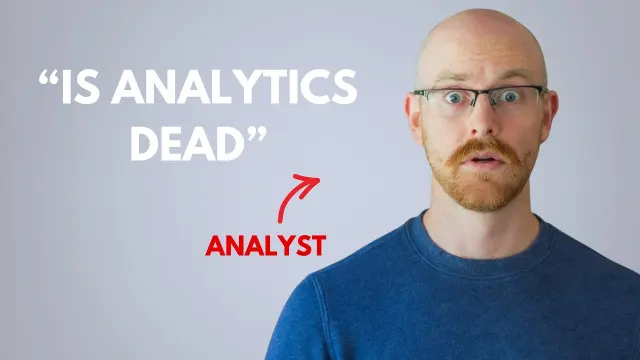
 The Future of Data Analytics: A Conversation on Where It Is Going
#Future of Work
1 ideas
The Future of Data Analytics: A Conversation on Where It Is Going
Get new #Future of Work ideas by email
Every Thursday: the week's best ideas, with the newest from #Future of Work.
Related tags
The Future of Work: A Guide to Changing Work
Work is one of the few things nearly everyone has an opinion about, and one of the few things that never stays still. When people talk about the future of work, they usually mean a cluster of connected questions: where work happens, who or what does it, what skills it rewards, and what it should give back to the people doing it. None of these questions has a single answer, and that is precisely what makes the subject worth understanding.
Where work happens
For most of the industrial era, work was a place you travelled to. That assumption has loosened. Remote work, made possible by reliable networks and collaborative software, showed that many tasks can be done from almost anywhere. Hybrid arrangements, which mix time in a shared office with time elsewhere, have become a common middle ground.
Each model carries trade-offs worth knowing. Remote work offers focus and flexibility but can blur the boundary between work and rest, and it asks for deliberate effort to stay connected. Office work supports spontaneous conversation and shared culture but can be inflexible about the rest of a person's life. Hybrid tries to hold both, though it only works when teams agree on how they communicate and when they meet.
Read more
Who does the work
Automation is older than the digital age: looms, accounting machines and assembly lines all reshaped labour before computers existed. What is different now is the range of tasks that software can assist with, including writing, analysis, design and customer service. The useful way to think about it is task by task rather than job by job. Few occupations disappear whole; more often, individual tasks shift, and the role around them is rebuilt.
This makes judgement, context and communication more valuable, not less. Someone still has to decide what is worth doing, check whether the output is right, and explain it to other people.
What skills it rewards
- Adaptability: the willingness to learn a new tool or method without treating it as a threat.
- Clear communication, especially in writing, where tone and structure carry the message alone.
- Judgement: knowing when a shortcut is fine and when it is not.
- Digital literacy: comfort with the tools of your field, not mastery of all of them.
- Interpersonal skill: trust is still built between people, whatever the medium.
What beginners should know
If you are starting out, resist the urge to chase whatever sounds newest. Durable foundations pay better: learn to write plainly, to ask good questions, to organise your own time, and to finish what you begin. Take an interest in how your field actually creates value, not just in the tasks you are handed.
Protect your boundaries too. A working life that can reach you anywhere needs edges you set yourself: hours you keep, spaces you leave for rest, people you talk to about more than output.
A practical outlook
Change at work is rarely sudden, even when it feels that way. Most shifts arrive gradually, absorbed through new tools, new expectations and new habits, and most people adapt by learning a little at a time. Watch how your own tasks are changing, keep a few skills sharp, and stay curious about the parts of the job that machines handle least well: understanding people, weighing trade-offs, and deciding what matters.
The future of work is not a destination you arrive at. It is a direction, and you help steer it.
#Future of Work: frequently asked questions
How do I get started preparing for the future of work?
Start with what is already in front of you: get genuinely good at writing clearly, asking useful questions, and finishing what you take on. Then pay attention to how your own daily tasks are shifting, since that tells you more than any broad prediction about where to put your effort. Curiosity and a habit of learning small things continuously will carry you further than chasing whatever sounds newest.
Which working arrangement should I choose — remote, hybrid, or in the office?
There is no universally right answer, so weigh what each model actually gives and costs you. Remote work buys focus and flexibility but can dissolve the line between work and rest, while shared offices offer easy conversation and culture at the price of rigidity. Hybrid can hold both, but only when a team genuinely agrees on when it meets and how it communicates in between.
What skills will matter most as automation takes over more tasks?
The tasks that stay human are the ones about deciding: working out what is worth doing, judging whether an answer is any good, and explaining it to other people. That makes judgement, context and communication more valuable rather than less. Being willing to pick up a new tool without treating it as a threat matters just as much as technical ability.
How do I keep work from spilling into the rest of my life?
A working life that can reach you anywhere only stays healthy if you set the edges yourself. Decide the hours you keep, protect spaces that are genuinely for rest, and keep people around you who talk about more than output. These boundaries are not a luxury; they are what makes flexible work sustainable over time.
What mistakes do people make when thinking about the future of work?
The most common one is assuming whole occupations vanish, when in practice individual tasks shift and the role gets rebuilt around them. Another is waiting for a dramatic turning point, when change usually arrives gradually through new tools and habits. A third is treating new technology as a threat instead of something to learn a little at a time.
How can I stay relevant without constantly chasing the newest thing?
Build on durable foundations rather than trends: plain writing, good questions, organising your own time, and understanding how your field actually creates value. Keep a few skills sharp rather than spreading thin across everything new. Then stay curious about the parts machines handle least well — understanding people, weighing trade-offs, and deciding what matters.
Videos come from YouTube and posts from Instagram; titles and summaries are our own. All rights belong to their creators.