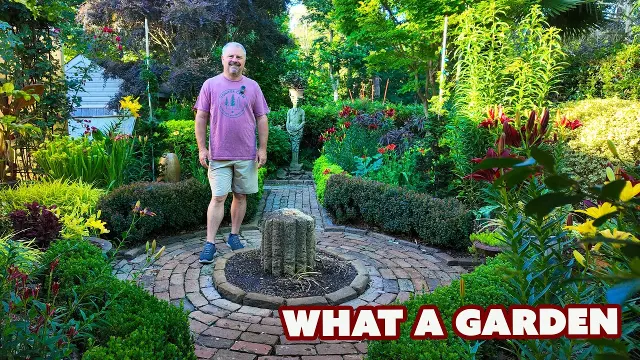
 Creating Garden Rooms with the Amazing Pinkham Garden Tour
#Garden Rooms
1 ideas
Creating Garden Rooms with the Amazing Pinkham Garden Tour
Get new #Garden Rooms ideas by email
Every Thursday: the week's best ideas, with the newest from #Garden Rooms.
Related tags
Garden Rooms: Designing Outdoor Spaces
A garden room is a part of a garden designed to feel like a distinct outdoor space, much like a room inside a house. Instead of seeing the garden as one open area, you divide it into smaller zones with hedges, walls, fences, trellises, archways, paths, planting, or changes in level. The result can feel calm, private, and inviting, with each space serving a different purpose.
What a garden room is for
Garden rooms are used to give structure to a garden and make it feel more intimate. One area might be set up for sitting and relaxing, another for dining, another for growing flowers or herbs, and another for quiet reflection. Even a small garden can benefit from this idea, because dividing the space often makes it feel larger and more interesting.
The idea has long roots in formal garden design, where enclosed spaces, straight paths, and clear boundaries were used to create order. In more informal gardens, the same principle can be softened with flowering plants, natural materials, and looser planting.
Read more
Common styles and features
Garden rooms can be formal or relaxed. In a formal style, you might use clipped hedges, symmetrical layouts, gravel paths, and repeated planting to create a strong sense of shape and balance. In a more natural style, you can use shrubs, climbers, and mixed borders to suggest separate areas without making them feel rigid.
Typical features include:
- Hedges or screens to create privacy
- Pergolas, arches, or arbours to mark entrances
- Paving, gravel, or stepping stones to define movement
- Raised beds or planters to shape the edges
- Seating placed where the view feels most pleasant
- Water, sculpture, or a focal plant to anchor the space
How to plan one
Start by thinking about how you want to use the garden. If you enjoy eating outdoors, make a dining area near the house. If you want a quieter place, set aside a corner with shelter and soft planting. Try to match the size of each “room” to its purpose so the space feels comfortable rather than crowded.
It helps to think in layers. The outer structure gives the room its shape, while the planting creates atmosphere. Evergreen plants can provide year-round framework, and seasonal flowers can bring interest and change. Good paths are important too, because they guide movement and help each area feel connected.
Practical tips for beginners
- Keep the design simple at first. One or two strong divisions are often enough.
- Use repeating materials to make the whole garden feel unified.
- Leave enough space to move around furniture and planting comfortably.
- Think about sun, shade, wind, and privacy in each area.
- Mix structure with softness so the garden feels welcoming, not boxed in.
- Choose plants that suit your soil, light, and local conditions.
A successful garden room feels enclosed enough to be restful, but open enough to feel connected to the rest of the garden. If you balance structure, planting, and purpose, you can create outdoor spaces that feel both practical and inviting.
#Garden Rooms: frequently asked questions
What exactly is a garden room, and how is it different from just having a garden?
A garden room is a zone within your garden that is shaped to feel like a separate outdoor space, the way a room does inside a house. Rather than treating the garden as one open stretch, you give it boundaries and a purpose using hedges, fences, trellises, arches, paths, planting, or a change in level. The point is intimacy: each area feels calmer and more inviting because it has a clear identity.
How do I start planning one if my garden is small?
Begin with how you actually want to spend time outside, then set aside one corner or stretch for that use and size it to fit comfortably. Keep it simple at first, since one or two strong divisions usually do more than a complicated layout. Dividing a small space often makes it feel bigger and more interesting rather than more cramped.
Which style should I choose, formal or relaxed?
Formal rooms rely on clipped hedges, symmetry, gravel paths, and repeated planting to create a strong sense of shape. A relaxed version uses shrubs, climbers, and mixed borders to suggest separate areas without hard edges. Pick the one that matches the house and the way you garden, and remember the two can be blended, with structure at the edges and looser planting within.
What do I need to think about before building the structure?
Look at sun, shade, wind, and privacy in each spot, since these decide what a space can realistically be used for and what will grow there. Leave enough room to move furniture and reach your planting without squeezing past. Repeating the same materials and plants across the garden keeps the separate areas feeling like part of one whole.
What mistakes do people usually make with garden rooms?
The common ones are trying to fit too many divisions into a small plot and making each room too small for its purpose. Another is leaning entirely on hard structure, which leaves the garden feeling boxed in rather than welcoming. A good balance is enclosed enough to be restful but open enough to stay connected to the rest of the garden.
How do I keep the space looking good through the year?
Use evergreens for the year-round framework that holds the room's shape, then let seasonal flowers bring change and interest on top of it. Choose plants that suit your soil, light, and local conditions so they settle in and need less fussing. Paths matter here too, because they guide movement and tie the different areas together as planting shifts from season to season.
Videos come from YouTube and posts from Instagram; titles and summaries are our own. All rights belong to their creators.