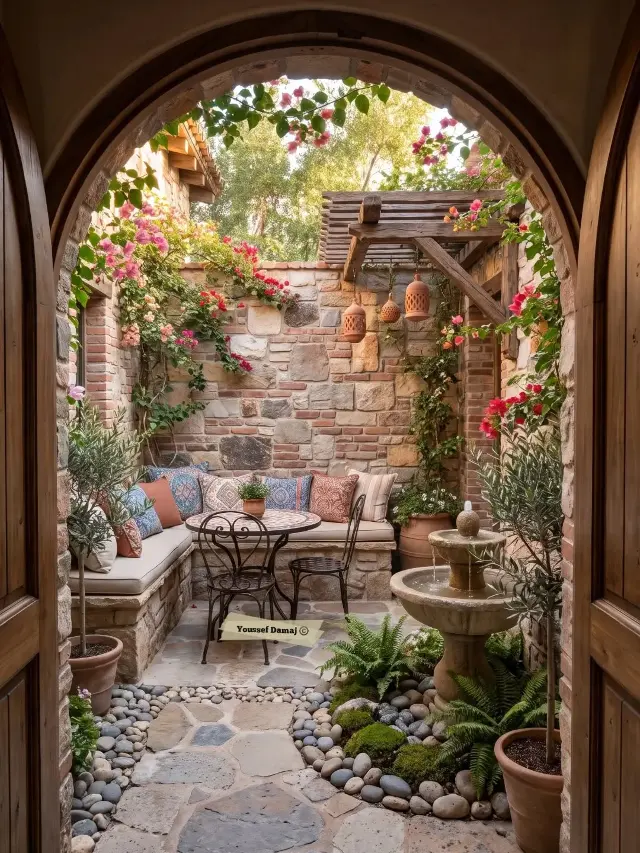
 A quiet and peaceful outdoor seating area design
#Garden Seating
1 ideas
A quiet and peaceful outdoor seating area design
Get new #Garden Seating ideas by email
Every Thursday: the week's best ideas, with the newest from #Garden Seating.
Related tags
Garden Seating: A Guide to Comfortable Outdoor Spaces
Garden seating is the part of a garden designed for staying rather than passing through. A bench at the end of a path, a table under a tree, a chair angled toward the evening sun — these are the places where a garden stops being something to look at and becomes somewhere to spend time. Thinking about seating early, alongside planting and paths, usually produces a better result than adding a bench wherever space happens to be left.
What garden seating is for
Seating shapes how an outdoor space is used. A single bench creates a destination, a place to pause on a walk. A table with chairs turns a corner into a room for eating and talking. A lounger or hammock suggests rest and reading. Because different seats invite different behaviour, most gardens benefit from more than one kind of place to sit: a sociable one near the house, a quieter one further out, and something simple along the way.
The main materials
Read more
Wood is the traditional choice, warm to the touch and easy to repair. Hardwoods weather to a soft grey if left untreated and can be oiled to keep their colour; softer woods need more protection from damp. Metal frames are sturdy and slim, though bare metal can become very hot in strong sun and cold in winter. Woven rattan and synthetic weaves suit sheltered spots and covered areas. Stone and concrete benches are heavy and permanent, well matched to walls, steps and terraces, but they hold the cold. Each material ages in its own way, and a garden can carry a mix comfortably as long as the pieces share a similar scale.
Styles and placement
Formal gardens tend to use symmetry: pairs of benches, a seat centred on an axis, stone set against clipped hedging. Informal gardens allow looser arrangements — a chair turned slightly away from the view, a table under a pergola, a seat tucked into a border. Scale matters more than style. A large bench in a small garden crowds it; a delicate chair on a wide lawn disappears. Siting matters too: a seat needs shelter from wind, some shade for hot afternoons, and a reason to sit there — a view, a fire bowl, a patch of scent.
Practical advice for beginners
Measure the space, including the room needed to pull a chair out, before buying anything. Prioritise one good seat over several poor ones. Choose pieces that can be left outside year-round if you lack storage, and check that cushions and covers are made for outdoor use. Anchor lightweight furniture or store it in windy seasons. Sit in a chair before committing to it: depth, height and armrests matter more outdoors than they look.
A garden seat is only as good as the hours it makes possible. Place it well, keep it simple, and it will be used far more than its modest footprint suggests.
#Garden Seating: frequently asked questions
How do I start planning garden seating?
Begin by thinking about seating at the same time as planting and paths, rather than squeezing a bench into whatever space is left over. Decide where you actually want to pause — near the house for company, further out for quiet, or somewhere along a path — and measure those spots before shopping. Sitting in a few chairs first will tell you more than browsing ever will.
Which material is best for outdoor seating?
Wood is warm to the touch and easy to repair, though softer woods need protection from damp and hardwoods will grey unless oiled. Metal is slim and sturdy but gets hot in strong sun, while woven rattan and synthetic weaves are happiest in sheltered or covered spots. Stone and concrete suit walls and terraces but hold the cold, so pick according to how you will use the seat and how much upkeep you want.
How do I choose between a formal and an informal seating arrangement?
Let the garden decide: symmetry, paired benches and stone against clipped hedging read as formal, while a chair turned slightly away from the view or a seat tucked into a border feels relaxed. Scale matters more than style, since an oversized bench crowds a small garden and a delicate chair vanishes on a wide lawn. Match the pieces to each other in size even if their materials differ.
Where should I place a seat in the garden?
Look for somewhere sheltered from wind with shade available for hot afternoons, and give the spot a reason to sit there — a view, a fire bowl, or a patch of scent nearby. A seat centred on an axis or at the end of a path creates a destination, while one tucked into a border feels more private. Above all, angle it toward whatever you want to look at.
How do I look after garden furniture left outside?
If you have no storage, choose pieces that can stay outdoors all year and make sure cushions and covers are genuinely made for outdoor use. Oil wooden frames to keep their colour, and anchor lightweight furniture or move it indoors when strong winds are expected. A little seasonal attention keeps a modest seat usable for a long time.
What mistakes should I avoid when buying garden seating?
Buying several cheap seats instead of one good one is the most common slip, since poor furniture simply goes unused. Measure the space including the room needed to pull a chair out, and actually sit in a piece before committing to it — depth, height and armrests matter more outside than they appear to. Avoid the temptation to fill leftovers of space with whatever bench fits.
Videos come from YouTube and posts from Instagram; titles and summaries are our own. All rights belong to their creators.