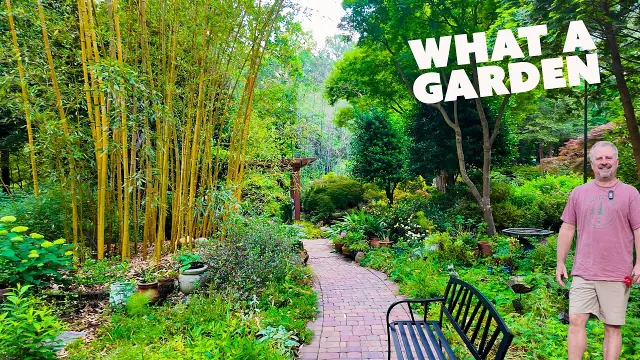
 Incredible Walk Through Tour of the Giberson Garden
#Garden Walkthrough
1 ideas
Incredible Walk Through Tour of the Giberson Garden
Get new #Garden Walkthrough ideas by email
Every Thursday: the week's best ideas, with the newest from #Garden Walkthrough.
Related tags
Garden Walkthroughs: A Guide to Touring a Garden
What a Garden Walkthrough Is
A garden walkthrough is a guided tour of a garden, taken slowly and in order, so you experience the space the way its designer intended. Instead of standing at the gate and taking everything in at once, you move through it: down a path, past a focal point, around a bend where the view suddenly opens up. The idea is as old as garden design itself, because a good garden is built around movement and around what you see as you go. Many walkthroughs are shared today as photo and video tours of public gardens, private homes, and landscape projects, which makes it easy to study a design without ever setting foot on it.
Why People Do Walkthroughs
- A garden is usually made of separate "rooms," each with its own mood, palette, and purpose, and only a walk reveals how they relate to one another.
- It shows how paths, sightlines, and framing work: which view is hidden around a corner and which is drawn to you from across an open lawn.
- It teaches you which plant groupings, textures, and seasonal layers work together in place rather than on paper.
- For anyone planning a garden of their own, a walkthrough is a compact lesson in layout before a single seed is planted.
Read more
What to Look For
As you follow any tour, keep a few things in mind:
- Layers. Most mature gardens stack tall trees over smaller trees, over shrubs, over perennials, and over groundcover. Notice how many of those layers are present.
- Focal points. A specimen tree, an old wall, a water feature, or even a cluster of bold flowers can anchor an area. Pause where your eye lands and think about why it landed there.
- Transitions. The way one area leads into the next — a narrowing path, an arch of climbers, a change in paving material — is what makes a garden feel composed instead of cluttered.
- Structure and hardscape. Paths, walls, seating, and edging hold the planting in place. A walkthrough makes clear how much of the effect is built before a single plant goes in.
- Seasonal interest. A garden photographed in full summer bloom looks nothing like the same garden in January. The best tours show, or at least tell you, what the planting does once the showy flowers are done: bare stems, seed heads, evergreens, and winter bark.
Practical Tips for Beginners
- Move slowly. A garden is not meant to be consumed in ten minutes; each viewpoint can hold up to a few quiet minutes of looking.
- Notice the quiet details. Edging, plant spacing, and the way a hedge is clipped do more for a finished look than any single showy plant.
- Take notes. If a planting combination catches your eye, write down its colors and textures, not just the plant names.
- Adapt, don't copy. A garden that thrives in one climate, soil type, and sunlight can fail in another, so treat any tour as inspiration to translate into your own conditions.
Whether you are touring a garden in person or following a photo sequence from home, a walkthrough is really a way of reading a landscape: paths are sentences, plantings are words, and the whole garden is the story. Take it at its own pace, and you will start to see gardens — your neighbors' and your own — very differently.
#Garden Walkthrough: frequently asked questions
What exactly is a garden walkthrough, and how is it different from just looking at a garden?
A garden walkthrough is a guided tour taken slowly and in sequence, so you experience the space the way it was designed to be experienced — moving down a path, past a focal point, around a bend where a new view opens up. The difference is order and pace: instead of taking everything in from one spot, you let the garden reveal itself piece by piece. Many walkthroughs today are shared as photo or video tours, so you can study a design without visiting it.
How do I start a garden walkthrough if I'm a complete beginner?
Start by slowing down — a garden isn't meant to be finished in a few minutes, and each viewpoint can hold several quiet minutes of looking. Follow the path in the order it was laid out rather than cutting across beds, and pause wherever your eye naturally lands. Bringing a notebook helps, because noting colors and textures you like is far more useful later than trying to remember plant names.
What should I look for during a walkthrough?
Watch for layers — tall trees over smaller trees, shrubs, perennials, and groundcover — and notice how many of those a mature garden stacks. Pay attention to focal points like a specimen tree or a water feature, and to the transitions that carry you from one area into the next. Also look at the hardscape, since paths, walls, and edging do a great deal of the work before any plant goes in.
Why do gardens in walkthrough tours get described as having different “rooms”?
Most gardens are made of separate areas, each with its own mood, palette, and purpose, and a walk is the only way to see how those areas relate to one another. Moving through them shows which view is deliberately hidden around a corner and which is drawn to you across an open lawn. That sense of sequence is what makes a garden feel composed rather than cluttered.
How do I use a walkthrough to plan my own garden?
Treat a tour as a compact lesson in layout, studied before anything is planted. Note the proportions, the path routes, and the sightlines that appeal to you, then translate them into your own conditions rather than copying them outright. A design that thrives in one climate, soil type, and light level can fail in another, so adapt what you saw to what your site actually offers.
What's a common mistake people make when touring or filming a garden?
The usual one is rushing and chasing only the showy plants, which misses the edging, spacing, and clipping that give a garden its finished look. Another is judging a garden by its peak season alone — the best tours also show or describe what the planting does once the flowers are gone. And the quietest mistake is copying a planting scheme wholesale instead of adapting it to your own soil, light, and climate.
Videos come from YouTube and posts from Instagram; titles and summaries are our own. All rights belong to their creators.