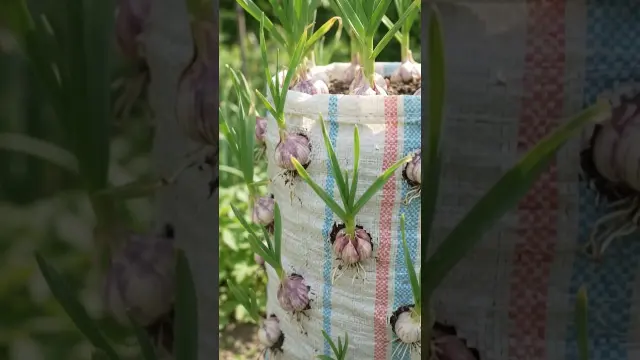
 Growing Abundant Garlic in a Custom Sack Planter Setup
#Garlic Growing
1 ideas
Growing Abundant Garlic in a Custom Sack Planter Setup
Get new #Garlic Growing ideas by email
Every Thursday: the week's best ideas, with the newest from #Garlic Growing.
Related tags
Garlic Growing: From Clove to Cured Bulb
Garlic is one of the most generous things you can put in a garden bed. You don't sow seed; you plant a single clove, and a few months later you lift a whole bulb. It takes up little space, asks for very little once it is established, and the crop you grow tends to taste sharper and more fragrant than anything you can buy.
The two main kinds
Hardneck garlic sends up a stiff central stalk and usually performs best where winters are genuinely cold. It tends to produce fewer but larger cloves that are easy to peel, and in late spring it forms a curled flower stalk, the scape. Softneck garlic has a soft, pliable stem that can be plaited, carries more cloves per bulb, and generally keeps longer in storage. It suits milder climates better. Beyond those two families there is a wide range of varieties with different skin colours and strengths. Elephant garlic is a different plant altogether and tastes much milder, and wild garlic, which carpets woodland in spring, is another relative entirely.
Planting
Read more
Most garlic goes into the ground in autumn. The cloves need time to root before the cold sets in, so plant them a few weeks ahead of hard frost. In very mild climates, softneck types can also go in at the end of winter. Buy bulbs from a garden supplier rather than using kitchen garlic, which may be treated to stop it sprouting or may carry disease.
Break the bulb into cloves just before planting and leave the papery skin on. Set each clove pointed end up, roughly two to three times its own depth, about a hand's width apart, in loose, rich, well-drained soil in full sun.
Looking after the crop
Mulch after planting to keep the soil steady and weeds down. Garlic is a poor competitor, so weed early and gently. Water during dry spells while the bulbs are swelling in spring, then ease off as the leaves begin to yellow. On hardnecks, snap off the scapes while they are still tender; the plant then puts its energy into the bulb, and the scapes are good to eat.
Lifting and curing
Dig the bulbs up rather than pulling, and choose a dry day. The crop is ready when roughly half to two-thirds of the leaves have gone brown while the rest are still green. Cure the bulbs in a dry, airy, shaded place for a few weeks until the skins are papery, then trim the roots and store them cool, dark and well ventilated. Keep your best cloves back for next year's planting.
Common snags
Poor drainage is the usual culprit behind rotting cloves, so improve heavy soil before you plant. Rotate your crops and avoid following onions or other alliums. If bulbs come out small, the cloves were probably too close together, too shaded, too dry while bulbing, or planted too late.
#Garlic Growing: frequently asked questions
When should I plant garlic, and how do I get started?
Most garlic goes into the ground in autumn, since the cloves need time to root before hard frost arrives. If your climate is very mild, softneck types can also be planted at the end of winter. Start with bulbs from a garden supplier rather than supermarket garlic, which may have been treated to stop sprouting or may carry disease.
What is the difference between hardneck and softneck garlic, and which should I choose?
Hardneck garlic develops a stiff central stalk, tends to grow best where winters are genuinely cold, and gives fewer but larger, easy-to-peel cloves along with edible scapes. Softneck garlic has a pliable stem you can plait, carries more cloves, stores longer, and suits milder climates better. Pick based on your winter cold and whether you value storage life or easy peeling.
How should I plant the cloves?
Break the bulb into individual cloves just before planting and leave the papery skin on. Set each clove pointed end up at roughly two to three times its own depth, about a hand's width apart, in loose, rich, well-drained soil in full sun. Give them a mulch afterwards to steady the soil and keep weeds down.
How do I care for garlic while it grows?
Garlic competes poorly, so weed early and gently rather than letting weeds take hold. Water during dry spells while the bulbs are swelling, then ease off as the leaves begin to yellow. On hardnecks, snap off the curled scapes while they are still tender so the plant puts its energy into the bulb — and the scapes are good to eat.
How do I know when to lift the garlic, and what do I do with it afterwards?
Dig the bulbs rather than pulling them, choosing a dry day, when roughly half to two-thirds of the leaves have gone brown while the rest are still green. Cure them in a dry, airy, shaded spot for a few weeks until the skins turn papery. Then trim the roots and store the bulbs cool, dark and well ventilated, keeping your best cloves back for next year.
Why do my garlic bulbs come out small or rot in the ground?
Rotting cloves usually point to poor drainage, so improve heavy soil before planting and avoid following onions or other alliums in your rotation. Small bulbs generally mean the cloves were too close together, too shaded, too dry while bulbing, or planted too late.
Videos come from YouTube and posts from Instagram; titles and summaries are our own. All rights belong to their creators.