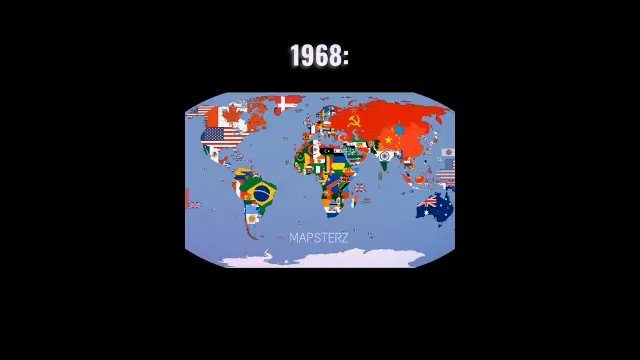
 World map comparison between 1968 and 2026 political boundaries
#Geopolitics
3 ideas
World map comparison between 1968 and 2026 political boundaries
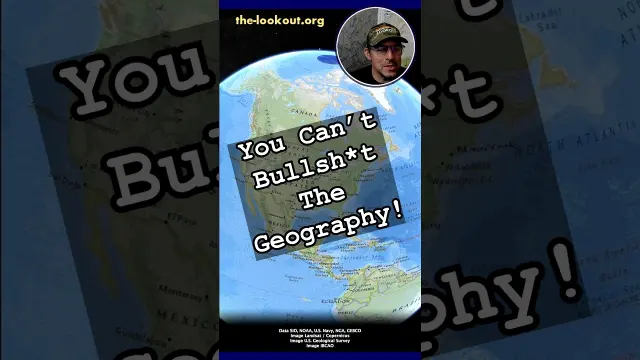 The Geography Of The Iran Region
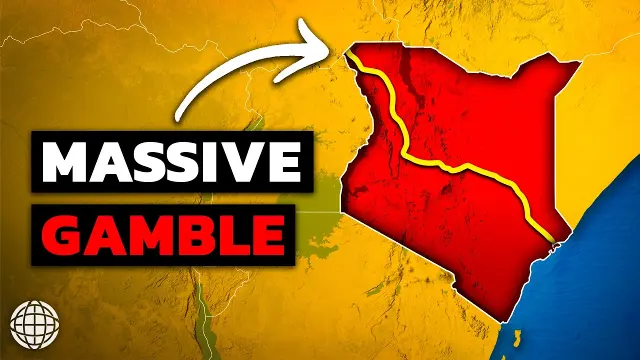 The Ambitions Plan To Change Kenya Geography
Get new #Geopolitics ideas by email
Every Thursday: the week's best ideas, with the newest from #Geopolitics.
Related tags
Geopolitics Explained: Power, Place, and Influence
What geopolitics means
Geopolitics is the study of how geography influences power, politics, and relationships between countries. It looks at the way land, sea, borders, climate, trade routes, and natural resources affect decisions made by governments and other groups. In simple terms, geopolitics asks why some places matter more than others in world affairs.
The idea has been part of political thinking for a long time. As states grew, leaders learned that mountains, rivers, ports, deserts, and sea lanes could protect a country, isolate it, or connect it to others. Today, geopolitics still helps explain why countries cooperate, compete, form alliances, or conflict over territory and influence.
Why geography matters
Read more
Geography can shape almost every part of political life. A country with long coastlines may depend heavily on shipping and naval access. A landlocked country may rely on neighbors for trade. Mountain ranges can act as natural barriers, while open plains may make borders harder to defend. Rivers can support farming and transport, but they can also become disputed frontiers.
Resources matter too. Oil, gas, water, minerals, farmland, and fishing grounds can all affect diplomacy and security. So can transport corridors, straits, canals, and ports. Even climate plays a role, because droughts, floods, and changing weather can put pressure on food, migration, and state stability.
Common themes in geopolitics
Geopolitics often involves a few recurring questions:
- Who controls territory, borders, and passage routes?
- Which states have access to key resources?
- How do alliances and rivalries shape regional balance?
- What happens when political borders do not match ethnic, cultural, or historical realities?
- How do large powers influence smaller states through trade, aid, military presence, or diplomacy?
These questions can appear at the global level, but they also matter within regions and even within individual countries. Local geography can shape security, identity, and development just as strongly as international events.
Main approaches and terms
You will often hear geopolitics discussed through a few broad ideas. Some focus on “hard power,” meaning military strength and strategic control. Others look at “soft power,” such as cultural influence, diplomacy, and economic ties. Some approaches emphasize land power and border security, while others focus on maritime routes and access to the oceans.
It also helps to understand a few related terms:
- Territory: a defined area controlled by a state or group
- Sovereignty: the authority to govern a territory independently
- Sphere of influence: a region where a state has strong political or economic sway
- Buffer state: a country situated between rival powers
- Strategic chokepoint: a narrow route that is important for travel or trade
How to read geopolitics well
If you are new to geopolitics, start by looking at maps carefully. Notice borders, coastlines, high ground, rivers, and transport lines. Then ask how people move, where resources are located, and which regions connect different parts of the world. It is also useful to compare physical geography with political boundaries, because they rarely match perfectly.
A good geopolitics reader stays cautious. Geography matters, but it does not decide everything. History, economics, culture, institutions, and leadership all shape political outcomes too. The most useful view is balanced: geography sets limits and opportunities, while human choices determine what happens next.
Videos come from YouTube and posts from Instagram; titles and summaries are our own. All rights belong to their creators.