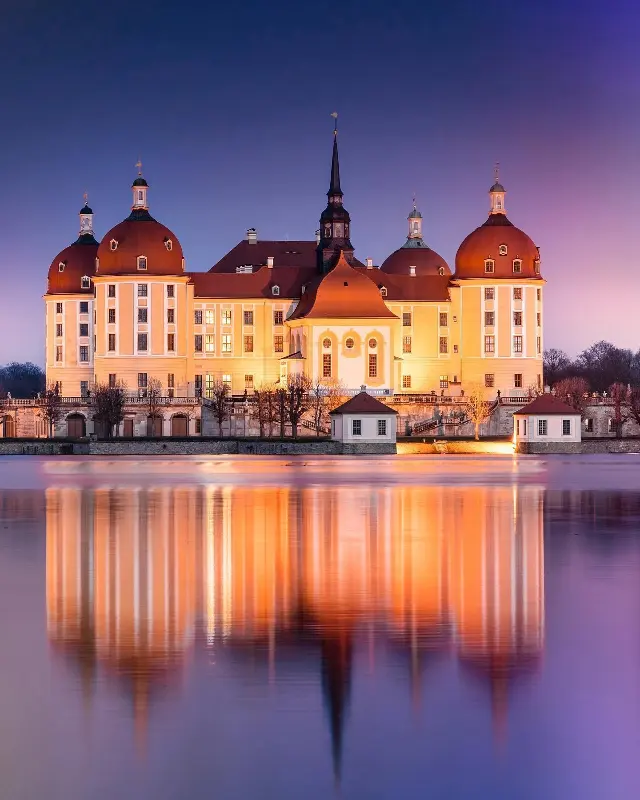
 Moritzburg Castle in Dresden and Its Cinderella Exhibition
#Germany Travel
2 ideas
Moritzburg Castle in Dresden and Its Cinderella Exhibition
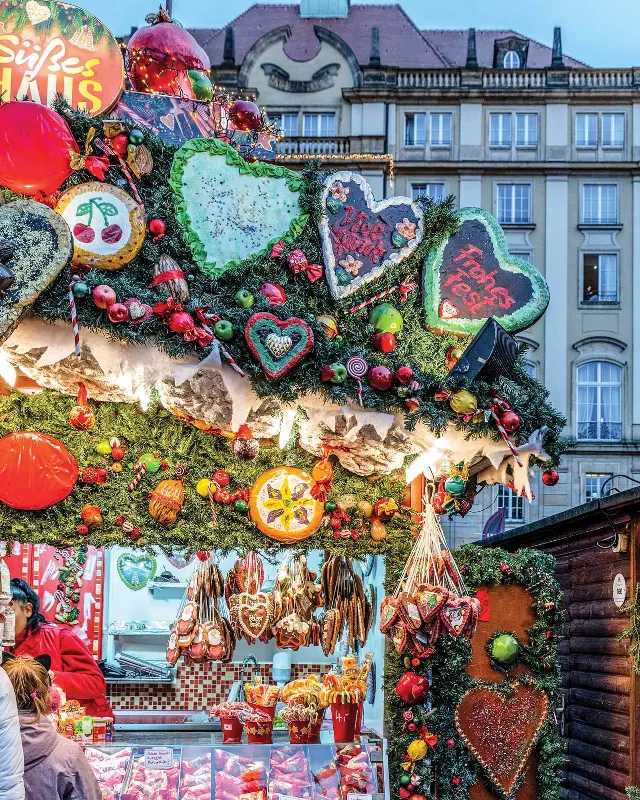 Exploring festive German Christmas markets and historic towns
Get new #Germany Travel ideas by email
Every Thursday: the week's best ideas, with the newest from #Germany Travel.
Related tags
Germany Travel: A Guide to Regions, Cities and Seasons
Germany sits at the heart of Europe, bordered by nine countries and stretching from the North Sea and Baltic coasts in the north to the Alps in the south. That range is the first thing worth understanding about travelling there: the country is not one landscape or one culture but a patchwork of regions, each with its own dialect, food, architecture and sense of itself. A trip that tries to cover all of it in a week will feel rushed; a trip that picks two or three regions and moves slowly will feel generous.
The main regions and what they offer
The north is flat, windy and maritime, with long beaches, tidal mudflats, harbour towns and brick-built Gothic churches. Cities such as Hamburg and Bremen carry a strong trading history, and the islands off the coast are popular for walking and cycling.
The centre and west are hill country: river valleys, vineyards along the Rhine and Moselle, half-timbered villages, and the industrial and cultural cities of the Ruhr and the Rhineland. This is where many of the country's cathedrals and Roman remains are found.
Read more
The south is the Germany of postcards — Bavaria and Baden-Württemberg, with lake country, forested uplands, baroque churches and the Alps along the Austrian border. Munich, Nuremberg and Stuttgart anchor the region.
The east, including Saxony, Thuringia and Brandenburg, holds restored old towns, castle parks and a dense tradition of music and literature.
Cities, towns and how to move between them
Berlin rewards time: it is spread out, and its interest lies in neighbourhoods rather than a single centre. Beyond it, the classic German city is compact and walkable, built around a market square, a cathedral or church, and a pedestrian old town. Smaller towns are often the most memorable stops.
The rail network is the backbone of independent travel: fast intercity trains link the major cities, regional trains reach almost everywhere else, and local transport within cities is reliable. Driving suits rural areas and scenic routes but is a hindrance in city centres. Many historic centres are best explored entirely on foot.
When to go and what to expect
Spring and autumn are gentle and less crowded; summer brings long daylight hours and busy holiday periods; winter is cold and dark but transforms towns with Christmas markets, which are a genuine tradition rather than a tourist invention. Weather varies a lot by region and by elevation, so layers and a waterproof are always sensible.
Germans tend to value punctuality, order and clear rules, and you will find that shops close earlier than in some countries and that Sundays are quiet, with most shops shut. Cash is still useful in smaller places. Learning a few polite phrases in German goes a long way, though English is widely spoken.
Practical notes for beginners
Book accommodation early in popular areas, reserve timed tickets for major museums and castles, and validate any paper transport ticket before boarding where required. Tap water is safe to drink, and the bread, beer, sausage and cake traditions are all worth taking seriously. Tipping is modest and usually rounded up in cash. Above all, allow room for the unplanned: the small town you stop in on the way somewhere else is often the part you remember.
#Germany Travel: frequently asked questions
How should a first-time visitor start planning a trip to Germany?
Start by choosing two or three regions rather than trying to cover the whole country, since Germany is a patchwork of landscapes and local cultures rather than a single destination. Pick a base in each region and build the route around train connections, which reach both big cities and small towns reliably. Leaving room for unplanned stops usually pays off, because the small town you pass through often ends up being the highlight.
What do I need to sort out before I go?
Book accommodation early in popular areas and reserve timed entry for major museums and castles, as these fill up in busy periods. Check how transport tickets work where you are staying, including whether paper tickets must be validated before boarding. Pack layers and something waterproof, because weather shifts noticeably between regions and with elevation.
Which part of Germany should I choose?
Go north for coastlines, mudflats and brick-built harbour towns, or to the centre and west for river valleys, vineyards and half-timbered villages. The south offers the classic postcard scenery of lakes, forested uplands and mountains, while the east is rich in restored old towns and a deep musical and literary heritage. Match the region to the kind of trip you want rather than trying to sample everything.
When is the best time to visit, and what should I expect?
Spring and autumn are gentler and quieter, summer gives long daylight hours but also crowded holiday periods, and winter is cold and dark yet brings genuine Christmas market traditions to towns and cities. Bear in mind that many shops close earlier than visitors expect and that Sundays are quiet, with most shops shut. Cash still helps in smaller places, and a few polite words of German are appreciated even though English is widely spoken.
What are common mistakes people make when travelling in Germany?
The biggest one is over-scheduling and rushing between distant regions instead of settling into a few places properly. Another is assuming a car is the easiest way around, when driving helps in rural areas but hinders you in city centres where historic quarters are best explored on foot. Forgetting to validate a ticket or expecting shops to be open on a Sunday catches many visitors out.
Are there any special occasions worth planning a trip around?
The run-up to Christmas is the obvious one, when towns across the country hold markets that are a long-standing local tradition rather than a tourist invention. Pairing a market visit with a historic old town makes for a slow, atmospheric trip. Outside that season, spring and autumn suit people who want quieter streets and gentler weather.
Videos come from YouTube and posts from Instagram; titles and summaries are our own. All rights belong to their creators.