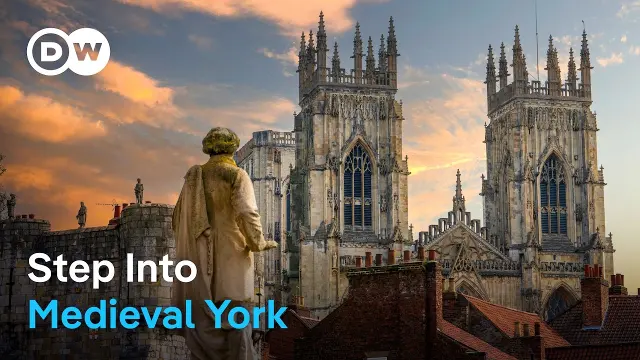
 England's Most Haunted City: Exploring Medieval York
#Ghost Tour
1 ideas
England's Most Haunted City: Exploring Medieval York
Get new #Ghost Tour ideas by email
Every Thursday: the week's best ideas, with the newest from #Ghost Tour.
Related tags
Ghost Tours: A Beginner's Guide to Haunted Walks
A ghost tour is a guided walk built around stories of the dead. You follow a route through streets, graveyards, castles, inns or ruined buildings while a guide recounts the legends attached to each stop: a disappeared bride, a monk who never left his cell, a light in a window that no one can explain. Nobody promises you a sighting. What you are really buying is atmosphere, local history and the pleasure of being told a good story in the place where it supposedly happened.
Where the tradition comes from
Storytelling about restless spirits is ancient and appears in almost every culture, but the organised ghost tour as an evening out grew out of something more recent: the spread of popular tourism and a taste for the gothic and the macabre that took hold in the nineteenth century, when readers fell in love with haunted houses and crumbling abbeys. Cities with old streets and older crimes found that visitors would happily pay to hear about them after dark. Today the format exists almost everywhere, from medieval European towns to former prisons and ships, and it has grown alongside the paranormal-investigation television that made the vocabulary of orbs, cold spots and residual energy familiar to a mass audience.
What a tour actually involves
Read more
Most walks last an hour or two and cover a compact area on foot, pausing at perhaps eight or twelve sites. A good guide mixes three ingredients: documented history, local folklore, and the reports people have given over the years. Listen for the difference between them. The best tours are honest about which parts are record and which are legend, and the storytelling is sharper for it.
Kinds you will come across
- The historic walk, using genuine events as its backbone and ghost stories as flavouring.
- The theatrical tour, with costumed performers, props and scripted scares.
- The paranormal-investigation night, which lends out equipment and invites participants to interpret readings.
- The themed special, built around a particular building, disaster, plague or shipwreck.
- The family version, gentler, earlier and often more funny than frightening.
Practical advice for a first time
Wear shoes you can walk in and dress for the weather; these outings happen rain or shine, and old towns are uneven underfoot. Bring a small torch and keep your phone in your pocket, since screens spoil night vision and annoy everyone behind you. Book ahead in busy periods and confirm the meeting point, which is sometimes a corner rather than an address. Groups can be large, so arrive early enough to stand near the front if you want to hear. If you are bringing children, check the intended age and the level of gore before you book.
Etiquette, and a little scepticism
Treat the material as what it is: folklore that belongs to a community. Do not wander off alone, do not touch graves or memorials, and ask before photographing people. Go in willing to be chilled, but keep a friendly scepticism alongside it — the pleasure of a ghost tour lies in the shiver and the history together, not in being convinced.
#Ghost Tour: frequently asked questions
What actually happens on a ghost tour?
You join a small group and walk a short route through old streets, churchyards or historic buildings while a guide tells the stories attached to each stop. Nothing is guaranteed to appear — the appeal is the atmosphere, the local history and hearing a good story in the place it supposedly happened. Expect to stand outdoors for much of it, with the guide doing the talking.
How do I prepare for my first ghost tour?
Wear comfortable shoes and dress for the weather, because these walks run rain or shine over uneven old ground. Bring a small torch and keep your phone away, since a bright screen ruins your night vision and distracts the group. Book ahead in busy seasons and check exactly where the group meets, as it is often a street corner rather than a building with an address.
Which kind of ghost tour should I pick?
Choose a historic walk if you want real events with legends layered on top, a theatrical tour if you want costumed performers and scripted scares, or an investigation night if you would rather handle equipment and draw your own conclusions. Themed tours focus on one building or event, and family versions are gentler and earlier in the evening. Read the description carefully so the level of frightening matches who you are bringing.
Are ghost tours suitable for children?
Many operators run family-friendly versions that are earlier, shorter and more funny than frightening, so they can work well for younger children. Before booking, check the recommended age and how much gore the stories involve. If your child is easily unsettled at night, a daylight or indoor version is often the safer choice.
What should I avoid doing on a ghost tour?
Do not wander off alone, touch graves or memorials, or photograph other people without asking first. Stay with the group, keep your voice down near homes, and treat the stories as folklore that belongs to the community rather than as fact. Arriving late or hanging at the back also means missing most of what the guide says.
How do I get the most out of the experience?
Stand near the front so you can hear, and listen for the guide's shift between documented history and local legend — the best guides are clear about which is which. Go willing to be chilled, but keep a friendly scepticism alongside it, since the pleasure comes from the shiver and the history together. Asking the guide a question afterwards often turns up the best story of the night.
Videos come from YouTube and posts from Instagram; titles and summaries are our own. All rights belong to their creators.