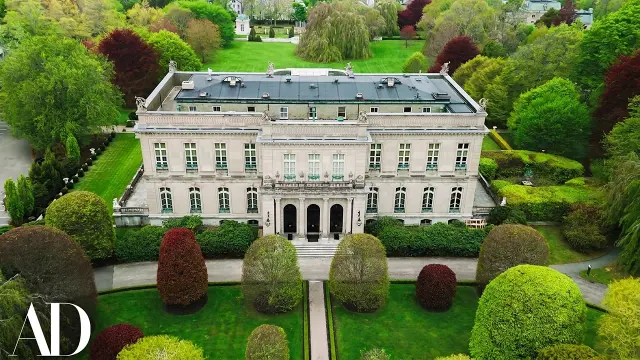
 Inside a Gilded Age Mansion Designed to Hide Servants
#Gilded Age
1 ideas
Inside a Gilded Age Mansion Designed to Hide Servants
Get new #Gilded Age ideas by email
Every Thursday: the week's best ideas, with the newest from #Gilded Age.
Related tags
The Gilded Age Style and Its Legacy
What the Gilded Age means
The Gilded Age refers to a period in late 19th-century American history known for rapid industrial growth, great private fortunes, and striking displays of wealth. The term suggests something richly decorated on the surface, while deeper social and economic realities could be more complicated. In design and culture, it is remembered for grandeur, ornament, and a strong sense of ceremony.
This era drew heavily from European traditions while also developing a distinctly American taste for scale and spectacle. Homes, public buildings, and interiors were often designed to impress. Wealthy families used architecture and decoration to express status, refinement, and ambition.
Common styles and features
Read more
Gilded Age design is not one single style, but a mix of influences. You may see classical symmetry, French-inspired elegance, Renaissance details, and elaborate ornamental work all in one place. The result is often layered, formal, and highly decorative.
Typical features include:
- Grand facades and imposing entrances
- Tall ceilings, sweeping staircases, and large reception rooms
- Carved woodwork, plaster ornament, and decorative moldings
- Rich fabrics such as velvet, silk, and damask
- Gilded finishes, mirrors, chandeliers, and polished surfaces
- Formal furniture with curved lines, elaborate upholstery, and fine detailing
In interiors, rooms were often designed for specific social uses: receiving guests, dining formally, or displaying art and collections. Decoration was meant to create a sense of abundance and cultivated taste.
Where it came from
The Gilded Age was shaped by industrialization, urban growth, and new fortunes made in business and manufacturing. As cities expanded and wealthy families built large homes, architecture became a way to show success. Many designers and builders looked to European palaces, manor houses, and historic styles for inspiration, adapting them to American life and scale.
This is why Gilded Age spaces often feel both historical and theatrical. They reflect a desire for permanence, prestige, and beauty, combined with the confidence of a rapidly changing society.
How to recognize it today
If you want to identify Gilded Age design, look for balance, richness, and a strong sense of formality. The spaces are usually highly composed, with decorative layers that still feel structured rather than casual.
A few signs to notice:
- Ornament used generously, but in a controlled way
- A preference for symmetry and grand proportions
- Mixes of luxurious materials and detailed craftsmanship
- Formal room arrangements and a polished overall effect
Practical inspiration for modern homes
You do not need a mansion to borrow from this look. The easiest way is to focus on one or two elements rather than filling a room with decoration. A carved mirror, a dramatic light fixture, patterned textiles, or a single ornate chair can suggest the style without overwhelming the space.
For a softer approach, combine elegant details with simpler furnishings so the room still feels livable. Choose rich textures, warm metals, and classic silhouettes. If you like the Gilded Age, you may enjoy interiors that feel layered, gracious, and a little theatrical, while still remaining comfortable and personal.
Videos come from YouTube and posts from Instagram; titles and summaries are our own. All rights belong to their creators.