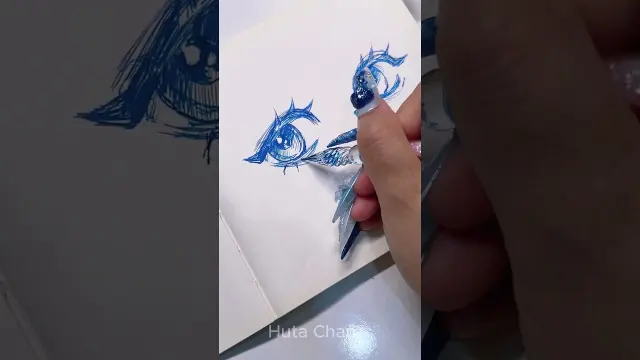
 Testing Out a New Glass Pen for Drawing
#Glass Pen
1 ideas
Testing Out a New Glass Pen for Drawing
Get new #Glass Pen ideas by email
Every Thursday: the week's best ideas, with the newest from #Glass Pen.
Related tags
Glass Pens: Elegant Tools for Writing and Drawing
Glass pens are delicate writing tools made from shaped glass, usually with a spiral or ridged tip that holds ink between the grooves. They are used for handwriting, sketching, calligraphy, and decorative marks. Because the tip is smooth and reusable, a glass pen offers a very different experience from a metal nib or a ballpoint pen: it glides lightly, shows ink beautifully, and is easy to clean between colors.
What a glass pen is
A glass pen is typically made from a single piece of glass formed into a handle and a writing tip. The tip’s fine grooves draw up ink by capillary action, allowing you to write several lines before dipping again. That makes it especially useful for short notes, signatures, journaling, address writing, and artistic lettering.
Glass pens are admired not only for function but also for their appearance. They are often colorful, clear, or twisted into decorative shapes, so they are as much an object of craft as a tool. Some are simple and practical, while others are made to be displayed and collected.
Read more
Where it comes from
Glass pens are often associated with European glassmaking traditions, especially the decorative handmade glasswork that developed alongside writing culture. They became popular because they were attractive, easy to clean, and suitable for a wide range of inks. While they are not the oldest writing tools in history, they belong to the long tradition of dip pens and handmade instruments used before modern refillable pens became common.
What they are used for
You can use a glass pen for:
- Handwriting and letters
- Calligraphy practice
- Sketch lines and decorative marks
- Journaling and note-making
- Ink sampling and color testing
They work best with fluid writing and drawing rather than long continuous pages. Since the ink supply is small, you dip the nib often. That is part of the charm: writing with a glass pen encourages a slower, more deliberate pace.
Styles and kinds
Glass pens vary in shape and feel. Some common kinds include:
- Straight glass pens with a simple, elegant form
- Twisted or spiral-tip pens for better ink holding
- Decorative hand-blown pens with patterned glass
- Shorter, thicker styles for a comfortable grip
The tip may write more broadly or more finely depending on the design. If you want neat everyday writing, choose a pen with a finer point. If you want expressive lettering or visible line variation, a slightly broader tip can be useful.
Tips for beginners
Start with a washable or easy-to-clean ink so you can practice without stress. Dip the tip gently, then let any extra ink drip back into the bottle or blot it lightly before writing. Press only lightly; glass is smooth and should not be forced onto the paper.
Choose paper that can handle ink without spreading too much. Smooth, good-quality paper usually gives the cleanest line. Keep a soft cloth or tissue nearby for wiping the tip between colors or when the ink flow becomes heavy.
Care and handling
A glass pen should be treated gently. Avoid dropping it, and store it where it will not knock against hard objects. Clean it with water after use, especially if you switch inks. Let it dry fully before putting it away.
If you’re new to dip pens, a glass pen is a lovely place to begin. It teaches control, encourages beautiful handwriting, and brings a quiet sense of ritual to the simple act of writing.
#Glass Pen: frequently asked questions
How do I start using a glass pen for the first time?
Begin with an easy-to-clean, washable ink so you can practise without worrying about stains, and keep a soft cloth or tissue within reach. Dip the tip gently, let the excess ink drip back into the bottle or blot it lightly, then write with almost no pressure — the glass should glide rather than be pushed into the paper.
Do I need special ink or paper for a glass pen?
No special equipment is required, but fluid inks and smooth, good-quality paper give the cleanest result. Thin or absorbent paper lets the ink spread into feathered edges, which spoils the crisp line a glass tip is so good at producing.
Which kind of glass pen should I choose for writing versus lettering?
For neat everyday handwriting, signatures, and journaling, a pen with a finer point is the easier choice. If you want expressive lettering or a visible difference between thick and thin strokes, a slightly broader tip shows the line variation more clearly, and a twisted or spiral tip holds more ink between dips.
How should I clean and store a glass pen?
Rinse the tip with water after use, especially when you change ink colours, and let the pen dry completely before putting it away. Store it somewhere it cannot knock against hard objects, since the writing tip is delicate and a chip or crack is difficult to repair.
What mistakes do beginners usually make with a glass pen?
The most common ones are pressing too hard, dipping too deep so the ink runs and blobs, and writing across long pages without re-dipping. Treat the tip lightly, blot before writing, and accept the frequent dipping as part of the slow, deliberate rhythm of the tool.
Can I use a glass pen for drawing and testing inks?
Yes — glass pens are well suited to sketch lines, decorative marks, and sampling colours, because a quick rinse between shades leaves no residue behind. They work best for shorter, more considered marks rather than long unbroken passages of drawing.
Videos come from YouTube and posts from Instagram; titles and summaries are our own. All rights belong to their creators.