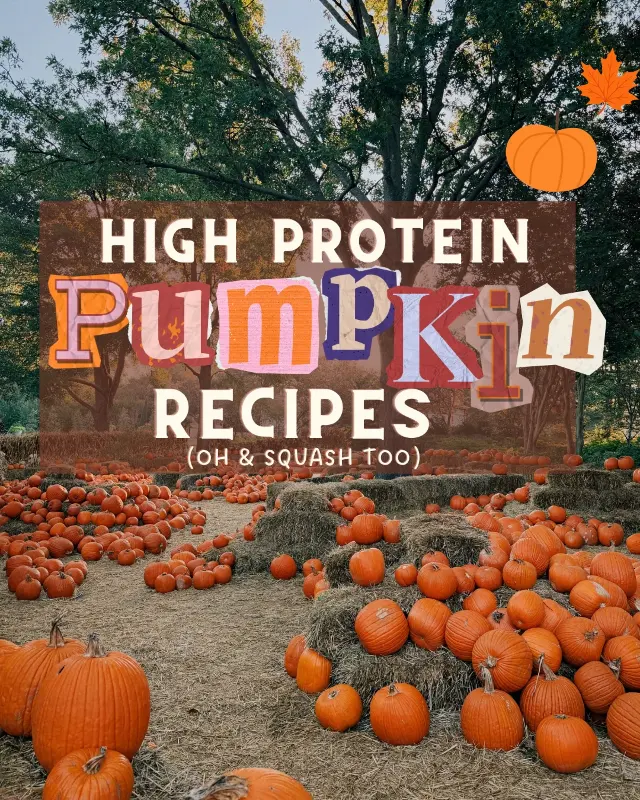
 Gluten-Free Fall Pumpkin and Squash Recipe Ideas
#Gluten Free
3 ideas
Gluten-Free Fall Pumpkin and Squash Recipe Ideas
Get new #Gluten Free ideas by email
Every Thursday: the week's best ideas, with the newest from #Gluten Free.
Related tags
Gluten-Free Eating and Baking Guide
What gluten-free means
Gluten-free eating means avoiding gluten, a natural protein found in wheat, barley, and rye. For some people, gluten-free food is a personal choice, while for others it is an important part of managing a diagnosed condition or sensitivity. Whatever your reason, learning the basics helps you shop, cook, and bake with more confidence.
Gluten shows up in many obvious foods, such as bread, pasta, cakes, and biscuits, but it can also hide in sauces, soups, seasonings, and processed foods. That is why reading ingredient lists is one of the most useful habits when you are getting started.
Common gluten-free ingredients
Read more
Many everyday foods are naturally gluten-free, including:
- Rice
- Potatoes
- Corn
- Beans and lentils
- Nuts and seeds
- Eggs
- Meat, fish, and plain dairy
- Fruit and vegetables
In baking, gluten-free cookery often uses a mix of flours rather than a single one. Popular choices include rice flour, almond flour, oat flour made from certified gluten-free oats, chickpea flour, tapioca starch, and potato starch. Each one behaves differently, so combining them can give better texture than using only one flour.
How gluten affects baking
Gluten gives dough elasticity and helps bread rise and hold its shape. Without it, baked goods can be more fragile, crumbly, or dense. That does not mean they are difficult to make, but they often need a different approach.
When baking gluten-free, it helps to think about structure and moisture. Ingredients such as eggs, yogurt, mashed banana, applesauce, flaxseed gel, or xanthan gum are often used to improve binding and texture. The exact method depends on the recipe, so following a gluten-free formula carefully is especially important.
Practical tips for beginners
If you are new to gluten-free cooking, start with naturally gluten-free meals before moving on to baking. A bowl of rice with vegetables, a salad with beans, or roasted potatoes with eggs can be simple and satisfying.
A few habits make the kitchen easier:
- Keep gluten-free ingredients separate from wheat-based ingredients
- Use clean utensils, cutting boards, and toaster spaces if cross-contact matters to you
- Check labels on sauces, spice mixes, stock cubes, and ready-made foods
- Taste and adjust seasonings, since gluten-free flours can have their own flavors
- Let gluten-free batters and doughs rest when the recipe suggests it, so the texture can improve
Styles and recipes to explore
Gluten-free cooking can be rustic, hearty, light, or sweet. You might enjoy flatbreads made with chickpea flour, vegetable wraps, grain bowls, muffins, cookies, or simple quick breads. Some recipes focus on whole foods, while others use a carefully balanced flour blend to imitate traditional baking more closely.
If you are making gluten-free food for guests, it is considerate to keep serving spoons, pans, and boards separate from foods that contain gluten. Small details matter, especially when someone needs to avoid even traces.
A simple way to begin
The easiest path is to build meals around foods that are naturally gluten-free, then experiment with baking once you feel comfortable. With a few good ingredients and some practice, gluten-free cooking can become varied, practical, and enjoyable.
Videos come from YouTube and posts from Instagram; titles and summaries are our own. All rights belong to their creators.