 Alleluia Live Worship Performance by Elevation Worship
#Gospel
9 ideas
Alleluia Live Worship Performance by Elevation Worship
 Amazing Live Performance by Elevation Rhythm and Josiah Queen
 So Be It Live Performance by Elevation Worship
 I Got Saved Live Music Video by Elevation Worship
 Takeover Live Performance by Elevation Rhythm
 God I Am Just Grateful Song by Elevation Worship
 I Know A Name Live Performance by Elevation Worship
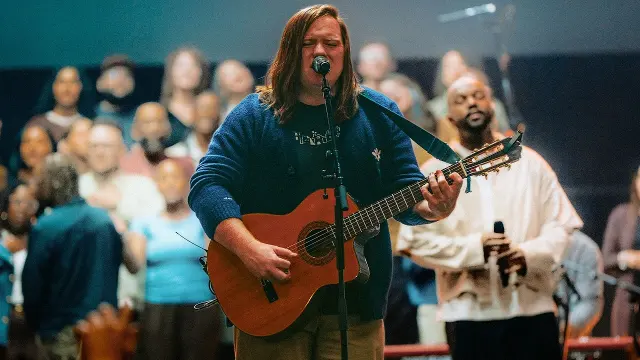 Your Name Is God Live Performance by Elevation Worship
 Keep On Live Performance by Elevation Worship
Get new #Gospel ideas by email
Every Thursday: the week's best ideas, with the newest from #Gospel.
Related tags
Gospel Music: Roots, Styles and Traditions
Gospel music is a broad tradition of sacred song rooted in Christian faith, worship, and testimony. It grew out of Black church life in the United States, shaped by spirituals, hymns, work songs, and call-and-response singing brought together in communities that used music for praise, comfort, and shared belief. Over time, gospel spread far beyond its earliest settings and became one of the most influential forms of religious music in the world.
What gospel music is
At its heart, gospel is music meant to express devotion, hope, gratitude, and trust in God. The lyrics often focus on salvation, faith, deliverance, praise, and perseverance through hardship. Gospel can be sung by a choir, a soloist, a congregation, or a small group, and it can sound joyful, reflective, powerful, or intimate.
The word “gospel” means “good news,” and that message is central to the style. Unlike a fixed musical formula, gospel is a living tradition with room for many voices, harmonies, and expressions of worship.
Read more
Main styles and forms
Gospel includes several related styles, and you’ll often hear them overlap:
- Traditional gospel: built on strong vocals, piano or organ, handclaps, and rich harmony
- Choir gospel: full group singing with layered parts and a powerful communal sound
- Contemporary gospel: blends gospel themes with modern arrangements and popular music influences
- Gospel blues and gospel soul: shaped by blues, soul, and rhythm-and-blues phrasing
- Worship music: slower, reflective songs designed for congregational singing and prayer
- Quartet gospel: close harmony singing, often with a classic, expressive style
Even when the sound changes, the emotional center usually stays the same: praise, testimony, and spiritual encouragement.
How gospel is performed
Gospel is known for its expressive delivery. Singers often use improvisation, repeated phrases, vocal runs, and dynamic changes to build intensity and emotion. A song may begin quietly and grow into a full, communal response. In many settings, the music invites participation rather than passive listening.
In church and concert settings alike, gospel often relies on:
- Strong lead vocals
- Supportive harmonies
- Call-and-response passages
- Rhythmic clapping or foot tapping
- Organ, piano, drums, and bass in many arrangements
What to know if you’re new to gospel
If you’re just starting to listen or sing gospel, begin with the message as much as the music. The lyrics matter deeply, and the performance style often reflects sincere personal belief. Don’t worry about knowing every term or tradition right away; gospel is best understood through listening and repeated exposure.
If you want to sing gospel, focus on:
- Clear, heartfelt delivery
- Breath control and steady phrasing
- Listening closely to harmony parts
- Singing with feeling, not just volume
- Respecting the song’s spiritual meaning
Why gospel matters
Gospel music has long been a source of strength, identity, and community. It has helped people celebrate faith, endure suffering, and express joy together. Whether you hear it in a church, choir rehearsal, home gathering, or concert hall, gospel remains a music of witness: personal, communal, and deeply human.
#Gospel: frequently asked questions
How do I get started listening to gospel music if I’m new to it?
Start with songs that clearly center on praise, gratitude, and faith, since the message is just as important as the sound. Listen for the call-and-response feel, strong vocals, and the way the music builds emotion through repetition and testimony.
What kind of gospel style should I choose for a church set or worship moment?
If you want something warm and communal, traditional or choir gospel works well because it brings strong harmony and group energy. For a quieter, reflective moment, worship-focused gospel is often a better fit because it leaves room for prayer and steady congregational singing.
What do I need to sing gospel well?
You mainly need a clear heart for the song, a strong sense of the lyrics, and the willingness to sing with feeling rather than just volume. Good breath control, steady phrasing, and listening closely to harmony parts can make a big difference.
How should gospel music be performed so it feels authentic?
Gospel is usually most effective when it feels sincere, expressive, and connected to the meaning of the words. Let the song breathe, use dynamics naturally, and allow space for response, harmony, and shared participation.
What are some common mistakes to avoid when performing gospel?
One common mistake is focusing only on vocal power and losing the spiritual message behind the song. It can also feel flat if the performance ignores the group sound, the rhythm of the lyrics, or the natural give-and-take that makes gospel feel alive.
Videos come from YouTube and posts from Instagram; titles and summaries are our own. All rights belong to their creators.