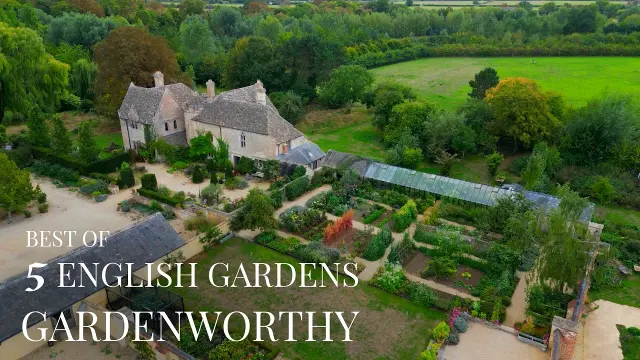
 Five Breathtaking English Cottage and Country Garden Tours
#Greenhouse
1 ideas
Five Breathtaking English Cottage and Country Garden Tours
Get new #Greenhouse ideas by email
Every Thursday: the week's best ideas, with the newest from #Greenhouse.
Related tags
Greenhouse Gardening: A Beginner's Guide
A greenhouse is a structure with transparent walls and a roof, built so that light gets in and heat stays put. The principle is simple: sunlight passes through glass or plastic, warms the soil, pots and paths inside, and the warmth that radiates back is trapped rather than lost to the wind. That modest bit of physics changes what you can grow, when you can grow it, and how much of a harvest you can coax out of a small garden.
Where the idea comes from
People have been growing plants under cover for centuries. The early versions were the ancestors of the modern greenhouse: sheltered courtyards in Roman villas for tender plants, glassed-orangeries attached to grand houses to keep citrus alive through cold winters, and the great glass buildings of the Victorian age, built to hold exotic collections from warmer parts of the world. Over time the technology shrank from a luxury for the wealthy to a modest structure in an ordinary back garden.
What a greenhouse is for
Read more
Most gardeners use one for a handful of practical jobs. It starts seeds early while the weather outside is still hostile. It shelters young plants as they harden off. It ripens tomatoes, peppers and cucumbers in a summer that would otherwise be too short. It overwinters pots of tender perennials that would not survive frost. And it gives a place for propagating from cuttings, along with a dry, sheltered spot for tools and potting on a rainy day.
The main kinds
The classic choices are the lean-to, built against an existing wall and therefore cheap in space but shaded on one side, and the freestanding house, which offers more light and even conditions. Materials matter too: glass lets through the most light and lasts, while polycarbonate is lighter, safer and better at holding warmth; polytunnels are cheap and roomy but temporary. Ridged, gabled and octagonal shapes are mostly aesthetic decisions, though a steep pitch helps snow slide off.
What beginners should know
Position matters more than size. Put the house where it catches sun for most of the day, ideally with the long side facing south in the northern hemisphere, clear of trees that cast shade. Make sure water is close and the ground is level.
Ventilation is the thing most new owners underestimate. A greenhouse with the door and roof vents shut on a sunny spring day can become hot enough to scorch plants within hours, so open up early and close down in the evening. Add some form of shading in high summer.
Water carefully and consistently; covered growing dries out fast, and plants in containers dry faster still. Keep the space clean and tidy, remove diseased leaves promptly, and give plants room to breathe.
#Greenhouse: frequently asked questions
How do I start with a greenhouse?
Start by choosing the sunniest, most level spot in your garden, ideally with water close by, since position matters far more than size. Begin with a modest structure and a few easy crops so you can learn how the light, heat and watering behave through a season. Once you understand your site, you can expand or upgrade with confidence.
Which type of greenhouse should I choose?
A lean-to saves space by borrowing an existing wall but stays shaded on the wall side, while a freestanding house gives more even light and better airflow. Glass passes the most light and lasts longest, polycarbonate is lighter, safer and holds warmth better, and a polytunnel is the roomy budget option though it is temporary. Let your available ground and the amount of sun the spot gets decide the shape.
What do I need to set one up?
Beyond the structure itself, you need level ground, a nearby water supply and some way to open vents high and low so hot air can escape. Shading for the brightest weeks, staging or shelves for pots, and a couple of sturdy paths will make everyday use far easier. Plan ventilation and access before you build, because retrofitting them is awkward.
How do I look after a greenhouse through the year?
Keep it clean and uncluttered, clear out diseased leaves promptly and give plants room so air can move around them. Water regularly and consistently, since covered growing dries out quickly and pots dry even faster. In warm months open up early and close down in the evening, and add shading during the strongest summer sun.
What can I grow in one?
Most people use theirs to raise seeds early while the weather outside is still harsh, then to harden off young plants before they go out. It is also the place to ripen tomatoes, peppers and cucumbers in a short summer, overwinter tender pots, and take cuttings. A dry corner doubles as shelter for tools and potting on wet days.
What mistakes do new owners make?
The most common is underestimating ventilation: a closed house on a bright spring day can reach temperatures that scorch plants within hours. The second is poor siting, such as placing it where trees or a wall shade it for much of the day. The third is irregular watering, which covered growing punishes quickly.
Videos come from YouTube and posts from Instagram; titles and summaries are our own. All rights belong to their creators.