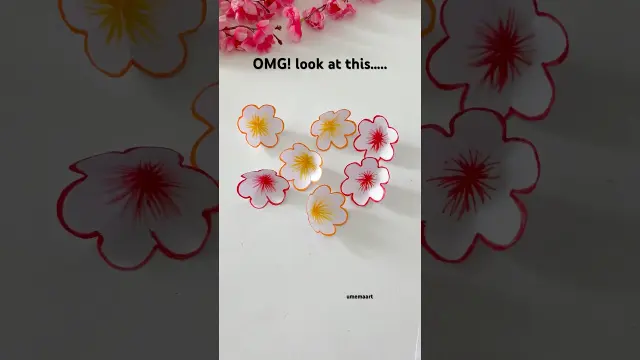
 DIY Pop-Up Flower Greeting Card Tutorial
#Greeting Card
1 ideas
DIY Pop-Up Flower Greeting Card Tutorial
Get new #Greeting Card ideas by email
Every Thursday: the week's best ideas, with the newest from #Greeting Card.
Related tags
Greeting Card Ideas, Styles and How to Make Them
A greeting card is a folded piece of paper, card stock or similar material sent to mark an occasion or simply to say something to someone. It usually carries a printed or hand-drawn image on the front and a written message inside, and it arrives in an envelope. It is one of the simplest ways people have found to put a feeling into a physical object that can be kept, pinned up or tucked into a drawer for years.
Where the custom comes from
Sending written greetings is older than the manufactured card. People exchanged handwritten notes and printed sheets for holidays and family occasions long before cards were sold ready-made, and the idea of a decorated, folded card grew out of that habit as paper became cheaper and printing more common. Different countries developed their own traditions — New Year cards in East Asia, Christmas and Easter cards in Europe and the Americas, and cards for weddings, births and condolences nearly everywhere. What stayed constant is the purpose: a card marks a moment and shows that someone was thought of.
The main kinds of cards
Read more
Most cards fall into a few broad groups. Occasion cards cover birthdays, anniversaries, weddings, births, graduations and religious festivals. Seasonal cards follow the calendar of a particular culture. Relationship cards say the things people find hard to say out loud. Sympathy and get-well cards handle the harder moments, and blank cards exist precisely so that the sender supplies the reason.
Formats vary too. There are single folded cards, flat postcards, concertina or accordion folds, and elaborate pop-up constructions that stand open on a shelf. Pop-up cards work by cutting and folding a shape so that it rises when the card is opened — a technique worth learning, because a simple version needs only paper, scissors and glue.
Choosing a card
Think about the person before the design. A quiet, handwritten note usually means more than an ornate printed one, and a card that reflects a real shared interest reads as thoughtful rather than generic. If you are buying, check that the envelope fits, especially for unusually shaped cards, since odd sizes often need extra postage. If you are making one, keep the design simple: one clear idea executed well looks better than several competing ones.
Writing the message
Write by hand when you can, and use the recipient's name. A good message says why you are writing, adds one specific detail that belongs to that person, and closes warmly. Avoid filling the whole card with generic wishes; two honest sentences are enough. For sympathy cards, keep it plain and sincere — acknowledge the loss, offer something concrete, and do not try to explain it.
Practical tips for making cards
Choose card stock heavy enough to stand up when folded but light enough to fold cleanly; score the fold line before creasing it so the paper does not crack. Work on a scrap copy first when you are planning a pop-up, and keep your cuts inside the fold. Let glue dry flat under a weight to prevent curling. Finally, make the envelope before decorating the card, so you know exactly what size you are working with.
#Greeting Card: frequently asked questions
How do I get started making a greeting card at home?
Start with the recipient and the occasion rather than with the design, then pick one simple idea you can carry off cleanly. Gather basic supplies — card stock, something to score and fold with, scissors, glue and a pen — and decide the card's size before you cut anything. Working out the envelope early keeps you from finishing a card that will not fit in anything.
What materials do I actually need to make a card?
You need card stock that is stiff enough to stand when folded but thin enough to crease without cracking, a scoring tool to press the fold line, a bone folder or ruler, sharp scissors or a craft knife, and a glue stick or white glue. A pencil and scrap paper are worth having for planning, especially for anything with moving parts. Decorative extras are optional; the card itself only needs paper, a fold and a message.
How do I choose the right card for someone?
Think about the person before you look at designs, because a card that reflects a real shared interest or an inside detail feels thoughtful rather than generic. A quiet handwritten note usually lands better than an ornate printed one, so let the relationship set the tone. If you are buying, check the envelope size matches, since unusually shaped cards can be awkward to post.
What should I write inside so it doesn't sound generic?
Write by hand where you can, use the person's name, and say plainly why you are writing. Add one specific detail that belongs only to them — something you did together, something they are going through, something you noticed — and close warmly. Filling the whole card with stock wishes usually reads as thinner than a short, honest message.
What is the most common mistake people make with pop-up cards?
Cutting through the fold line is the usual one, which makes the mechanism collapse instead of rising; keep every cut inside the fold and plan the shape on a scrap copy first. Gluing the whole thing flat under a weight while it dries prevents the paper from curling. It also helps to build the envelope before decorating, so you know exactly what size you are working with.
How should I store cards I want to keep?
Keep them flat and dry, away from damp rooms and direct sunlight, which fades inks and warps card stock. A shallow box or a folder keeps them from bending, and interleaving fragile or embellished cards with tissue stops them from catching on each other. Pop-up cards are best stored open-flat or in a box deep enough that the folded structure is not crushed.
Videos come from YouTube and posts from Instagram; titles and summaries are our own. All rights belong to their creators.