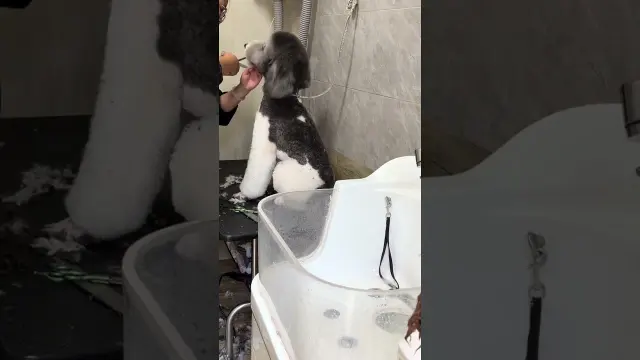
 The Magic of Scissors in Professional Pet Styling
#Grooming Tutorial
2 ideas
The Magic of Scissors in Professional Pet Styling
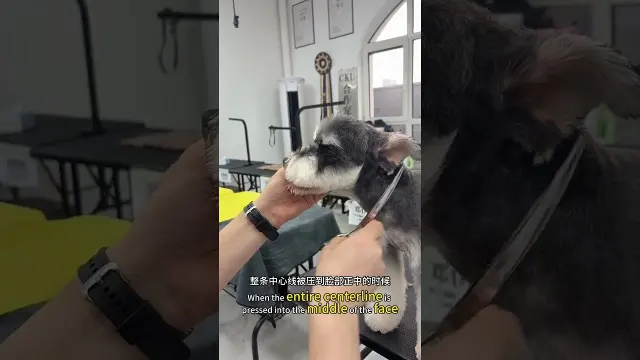 Master the Art of Pet Grooming in Just Three Steps
Get new #Grooming Tutorial ideas by email
Every Thursday: the week's best ideas, with the newest from #Grooming Tutorial.
Related tags
Pet Grooming Tutorial for Beginners
Pet grooming is the regular care of a pet’s coat, skin, nails, ears, and overall cleanliness. For many people, it is part of everyday care; for others, it becomes a more detailed routine that helps keep a pet comfortable, tidy, and easy to manage. Grooming is not only about appearance. It can help remove loose hair, prevent tangles, reduce dirt buildup, and give you a chance to notice changes in the coat or skin early.
What grooming usually includes
A basic grooming routine often includes brushing, bathing when needed, drying, nail care, ear cleaning, and trimming around sensitive areas if appropriate for the breed and coat type. Some pets also need coat clipping or shaping, especially if their hair grows continuously or becomes easily matted. Short-coated pets usually need less trimming, but they still benefit from brushing and regular checks.
Grooming needs vary widely depending on breed, coat texture, age, and activity level. A long, silky coat needs different care from a dense double coat or a short, smooth coat. If you are unsure what your pet needs, it helps to learn the coat type first, then build a routine around it.
Read more
Common grooming techniques
Brushing is often the first step. It helps remove loose hair, spread natural oils through the coat, and stop tangles from turning into mats. Work gently and patiently, especially around the legs, belly, ears, and tail.
Bathing should be done only as needed, using products made for pets. Too much washing can strip the coat of natural oils. After bathing, drying thoroughly is important, especially for long or thick coats.
Trimming around the paws, face, and sanitary areas may help with cleanliness and comfort, but it should be done carefully. Nail trimming is another important part of grooming, since overgrown nails can make walking uncomfortable. Ear care should always be gentle; never clean too deeply.
What beginners should know
Start slowly and keep sessions short. A calm routine is usually better than trying to do everything at once. Let your pet get used to the tools before you begin, and reward calm behavior with praise and breaks. If your pet is nervous, handle one small area at a time.
Choose the right tools for the coat type. A brush that works well for one animal may be too harsh or too light for another. Keep tools clean, and check them often for wear.
Practical tips for a safe routine
- Brush before bathing to remove knots first.
- Check for mats behind the ears, under the legs, and near the tail.
- Use lukewarm water and rinse well.
- Dry the coat fully to help prevent discomfort.
- Trim carefully, or ask a professional if you are unsure.
- Watch for skin redness, soreness, parasites, or unusual shedding.
A good grooming routine takes patience and practice. With regular care, you can help your pet stay comfortable, clean, and easier to handle, while also making grooming a calmer experience for both of you.
Videos come from YouTube and posts from Instagram; titles and summaries are our own. All rights belong to their creators.