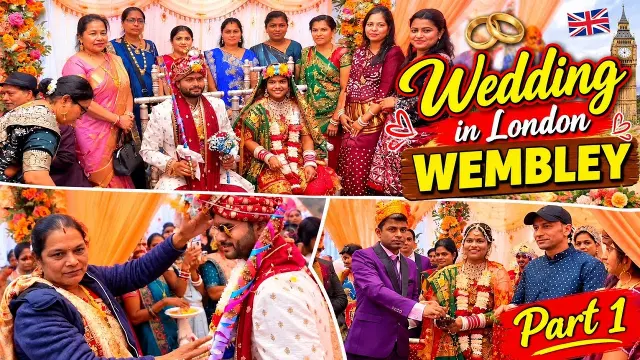
 Traditional Indian Wedding Celebrations in London
#Gujarati Wedding
1 ideas
Traditional Indian Wedding Celebrations in London
Get new #Gujarati Wedding ideas by email
Every Thursday: the week's best ideas, with the newest from #Gujarati Wedding.
Related tags
Gujarati Wedding Traditions: A Complete Guide
A Gujarati wedding is a Hindu ceremony shaped by the traditions of Gujarat, the western Indian state on the Arabian Sea. It is a community affair rather than a private event: families, neighbours and friends take part over several days, and hospitality is treated as a duty as much as a pleasure. The rituals vary from one community and family to the next — some households are strict about every step, others keep only the essentials — but the broad shape of the celebration is widely shared.
Before the wedding
Preparations begin long before the ceremony itself. A prayers-and-blessings gathering is often held at home to ask for a smooth path ahead. The grah shanti and mandvo rituals mark the formal beginning of the wedding period, and the haldi ceremony sees turmeric paste applied to the bride and groom by relatives, sometimes in a light-hearted, playful way. The mameru is the gift brought by the maternal uncle of the bride, a custom that underlines how much the mother's family is honoured.
The garba and dandiya raas are the musical heart of Gujarati celebrations. Garba is a circular dance performed around a central lamp or shrine, and dandiya raas is danced with sticks. Both are performed at weddings as well as at Navratri, and guests are usually welcomed onto the floor regardless of skill.
Read more
The ceremony
The wedding proper often takes place under a mandap decorated with fabric and flowers. The groom's arrival, sometimes on horseback or in a decorated car, leads into the garland exchange. Key moments include the kanyadaan, the giving of the bride, and the tying of the knot, after which the couple walk around the sacred fire. The saptapadi — seven steps, each with its own promise — is the point at which the marriage is considered complete. A Gujarati ceremony is often shorter and less elaborate than some other regional Indian weddings, though this varies greatly by family.
Clothes and food
Brides commonly wear a panetar or a gharchola, both traditionally in red and white, often with a richly embroidered border. Grooms typically wear a sherwani or a kurta with a turban. Guests should dress modestly and cover their heads in temples or at religious moments. Food is vegetarian in most Gujarati households and is often served on a banana leaf or in a thali: a sweet-savoury balance of dal, rice, rotli, shaak and a dessert such as shrikhand.
Practical advice
If you are invited, arrive on time for the ceremony but expect the schedule to flex. Ask before taking photographs, especially during rituals. Gifts are usually given in cash in an envelope, but close family often choose jewellery or household items instead. Attending the garba is a genuine part of the experience — join in, and don't worry about getting the steps perfect.
#Gujarati Wedding: frequently asked questions
How do I start planning a Gujarati wedding?
Begin with the family, because a Gujarati wedding is a community event rather than a private one. Households often hold a prayers-and-blessings gathering at home early on, and the grah shanti and mandvo rituals formally open the wedding period. From there, talk through with both families which rituals they want to keep, since customs differ greatly from one community to the next.
Which rituals make up the ceremony itself?
The wedding usually takes place under a mandap decorated with fabric and flowers, opening with the groom's arrival and the exchange of garlands. The kanyadaan and the tying of the knot lead into the couple walking around the sacred fire, and the saptapadi — the steps each carrying its own promise — is when the marriage is considered complete. A Gujarati ceremony tends to be shorter than many other regional Indian weddings, though families vary.
What should I wear as a guest?
Dress modestly and choose something festive but restrained, since the focus belongs to the couple and their families. Cover your head in temples and during religious moments. If you are attending the garba or dandiya raas, pick clothing you can comfortably move and dance in.
What happens at the pre-wedding celebrations?
The haldi ceremony, where relatives apply turmeric paste to the bride and groom, is often playful and informal. The mameru, a gift brought by the bride's maternal uncle, honours the mother's family. Garba and dandiya raas usually fill the evenings, and guests are welcome on the floor whatever their skill level.
What food is served, and what gift should I bring?
Food is vegetarian in most Gujarati households, served on a banana leaf or in a thali with a balance of dal, rice, rotli, shaak and a sweet such as shrikhand. For gifts, cash in an envelope is the usual choice, while close family often give jewellery or household items instead.
What mistakes do guests commonly make?
Arriving late is a misunderstanding of how the day works — be on time for the ceremony but expect the schedule to flex. Taking photographs during rituals without asking first is another easy slip, so ask before you raise a camera. Treating the garba as a spectator event is the last one: joining in matters far more than getting the steps right.
Videos come from YouTube and posts from Instagram; titles and summaries are our own. All rights belong to their creators.