 Soft Glam Makeup Inspiration
#Hair
2 ideas
Soft Glam Makeup Inspiration
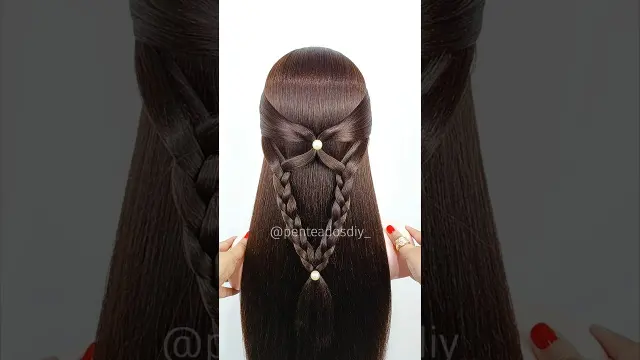 Easy and elegant braided hairstyle tutorial
Get new #Hair ideas by email
Every Thursday: the week's best ideas, with the newest from #Hair.
Related tags
Hair Care and Styling Guide
What hair is and why it matters
Hair is a natural part of the human body that grows from follicles in the skin. It can serve practical purposes, such as protection and warmth, but it is also an important part of personal style and identity. People have cared for, cut, shaped, braided, and decorated hair for centuries, and almost every culture has its own traditions around hair care and styling.
Hair differs from person to person in texture, density, length, curl pattern, and oiliness. Some hair is straight and smooth, some is wavy, curly, or coily, and some is fine while other hair is thick or coarse. Understanding your own hair type makes it much easier to care for and style it well.
Common hair types and styles
Read more
Hair is often described by its texture and shape:
- Straight hair tends to lie flat and can show oil quickly.
- Wavy hair has a loose bend and often benefits from light, gentle styling.
- Curly hair forms defined curls or ringlets and usually needs moisture and careful handling.
- Coily or tightly curled hair can be delicate and often does best with protective styling and rich conditioning.
There are many ways to wear hair, from simple loose styles to ponytails, buns, braids, twists, and updos. Haircuts can be long, short, layered, blunt, or shaped to frame the face. The best style is usually one that suits your hair texture, your routine, and the amount of time you want to spend on it.
Basic hair care
Healthy-looking hair starts with a simple routine. Cleanse your scalp regularly, but not so often that your hair feels stripped or dry. Use conditioner to help soften the strands and make detangling easier. If your hair is prone to dryness, a leave-in product or hair oil can help seal in moisture.
A few helpful habits include:
- Detangle gently, starting from the ends and working upward.
- Use a wide-tooth comb or your fingers when hair is wet and fragile.
- Avoid pulling hair too tightly, especially at the hairline.
- Trim split ends as needed to keep hair looking neat.
- Protect hair from rough friction by using a soft towel or a gentle fabric wrap.
Heat styling can be useful, but frequent high heat may leave hair dry or brittle. If you use heat tools, keep the temperature moderate and always use caution.
Styling tips for beginners
If you are new to styling hair, start with simple looks that work with your natural texture rather than against it. A braid, low bun, half-up style, or loose waves can be elegant and easy to manage. Sectioning the hair can make styling more organized, especially when braiding or curling.
When choosing products, keep your routine simple at first. Too many products can weigh hair down or make it harder to learn what actually works. Pay attention to how your hair responds after washing, drying, and styling, and adjust slowly.
A few things to remember
- Healthy hair is not the same for everyone.
- Gentle care usually works better than harsh handling.
- Consistency matters more than using many products.
- The best hair routine is one you can maintain comfortably.
With a little attention and patience, hair can be easy to care for and enjoyable to style.
#Hair: frequently asked questions
How do I figure out what my hair type actually is?
Start by noticing how your hair behaves when it is clean and left to dry without styling: whether it falls flat, bends loosely, forms curls, or coils tightly, and whether it feels fine or coarse between your fingers. Texture, density, and how much oil your scalp produces all matter, and they don't always match each other. Once you know your pattern, matching your routine and styles to it takes far less guesswork.
What do I need to start styling my hair if I've never really done it before?
You really only need a gentle cleanser, a conditioner, and something to detangle with, plus a comb or your fingers and a soft towel or wrap for drying. Add one styling product…uying a whole shelf at once, since a crowded routine makes it hard to tell what is actually helping. A simple braid, low bun, or half-up style is a good first project because it works with most textures.
Should I wash my hair every day?
Not necessarily, and for many people daily washing leaves hair feeling stripped and dry, though straight hair that shows oil quickly may want it more often. Watch how your scalp and strands feel between washes and space it out gradually if your hair seems dry or brittle. Cleansing the scalp is the point, so focus there rather than scrubbing the lengths aggressively.
How can I style my hair for a special occasion without damaging it?
Choose a look that works with your natural texture instead of fighting it, such as soft loose waves, a polished bun, or a braided style that holds shape well. If you use heat, keep the setting moderate, work in sections, and don't hold the tool in one spot too long. Avoid pulling too tightly at the hairline, especially if you want to wear the style for hours.
What are the most common mistakes people make when caring for their hair?
Rough detangling is the big one, since yanking through knots from the top down causes breakage, whereas starting at the ends and working upward is much gentler. Other frequent slips are overloading on products, styling wet hair with a fine brush when it is fragile, and tying styles so tightly that the hairline suffers. Trimming split ends and handling hair gently consistently beats any complicated routine.
Videos come from YouTube and posts from Instagram; titles and summaries are our own. All rights belong to their creators.