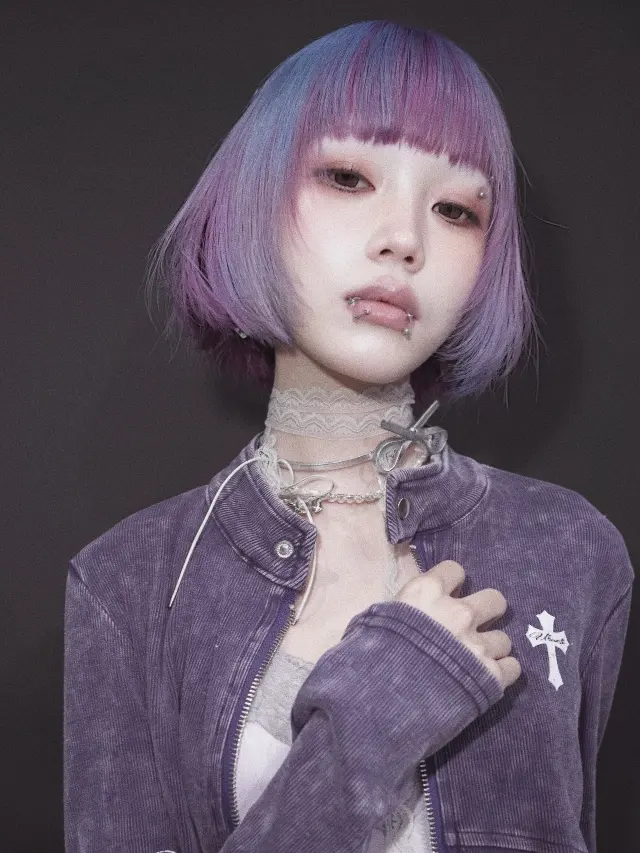
 Professional hair coloring and styling course demonstration
#Hair Design
1 ideas
Professional hair coloring and styling course demonstration
Get new #Hair Design ideas by email
Every Thursday: the week's best ideas, with the newest from #Hair Design.
Related tags
Hair Design Ideas and Techniques
What hair design means
Hair design is the art of shaping hair into a look that suits a person’s features, hair texture, and purpose. It can be simple and natural, or carefully structured for a special occasion. In everyday life, hair design includes cutting, colouring, styling, braiding, setting, and arranging the hair so it feels intentional and flattering.
This craft has roots in many cultures and traditions. Across history, people have used hair to show identity, status, creativity, and belonging. Today, hair design is part of both personal grooming and professional beauty work, and it ranges from practical haircutting to expressive artistic styling.
Common styles and approaches
Read more
Hair design can be as subtle or dramatic as you like. Some common approaches include:
- Clean, classic shapes that follow the natural fall of the hair
- Layered cuts that add movement and lightness
- Smooth blow-dried styles with soft volume
- Braided styles, twists, and updos for structure
- Curl-enhancing looks that define natural texture
- Sleek, polished styles with a controlled finish
- Creative shapes and finishes that make the hair a focal point
The best style usually depends on the hair’s thickness, length, texture, and growth pattern. A style that looks polished on one person may need adjusting on another, so good hair design always begins with observing the hair itself.
Techniques used in hair design
Hair design often combines several techniques. Cutting creates shape and balance. Sectioning helps keep the hair manageable and even. Heat styling can smooth, bend, or curl the hair, while setting methods help hold a shape for longer. Braiding and pinning are useful for building detail and structure without heat. Colouring can also be part of hair design when it is used to add depth, contrast, or softness.
If you are learning, start with the basics: clean sectioning, even tension, and a clear idea of the final shape. These small habits make a big difference. Patience matters more than speed at first.
Practical tips for beginners
Good hair design starts with preparation.
- Work on clean, detangled hair when possible
- Use tools that suit the hair type and the style you want
- Keep sections neat so the shape stays balanced
- Start with simple styles before moving to more complex ones
- Pay attention to the hair’s natural texture instead of fighting it
- Protect the hair from unnecessary pulling, heat, or rough handling
It also helps to think about the whole look, not just the hairstyle itself. Face shape, neckline, clothing, and the occasion all influence what feels right. A successful design should look comfortable as well as attractive.
A lasting creative skill
Hair design is both technical and creative. With practice, you learn how to create shape, softness, movement, and polish in a way that feels personal. Whether you prefer everyday styling or more elaborate arrangements, the basics stay the same: understand the hair, work carefully, and choose a finish that suits the person wearing it.
Videos come from YouTube and posts from Instagram; titles and summaries are our own. All rights belong to their creators.