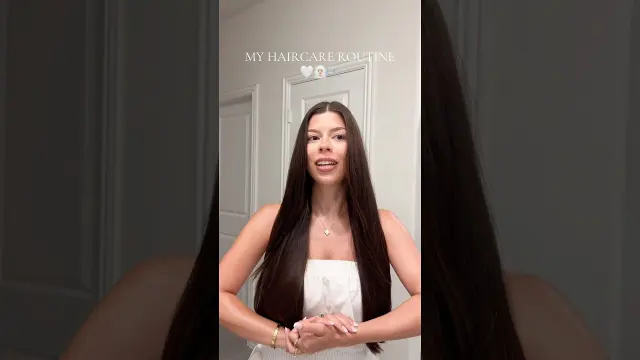
 Aesthetic Step by Step Hair Wash Day Routine for Healthy Hair
#Hair Routine
17 ideas
Aesthetic Step by Step Hair Wash Day Routine for Healthy Hair
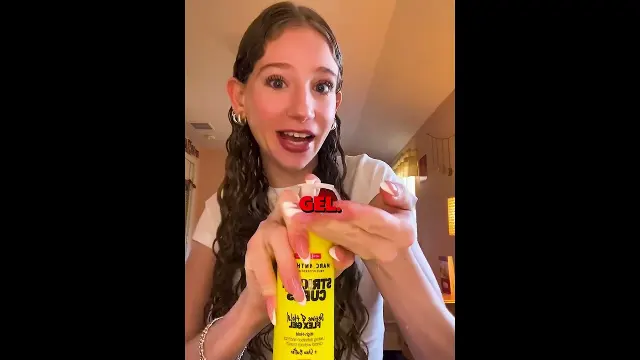 Detailed Daily Curly Hair Routine
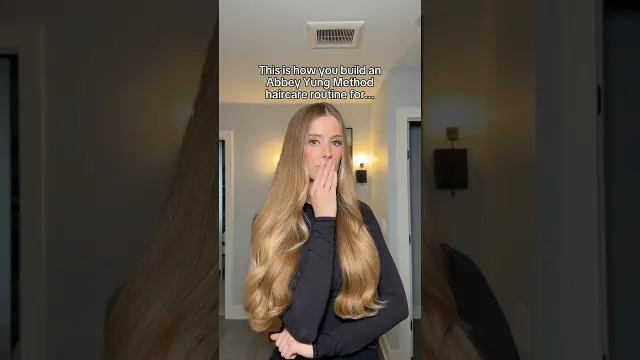 How to Build an Abbey Yung Method Haircare Routine in Four Steps
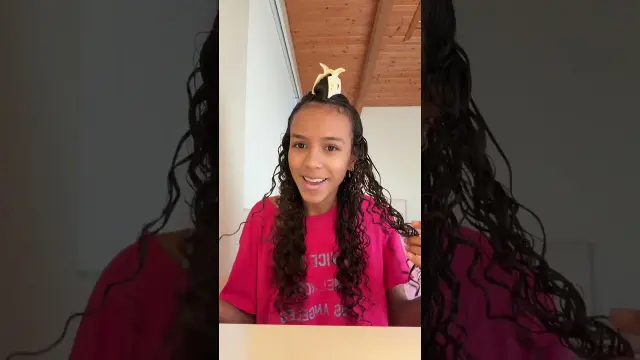 Step by Step Updated Curly Hair Routine
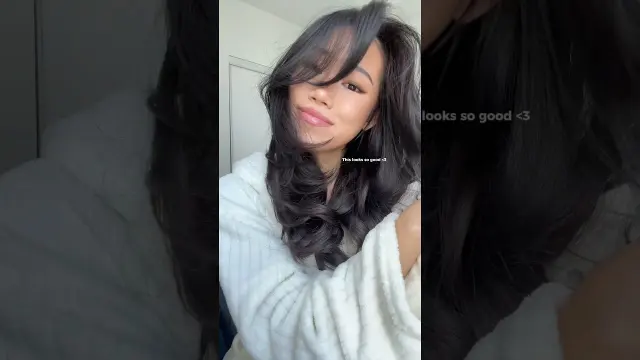 Trying an overnight blowout method for fresh salon style hair
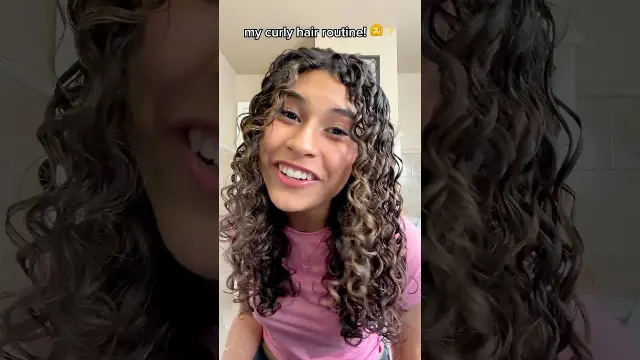 Personal Step by Step Curly Hair Routine
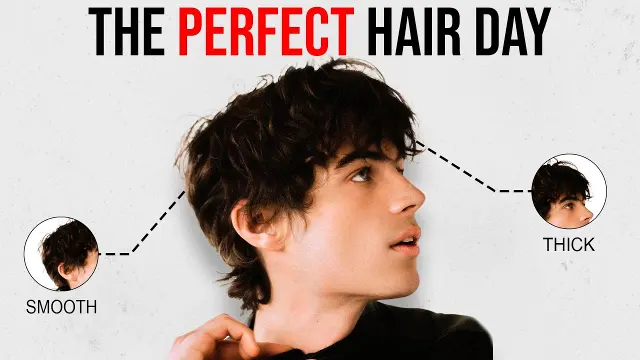 Simple Daily Hair Care Routine for Men with All Hair Types
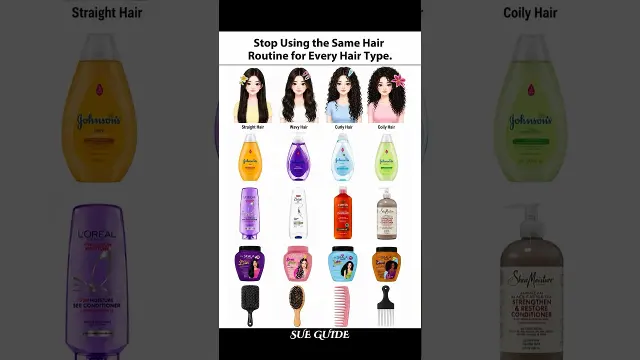 Hair Care Guide to Finding the Right Routine for Your Hair Type
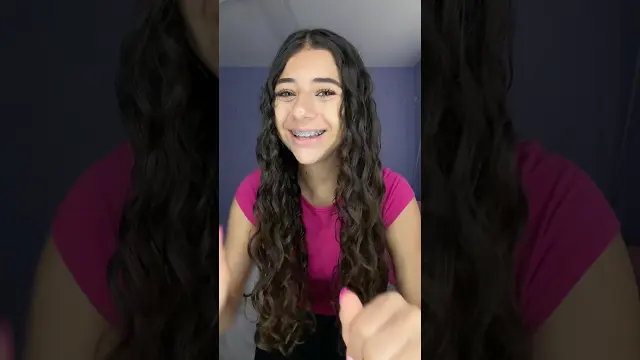 Updated Curly and Wavy Hair Routine Using Multiple Brand Products
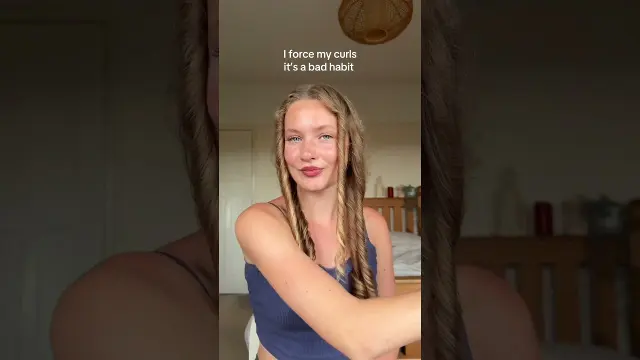 Quick and Easy Lazy Girl Curly Hair Routine
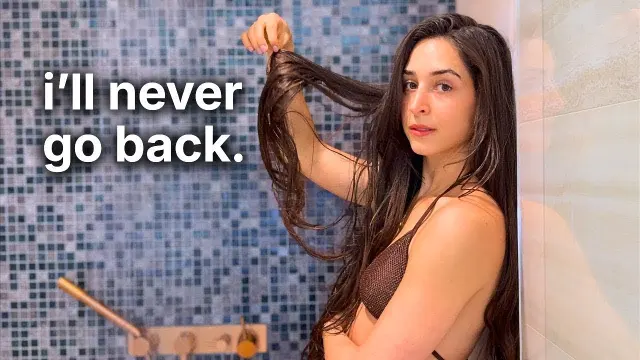 Seven Unexpected Products and Habits That Improved My Hair
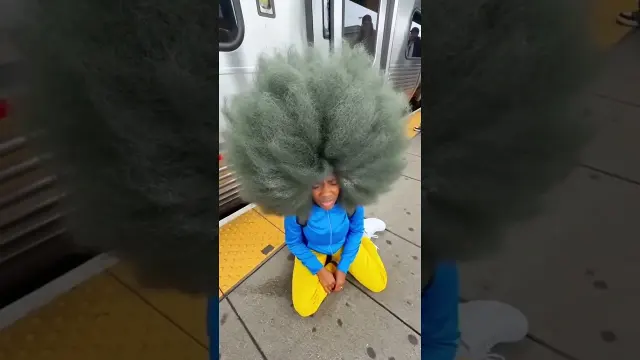 Simplifying Your Morning Hair Care Routine
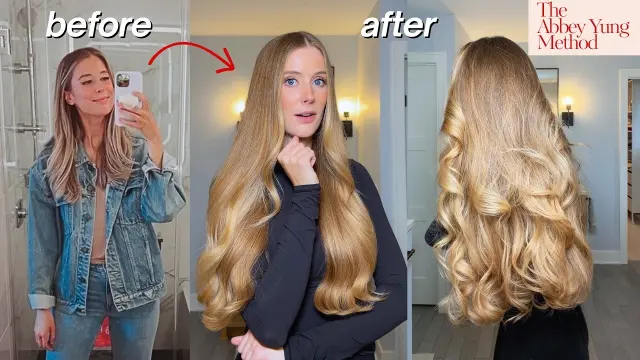 The Ultimate Hair Care Routine for Long Healthy Hair
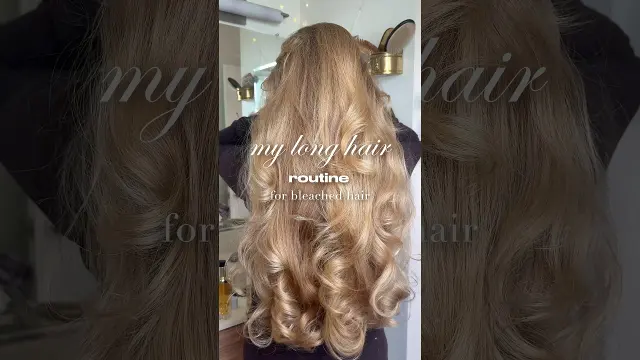 Long Bleached Hair Care Routine and Tips
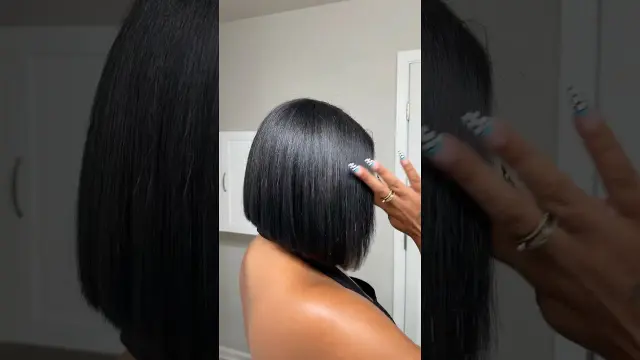 Complete Silk Press Hair Routine Using Olaplex
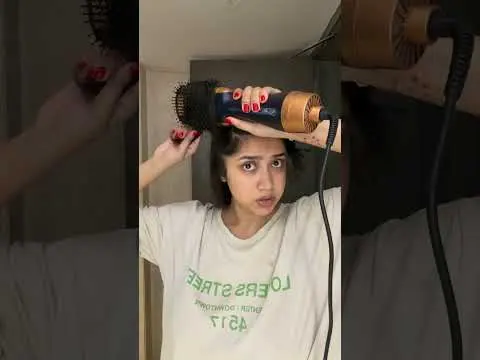 An Updated Hair Care Routine with Bond Repair
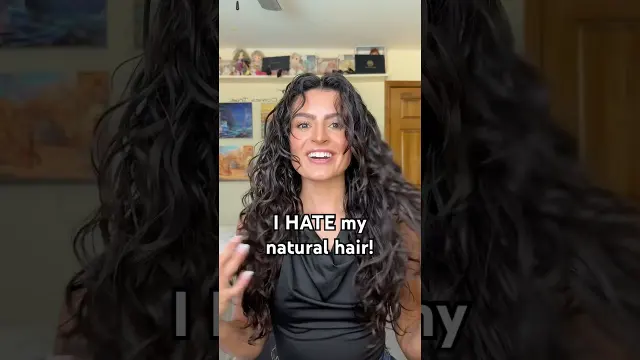 An Updated Wavy Hair Care Routine
Get new #Hair Routine ideas by email
Every Thursday: the week's best ideas, with the newest from #Hair Routine.
Related tags
Hair Care Routine Basics
A hair care routine is the regular set of steps you use to keep your hair clean, manageable, and in good condition. It can be as simple or as detailed as your hair needs. Some people wash and style their hair in a few minutes; others follow a longer routine for curls, waves, or chemically treated hair. The best routine is one you can repeat consistently.
What a hair routine is for
A good routine helps you handle the most common hair concerns: dryness, frizz, tangles, breakage, oiliness, and lack of shape. It also makes styling easier because you are working with hair that has been cleaned, conditioned, and protected in a predictable way. Your routine does not need many products. What matters most is matching your steps to your hair type, texture, scalp condition, and daily habits.
The main parts of a routine
Read more
Most hair routines include some version of these steps:
- Cleansing: shampoo or a gentle cleanser removes dirt, sweat, product buildup, and excess oil.
- Conditioning: conditioner helps soften the hair, improve slip, and make detangling easier.
- Detangling: using fingers, a wide-tooth comb, or a brush on wet or damp hair can reduce tugging.
- Styling: creams, gels, mousses, oils, or leave-in products may help define, smooth, or hold the hair.
- Drying: air-drying or using heat carefully can affect shine, frizz, and hair health.
- Protecting: satin or silk pillowcases, loose styles, and gentle handling can help reduce friction.
Common routine types
Your routine will usually reflect your hair’s texture and needs. Straight hair may need lighter cleansing and less product. Wavy hair often benefits from gentle cleansing and lightweight styling. Curly and coily hair usually need more moisture, careful detangling, and more protection from friction and dryness. Fine hair can be weighed down easily, while thicker hair may need richer conditioners or more time to dry.
Tips for beginners
If you are building a routine from scratch, start small. Pick one shampoo, one conditioner, and one styling step that suits your hair. Then adjust slowly as you learn what your hair likes.
- Wash less or more often based on how your scalp feels, not on a fixed rule.
- Condition every time you shampoo if your hair tends to feel dry.
- Use less product than you think at first, then build up if needed.
- Detangle gently when hair has enough slip.
- Be careful with heat, and use it only when needed.
- Pay attention to the ends of your hair, which are usually the driest part.
Keeping it simple and consistent
A routine works best when it fits real life. You do not need a long list of steps or special techniques to care for your hair well. A simple, repeatable routine can be just as effective as a more detailed one. Over time, you will notice patterns: what makes your hair softer, what causes frizz, what helps it hold style, and what leaves it feeling heavy or dry.
Hair care is personal, so give yourself time to learn. A thoughtful routine is less about perfection and more about understanding your hair and treating it gently.
Videos come from YouTube and posts from Instagram; titles and summaries are our own. All rights belong to their creators.