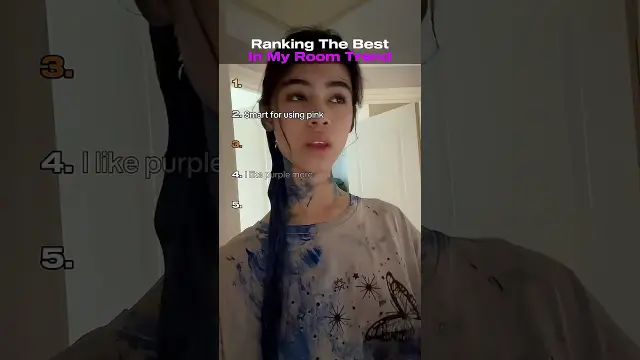
 Ranking in my room hair dye color reveals
#Hair Transition
2 ideas
Ranking in my room hair dye color reveals
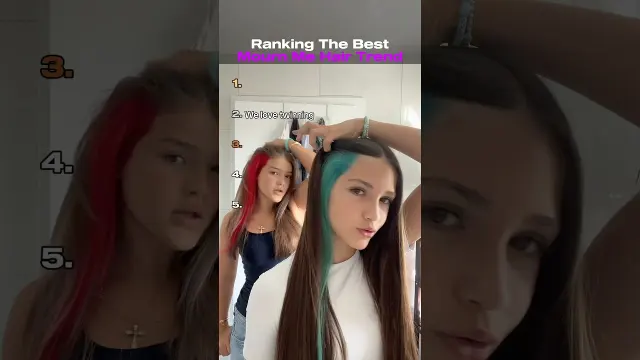 Ranking mourn me hair dye transition trends
Get new #Hair Transition ideas by email
Every Thursday: the week's best ideas, with the newest from #Hair Transition.
Related tags
Hair Transition: A Gentle Guide to Changing Your Colour
A hair transition is the stretch of time between the hair you have now and the hair you want next. Sometimes it is a deliberate change of colour, sometimes it is the long walk back to your natural shade after years of dye, and sometimes it is a shift in texture or cut that happens gradually rather than in a single appointment. The word matters because it sets the right expectation: this is a process, not an event, and the in-between stage is part of it rather than a problem to be hurried through.
Why transitions take time
Hair grows slowly, so most transitions are measured in months and years rather than weeks. Colour sits inside the hair shaft, and lifting it out or waiting for it to leave means waiting for new growth to replace it. That is the whole reason a transition needs a plan: without one, the awkward middle stage tends to decide things for you.
The slow route
Read more
Growing dye or bleach out is the gentlest option for the hair itself, and the least comfortable for your patience. The usual approach is to let the natural colour come in and then soften the boundary between old and new, rather than letting a hard line build up around the ears and parting. Trimming a little as you go keeps the ends from looking thin and tired. Some people use temporary colour or a gentle deposit dye on the older lengths to close the gap between the two tones while the natural shade catches up.
The quick route
Cutting the coloured hair away, all at once or in stages, is faster and simpler, and it asks more of you emotionally. A staged version, where you take off more each visit, tends to feel less drastic than a single big change. Whichever you choose, decide before you sit in the chair how much you are willing to lose, and say it out loud.
Making the in-between look intentional
Blending is where a transition stops looking accidental. Adding a few fine, lighter or darker pieces around the face, or shifting the overall tone so the old and new colours meet somewhere in the middle, can turn a grow-out into something that reads as a choice. Ask for a tone that suits your skin and your natural colour rather than chasing a shade you saw on someone else.
Caring for hair mid-transition
Coloured hair and natural hair often need different things at the same time. Keep up regular conditioning, be sparing with heat styling, and protect your hair from sun and chlorine. If your hair feels stretchy when wet, it may want protein; if it feels brittle and straw-like, it usually wants moisture instead. A stylist can tell the difference.
Before you start
Have a patch test before any new colour, do a strand test if you are working at home, and be honest about how much upkeep you are willing to do. A transition works best when it fits your life, not just your mood on the day.
#Hair Transition: frequently asked questions
How do I start a hair transition without regretting it?
Work backwards from the shade or texture you actually want, then choose the route that suits your patience and your willingness to maintain it. Have a patch test before any new colour and a strand test if you plan to work at home, and be honest with yourself about how much upkeep fits your real life.
Is it better to grow my colour out or cut it off?
Growing it out is gentlest on the hair but asks the most patience, since you are waiting for new growth to replace what is there. Cutting is quicker and simpler but harder emotionally, so many people stage it and remove a bit more at each visit. Either way, decide before the appointment how much length you are prepared to lose and say it clearly.
How do I stop the in-between stage from looking like I simply gave up?
The trick is blending: a few fine lighter or darker pieces near the face, or an overall tone that sits between the old colour and the new, make the grow-out read as deliberate. Choose a tone that flatters your skin and your natural colour rather than copying a shade you admired on someone else.
What does hair need while it is half coloured and half natural?
Those two sections often want opposite things, so regular conditioning plus a break from heat styling and protection from sun and chlorine covers most of it. If your hair feels stretchy when wet it may be asking for protein, while brittle, straw-like hair usually wants moisture; a stylist can help you tell which is which.
What is the most common mistake people make during a transition?
Choosing a plan that suits a mood rather than a routine: a look that needs frequent salon visits or daily styling rarely survives a busy month. The other frequent slip is leaving the decision vague, which lets the awkward middle stage choose the shape of your hair for you instead of the other way round.
Videos come from YouTube and posts from Instagram; titles and summaries are our own. All rights belong to their creators.