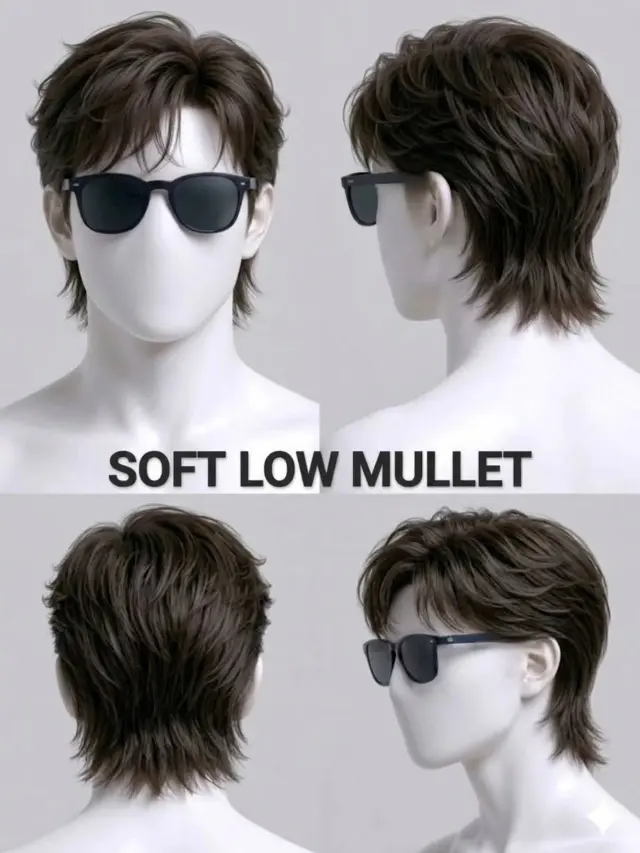
 Modern men's haircut styles with taper fade examples
#Haircut Styles
1 ideas
Modern men's haircut styles with taper fade examples
Get new #Haircut Styles ideas by email
Every Thursday: the week's best ideas, with the newest from #Haircut Styles.
Related tags
Haircut Styles: A Guide to Cuts, Shapes and Finishes
A haircut style is the shape a cut gives to the hair — the length it keeps, the way it falls, and the lines it creates around the face and neck. Two people can leave the same salon with the same cut and wear it quite differently, because hair type, growth pattern and the way someone styles at home all change how a shape reads. Understanding the basic building blocks makes it much easier to describe what you want and to recognise what will suit you.
What a cut is made of
Every haircut is a combination of a few decisions.
- Length: where the hair ends, at the perimeter and inside the shape.
- Layering: how much shorter the upper sections are than the lower ones. Layers add movement and remove weight.
- Texture: cutting with point-cutting, thinning or razoring to soften a line or encourage the hair to sit closer to the head.
- Lines: blunt, graduated or tapered edges, which decide how sharp or soft the outline looks.
- Parting and fringe: where the hair is divided and whether the front is left long, cut short or swept to one side.
Read more
Beginners often ask for a photo, which helps, but the more useful thing is to describe the parts: how long on top, how short at the sides, whether you want the neckline squared or tapered.
The main families of styles
Most cuts fall into a handful of broad groups. Short cuts sit close to the head and tend to be low-maintenance. Classic short-back-and-sides shapes keep length on top and taper at the edges. Bobs and one-length cuts follow a single line, often around the jaw or shoulders. Layered cuts, from shoulder-length to long, break up weight and give volume near the crown. Curly and coily hair is usually shaped dry or in its natural state, cutting curl by curl so the finished shape follows the pattern rather than fighting it. Fringes and face-framing pieces are additions rather than whole styles.
Practical advice before you sit down
Go with hair that is clean and, ideally, in the state you normally wear it — straight hair flattened by a ponytail behaves differently from hair that has just been washed and dried. Decide how much time you are honestly willing to spend styling; a cut that needs daily blow-drying is a poor choice for someone who wants to leave the house in five minutes. Bring a picture of the cut and of your own hair in a state you like. Ask what the cut will look like as it grows out, since the weeks between appointments matter as much as the day itself.
Looking after a cut
Regular trims keep a shape from collapsing; how often depends on the cut and how fast your hair grows. A gentle shampoo, a conditioner suited to your hair type, and a modest amount of styling product are usually enough. Heat styling works best on hair that is not soaking wet, and using a lower heat setting protects the fibre over time.
Finally, be wary of copying a look from someone with a very different hair type or face shape. A good cut is not a picture — it is a shape built around the head it sits on.
#Haircut Styles: frequently asked questions
How do I explain the haircut style I want to a stylist?
Instead of relying on a photo alone, describe the parts of the cut: how long you want the top, how short the sides, and whether you prefer the neckline squared off or tapered. Mentioning how you usually wear and style your hair at home helps the stylist judge what will actually work day to day.
How do I choose a haircut style that suits me?
Start with your hair type, growth pattern and face shape rather than with a picture of someone else's look. Think about the shape you want around the face and neck, and be realistic about how much styling time you're willing to give it. A cut that fights your natural texture will always be harder to wear than one that follows it.
What should I do before my appointment?
Arrive with clean hair in the state you normally wear it, since hair flattened by a ponytail behaves very differently from hair that's just been washed and dried. Bring a picture of the cut you like along with one of your own hair looking the way you want it to. It's also worth asking how the shape will look as it grows out.
How do I care for a haircut so it keeps its shape?
Regular trims are what stop a shape from collapsing, though how often you need one depends on the cut and how quickly your hair grows. A gentle shampoo, a conditioner suited to your hair type and a small amount of styling product are usually all it takes. When using heat, work on hair that isn't soaking wet and keep the setting low to protect the fibre over time.
What mistakes should I avoid when picking a haircut style?
The most common one is copying a look from someone with a completely different hair type or face shape, because the result won't sit the same way on you. Another is choosing a cut that demands daily styling when you want to be out the door quickly. Remember that a good cut is a shape built around your head, not a picture reproduced from someone else's.
Videos come from YouTube and posts from Instagram; titles and summaries are our own. All rights belong to their creators.